

Research on absenteeism often focuses on factors like unreliable transportation, overlooking what schools themselves can do to help kids maintain a steady attendance record.
Articles on Absenteeism
Displaying 1 - 20 of 28 articles
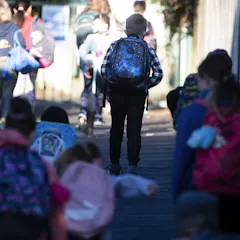
New attendance targets focus on getting children into class. But evidence suggests understanding why they are absent is the more important question.
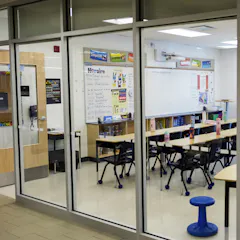
Systemic barriers, mental-health issues and insufficient school supports for students with disabilities are among the factors that affect absenteeism rates.

While federal immigrant agents need to produce a judicial warrant to enter a classroom, they can freely operate in public spaces at and around schools.

Detroit has one of the highest chronic absenteeism rates in the nation, which can have devastating effects on student success.

More preteen boys are struggling with behavioral issues, while more teen girls are experiencing anxiety and depression.

An Ohio law targeting student suspensions had a happy side effect. Requiring schools to use a positive approach to discipline reduced chronic absenteeism, study says.

Year 9 is often seen as a ‘lost year’, where a young person has left junior high school but is not yet a senior student.

Dancing boosts wellbeing and reduces absenteeism and presenteeism.

Health workers with relatives in positions of power were frequently absent from work.

About 10 million US children are chronically absent from school.

Shorter working weeks bring economic benefits but also boost employee wellbeing.
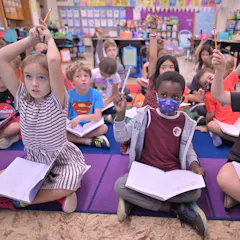
The numbers of students missing 15 days or more of school in a given year is on the rise in the US. Evidence shows certain approaches can get kids back in school and help them stay in class.

Research shows there can be profound business benefits to hiring people living with intellectual disability.

The problem with chronic absenteeism isn’t so much that kids are missing instruction time; it’s that unexcused absences may indicate crises at home, new research suggests.
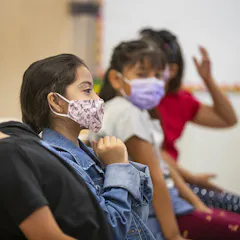
COVID-19 upended families’ morning routines. Getting kids back on schedule and sticking to it will help ease difficult transitions, a child psychologist explains.
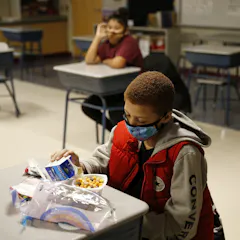
Chronic absenteeism is a pressing issue in high-poverty schools, but research suggests that serving students breakfast during class can help keep kids in school.

Changes to working life created by COVID-19 give employers an opportunity to embrace a caregiver-friendly work culture, supporting the millions of Canadians who juggle employment and informal caring.

The consequences of laws introduced into both the NSW and Tasmanian parliaments are anything but foreseeable.

Presenteeism — when employees show up for work when they’re sick — at a time of a global pandemic is especially dangerous for co-workers, managers and employers.
Top contributors
-

Associate Professor in Anthropology and Public Health, London School of Hygiene & Tropical Medicine
-
Professor of Health Economics and Policy and Pharmaco-economics/pharmaco-epidemiology in the Departments of Health Administration & Management and Pharmacology and Therapeutics, College of Medicine, University of Nigeria
-
Assistant Professor of Education Policy, The University of Texas at Austin
-
Lecturer, University of Nigeria
-
Professor in Health Systems and Policy, London School of Hygiene & Tropical Medicine
-
Associate Professor of Geography, University of Nottingham
-
Lecturer in the Department of Community Medicine, University of Nigeria
-
Professor of Education & Policy, Boston College
-
Researcher, Centro Brasileiro de Análise e Planejamento (CEBRAP); University of Johannesburg
-
Researcher at the Department of Social Work and the Health Policy Research Group, University of Nigeria, University of Nigeria
-
Research Coordinator in Health Promotion, University of British Columbia
-
Research associate at Health Policy Research Group, University of Nigeria
-
Professor in the Department of Economics, University of Nigeria
-
Professor, University of British Columbia
-
Associate Professor of Education, University of California, Santa Barbara