
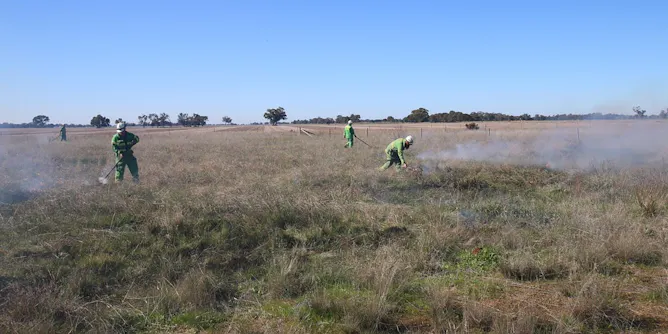
The Voice to Parliament could advise on how Aboriginal and Torres Strait Islander knowledges can help the country prepare for and lessen the damage of natural disasters such as bushfires.
Articles on Aboriginal and Torres Strait Islander peoples
Displaying 81 - 100 of 319 articles
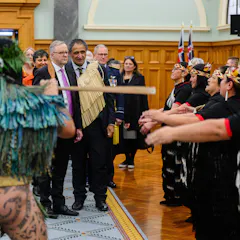
Despite the claim ‘there is no comparable constitutional body like this anywhere in the world’ many countries have similar institutions to the proposed Voice.

Aboriginal Elders play an important role as community leaders and cultural knowledge holders. Supporting this aspect of ageing well is crucial.
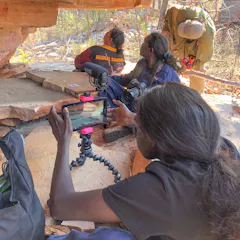
There are many programs where people can generate art using AI. However, this comes with a risk of non-Indigenous people generating Indigenous art, which negatively affects Indigenous artists.
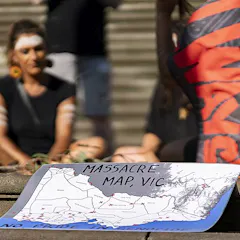
Truth-telling between First Nations and non-Indigenous people is a vital step in recognising past colonial wrongdoing. And research has found it is also a step towards self-determination and healing.
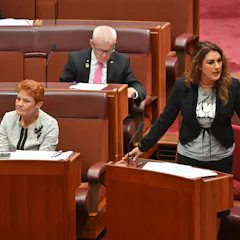
Conservatives and sections of the left are both advocating against the Voice, but for different reasons.
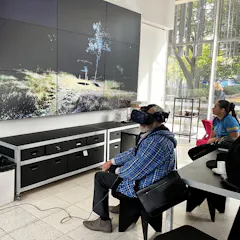
Olkola Traditional Owners are working with researchers to use digital technologies to see how story interweaves with Country. It also aims to bring Country to Olkola people who are unable to travel.
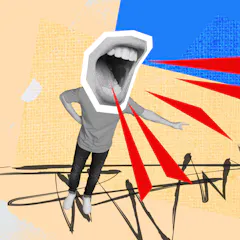
Since the Indigenous Voice to Parliament was announced, there has been an increase of hate speech and personal attacks. Hate speech and misinformation can cause physical and mental harm.
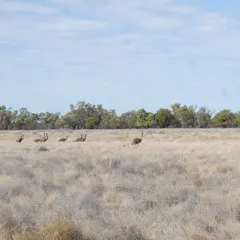
For many Indigenous peoples, fathers can include extended family. ‘Emu men’ explores a new way for Indigenous father roles to be recognised in a way that celebrates this.
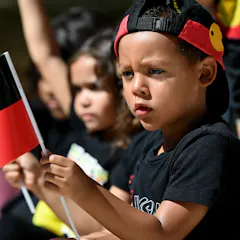
The last time the country voted in a referendum on Indigenous affairs was in 1967. Advocates for the ‘Voice to Parliament’ say it is the best way to remedy a long legacy of failed policies.
Our research finds at-risk youth in north Queensland wanted to feel safe and included in the community, but often felt the opposite.
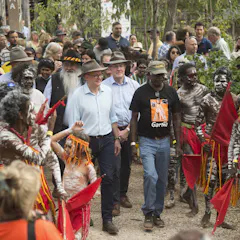
The Garma Festival has a long history of being a significant site for cultural celebration and political discussion. As we approach the referendum announcement, this brings much focus to the Voice.

Practices used in detention in Australia such as spithoods and solitary confinement could amount to torture, according to international law.
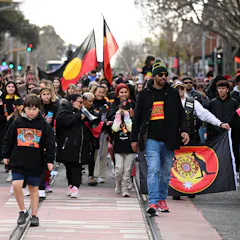
A Productivity Commission report released this week highlighted the continued lack of agency First Australians have - even though a comprehensive framework is already in place to try to Close the Gap
The ABS is exploring whether and how to ask questions on gender, sexual orientation, and variations of sex characteristics.
Aboriginal and Torres Strait Islander people who are also LGBTQIA+ are often not considered in research and policies. This can mean First Nations people have limited access services.
The broad-ranging criticism is contained in the commission’s first review of the 2020 “National Agreement on Closing the Gap”
The ‘yes/no’ pamphlets we’ve seen today and in past referendums may not be the most effective way of informing voters.
NAIDOC Week is a highlight for Indigenous peoples. It’s a celebration of Black excellence, culture, and survival. However, it’s important to recognise it’s very different from Reconciliation Week.

As the Voice referendum approaches, it is becoming more important to facilitate constructive and sensitive discussions. New research shows how to approach this.
Top contributors
-

Professor, Critical Indigenous Studies and Director of The Centre for Global Indigenous Futures, Macquarie University
-
Professorial Fellow, University of Canberra
-
Managing Director, Her Story Consulting & Postdoctoral fellow, Australian National University
-
Research Fellow in Disaster Resilience, Monash University
-
Director of Monash Indigenous Studies Centre, Chief Investigator for the Australian Research Council Centre of Excellence for the Elimination of Violence against Women (CEVAW), School of Philosophical, Historical & International Studies, School of Social Sciences (SOSS), Monash University
-
Associate Dean Education, Gnibi College, Southern Cross University
-
Professor, Australian and Aboriginal History, Faculty of Arts, Design and Architecture, Convenor: Indigenous Land & Justice Research Group, UNSW
-
Principal Research Fellow, James Cook University
-
Senior Lecturer of Indigenous Studies, Indigenous Education and Research Centre, James Cook University
-
Senior Lecturer in Law at the University of Queensland, The University of Queensland
-
Lecturer, Department of Indigenous Studies, Macquarie University
-
Lecturer, Griffith Law School, Griffith University
-
PhD Candidate, University of Technology Sydney
-
Research Fellow (Indigenous Diplomacy), Australian National University
-
Senior Lecturer in Education/Applied Linguistics, Curtin University