
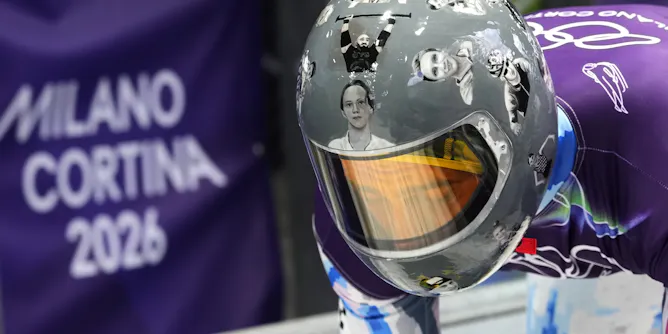
The IOC has failed, yet again, to be a global leader in the promotion of peace and human rights.
Articles on 2026 Winter Olympics
Displaying all articles
There are specific parts of the brain that trigger hesitation in times of uncertainty.
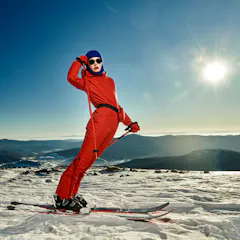
The image of skiing – both as a sport and leisure activity – has long held associations with glamour.
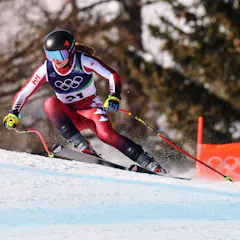
Heavy demands for energy and water risk locking ski resorts into a model that climate change will ultimately make unviable.
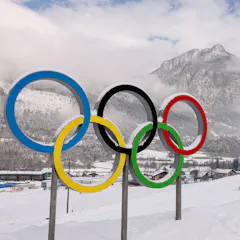
While physical exertion helps athletes stay warm, sweating can lead to dehydration.
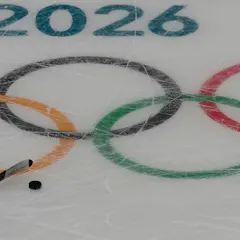
Athletes will use physics concepts such as friction and lift to their advantage on the world stage in the 2026 Olympic Games.
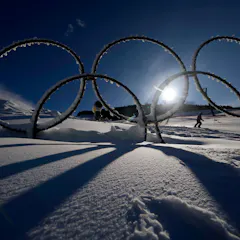
For the Winter Olympic and Paralympic Games, climate change poses a risk and could impact where the Games can be held in the future.
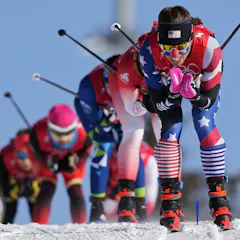
US Olympic skiers and scientists explain the sharp differences between natural snow and machine-made snow, from the science to the rising risk of crashes.
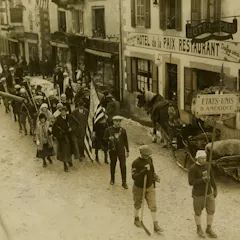
Despite being a foundational figure in American hockey, Taffy Abel – who hid his Ojibwe heritage so he could pass as white – has been largely erased from national memory.
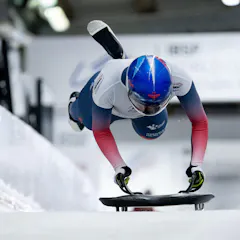
Medals can be won and lost by hundredths of seconds as athletes sprint away from the starting block.

Some of the most decisive moments in sport hinge on how athletes perceive, process and act on information in a matter of milliseconds.
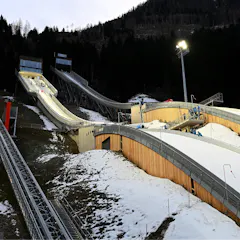
Innovations have made recent Winter Games possible, but the future climate will have a big impact on where the Olympics can be held and winter sports themselves.

While all Olympic athletes are expected to play and perform under pressure, Canada’s historical successes at the Winter Games have created heightened expectations.
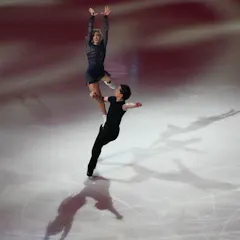
Watching, modeling and even playing winter sports help students internalize physics concepts, including acceleration, momentum and friction.
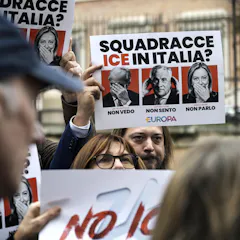
There’s growing friction between the US and its allies when it comes to sharing intelligence.
Top contributors
-

Principal Lecturer of Physics and Astronomy, Clemson University
-
Assistant Professor of Natural Resources, Colorado State University
-
Assistant Professor, Sport Management, Brock University
-
Professor of Snow Hydrology, Colorado State University
-
Postdoctoral Fellow, Faculty of Science, McMaster University
-
Professor of Communication and Journalism, University of Maine
-
Assistant Professor in Geography, Mountain Hydrology, and Climate Change, University of Colorado Boulder
-
Senior Lecturer in Sports Biomechanics, Centre for Health and Injury and Illness Prevention in Sport,, University of Bath
-
Graduate Student in Geography, University of Colorado Boulder
-
Associate Professor, Department of Public Finance, University of Innsbruck
-
Assistant Professor, Sport Ecology, University of Toronto
-
Senior Lecturer in the School of Psychology, University of Lincoln
-
Professor of Atmospheric Science, University of Utah
-
Professor and Strategic Director for Climate Change Education in Environment, University of Waterloo
-
Professor of Engineering Practice, Purdue University