
The housing bubble that burst and triggered the 2007-08 global financial crisis was fuelled by securitisation.
Articles on 2007-08 financial crisis
Displaying 41 - 60 of 80 articles
There were 6,566 more suicides in the 2008-09 period that were a direct consequence of the rapid decline of equity values.
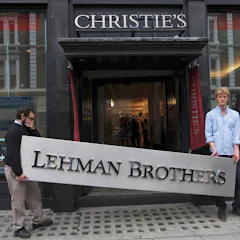
It’s when times are good that the seeds of the next financial crisis are sown.
In giving Dodd-Frank the Botox treatment, Congress misses the point of what’s wrong with financial regulation: It’s an old mess.
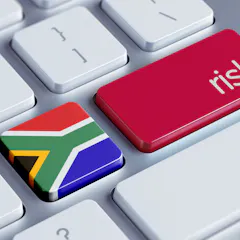
Instead of having a separate regulator just for banks, the new system creates one to prevent financial crises, the other to ensure good market conduct and consumer protection.
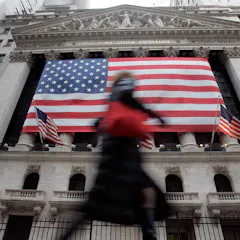
Single women borrowed heavily in the run-up to the financial crisis, ensuring they suffered the most in its fallout. Will history repeat itself?
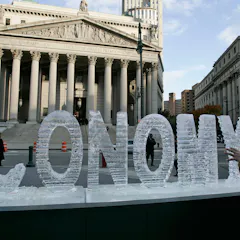
The collapse of an obscure corner of the financial market a decade ago foreshadowed the Great Recession. The stock-market swoon in February should offer a similar warning.
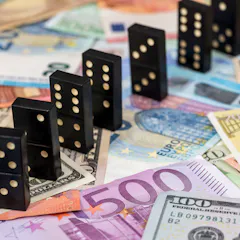
The 20 largest OECD countries alone have a US$78 trillion shortfall in their pensions obligations.
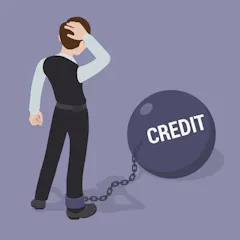
The UK and US may avoid another crash, but many other major economies look like they are on the brink.
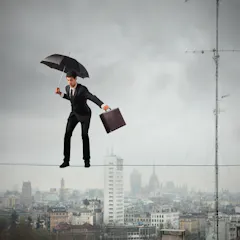
Banking used to be an engine of social mobility and a generator of secure, satisfying employment for the many gainfully employed in it.
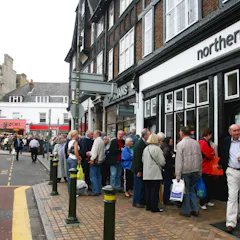
The 2007-08 financial crisis affected the world’s advanced economies in profound ways and the ripple effects continue to today.
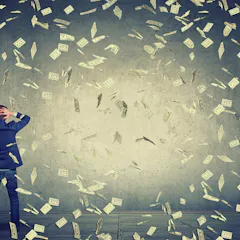
Recalling August 9 2007 – the start of the credit crunch and global financial crisis.
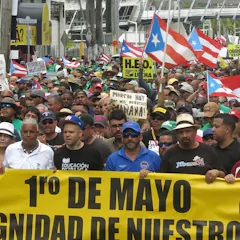
A year after Congress passed its plan to fix Puerto Rico’s US$123 billion debt and pension crisis, little has changed for the lives of Puerto Ricans.

The finance industry has developed a powerful set of tools over the years, which could be used to improve well-being and solve our environmental problems.
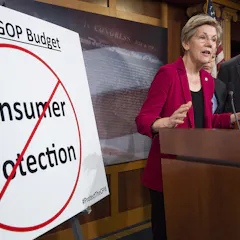
Republicans are hoping to eliminate or at least defang the only federal agency tasked solely with protecting consumers from financial abuses. What would we miss if they succeed?
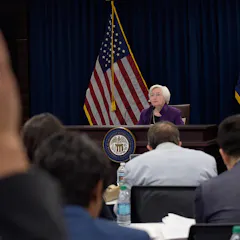
The Federal Reserve lifted rates for the second time this year and expects to do so once more, suggesting it’s fairly confident the economic recovery will continue. Is it overconfident?
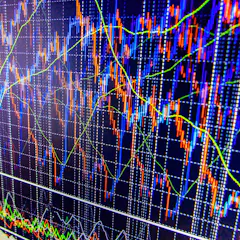
LIBOR continues to evoke irritation, frustration and fear – for traders, central bankers and the public.
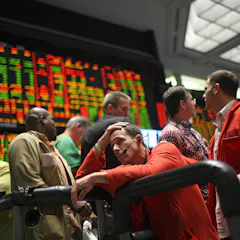
Instead, we need to burn the entire system of financial regulation to the ground and replace it with something that supports investing the way it’s done today.
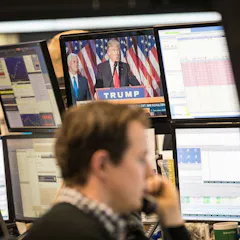
The fall of the Berlin wall was supposed to usher in ‘the end of history’, an eternal age of capitalist economics and liberal-democratic politics. It hasn’t turned out that way.
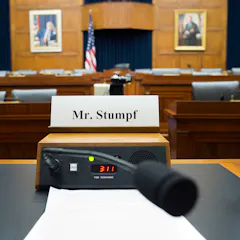
The bank’s recent scandal probably would never have happened had senior management only listened to Wells Fargo’s whistleblowers.
Top contributors
-

Head of Department of Economics, Finance & Accounting, Brunel University of London
-
Reader in Economics and Finance, University of Portsmouth
-
Professor of Law, St. Mary's University
-
Professor of Finance and Fred T. Tattersall Excellence in Finance Research Chair, West Virginia University
-
Professor of Law, University of Oregon
-
Professor of Finance, Washington University in St. Louis
-
Professor of Political Science, INSEAD
-
Associate Professor of Public Administration, West Virginia University
-
Professor, Université de Lorraine
-
Assistant Professor of Finance, New York University
-
Professor of Geography, Durham University
-
Économiste à l’Observatoire français des conjonctures économiques (OFCE), Sciences Po
-
Professor of Agricultural and Resource Economics, La Trobe University
-
Associate professor, University of Surrey
-
Professor of Agricultural and Regional Economics, Penn State