
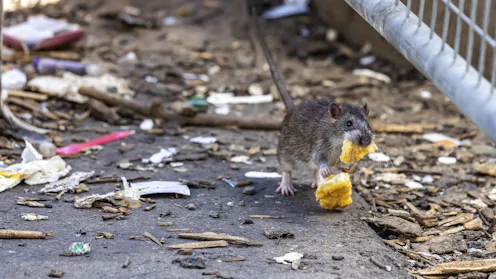
Weak surveillance and climate change could allow deadly hantaviruses to spread unnoticed across African countries, raising the risk of future outbreaks.
- Director of the Centre for Epidemic Response and Innovation (CERI) at Stellenbosch University and the KwaZulu-Natal Research Innovation and Sequencing Plaform (KRISP)., Stellenbosch University
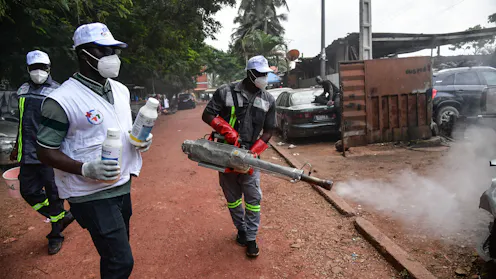
Climate-caused heat and floods help disease-carrying insects spread to new places.
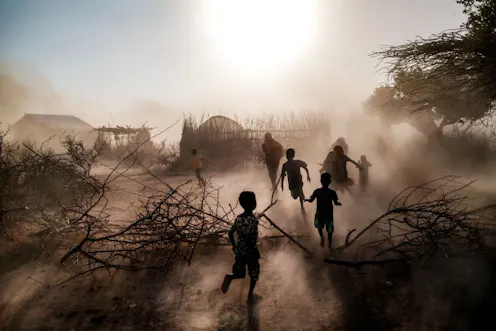
Heat, floods and droughts create conditions for pathogens and their vectors.
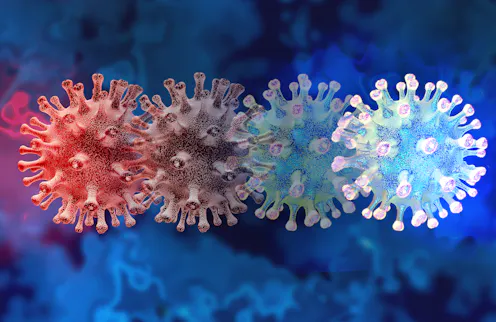
Une nouvelle lignée de SARS-CoV-2, B.1.1.529, a été identifiée. Baptisée Omicron par l’OMS, qui l’a catégorisé « préoccupant », ce variant a un profil génétique très différent des précédents.
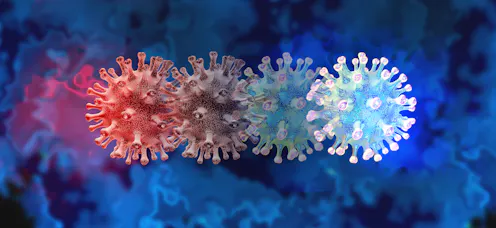
There’s a new COVID lineage called B.1.1.529. It has a genetic profile very different from other circulating variants
We are being cautious about the implications for vaccine efficacy and transmissibility while we gather more data to understand this lineage.
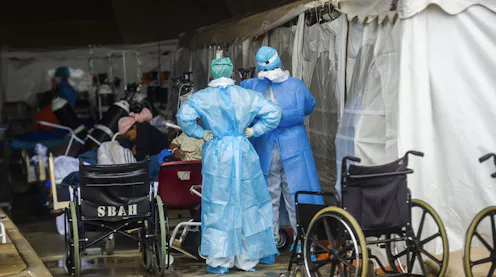
Los expertos han observado que la 501Y.V2 se ha convertido rápidamente en dominante entre el resto de variantes que circulan entre la población en Sudáfrica.
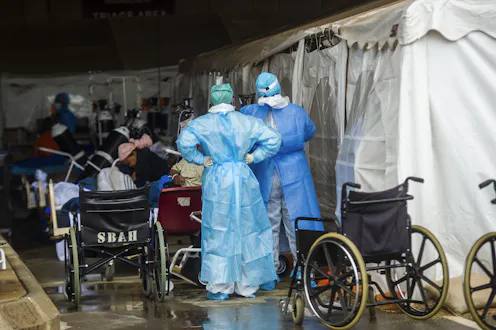
Scientists have observed that 501Y.V2 has quickly become “dominant” among multiple variants that have been circulating in the South African population.
Contact Tulio for
- General
- Media request
- Speaking request
- Consulting / Advising
- Research collaboration
- Research supervision
- Website
- Article Feed
- ORCID
- Joined
