
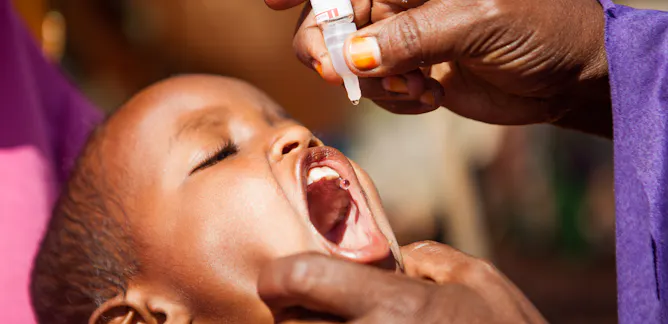
There are five priorities African countries must pursue to achieve vaccination success.
Stellenbosch University

Stellenbosch University (SU) is among South Africa’s leading tertiary institutions based on research output, student pass rates and rated scientists, and is recognised internationally as an academic institution of excellence. This is confirmed by two world university rankings after SU was included in the Times Higher Education and QS (Quacquarelli Symonds) world rankings in 2012, for the second consecutive year. In 2011 the University was also listed on the Leiden rankings, and in 2012 SU was named the leading African University by the Webometrics Ranking of World Universities which ranks universities according to their web presence.
SU also boasts the second-highest number of scientists in South Africa who have been ranked by the National Research Foundation (NRF) – 306 in 2012. With 18 research chairs under the NRF South African Research Chairs Initiative (SARChi), the University is regarded as a leader in the fields of biomedical tuberculosis research and management, wine biotechnology, animal sciences and mathematical biosciences. Another SARChi chair, in the field of invasion biology, is shared between SU and the University of Venda. This constitutes but one of SU’s many partnerships, both local and international. As preferred research partner, SU also participates in various international academic networks.
Links
Articles

Recent drone and GPS jamming attacks on Germany and Romania have ratcheted up tensions between Russia and the rest of Europe.
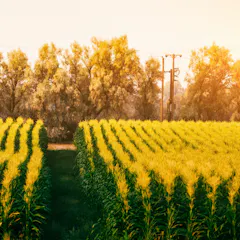
Trade within the Southern African Development Community is an issue holding back agriculture.
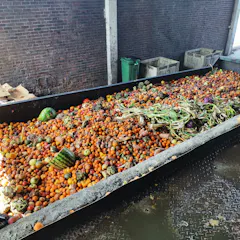
South Africa must focus not just on food production but on preserving what is produced through improved cold chain infrastructure.
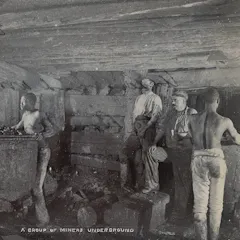
More inclusive history teaching doesn’t just add new topics to the curriculum, it values the languages of all learners.
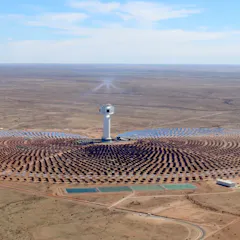
South Africa is one of the best places in the world for concentrating solar power. So why has the country’s energy plan largely ignored it?

Not even the #MeToo movement and a reckoning with sexual abuse could rupture the sound-proof walls of South African classical music.
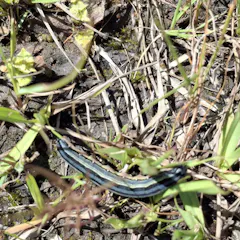
Les chenilles légionnaires africaines causent d’importants dégâts aux cultures et au bétail.
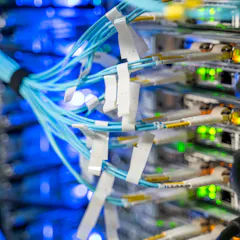
AI data centres are contentious for consuming large resources. But with the right incentives and regulation, can they make for more flexible electricity systems?
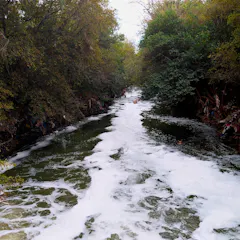
After harmful bacteria are removed by water treatment, the genetic information that enables antimicrobial resistance can persist.
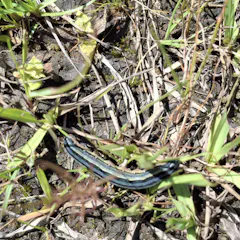
The African armyworm causes havoc for many crops and livestock.
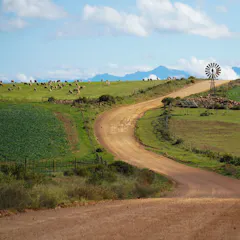
Previous rains and grain stocks could reduce the impact of the expected drought.
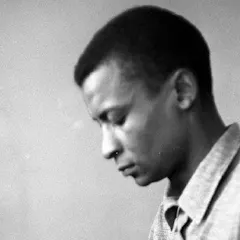
En exil, il a imaginé une Afrique différente à travers sa musique, tout en découvrant de nouvelles réalités à l’étranger.
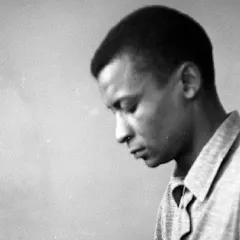
In exile, he imagined a different Africa in his music, while being exposed to new realities abroad.
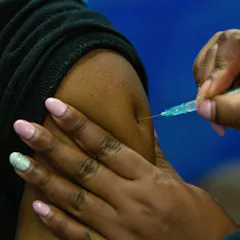
Different social realities lead to different forms of vaccine hesitancy.
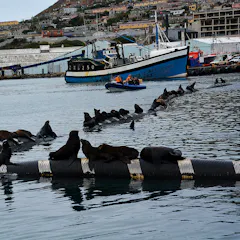
From Cape Town’s kelp forests to debates over hunting and sharks, human relationships with wildlife are reshaping conservation across South Africa.
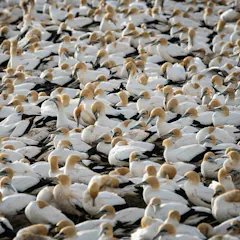
The use of artificial intelligence tools is among the top emerging issues in biodiversity conservation.

There is no shortage of global objectives and targets driving ocean conservation. However, protecting oceans depends on the communities that steward them.

A high proportion of South Africans complete grade 12 despite evidence of learning gaps – how is this possible?
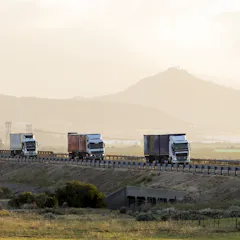
Diesel has become South Africa’s shadow infrastructure system by compensating for failures in electricity generation and freight rail.
Authors
-

Professor and Chair in Sustainable Energy Systems, Te Herenga Waka — Victoria University of Wellington; Stellenbosch University
-
Senior Lecturer in Musicology, Stellenbosch University
-
Extraordinary Professor, Global Health, Stellenbosch University; South African Medical Research Council
-
Professor in Mechanical and Mechatronic Engineering, Stellenbosch University
-
Senior research scientist, Stellenbosch University
-
Researcher, Centre for Sustainability Transitions, Stellenbosch University
-
Postdoctoral Research Fellow, Stellenbosch University
-
PhD Candidate in Conservation Ecology and Entomology, Stellenbosch University
-
Postdoctoral Fellow at the Department of Microbiology, Stellenbosch University
-
Research entomologist, Department of Conservation Ecology and Entomology, Stellenbosch University
-
Professor in Law and Security, University of Canberra; Stellenbosch University
-
Senior Lecturer, Stellenbosch University
-
Post-Doctoral Fellow, Stellenbosch University
-
Professor of Microbiology, Stellenbosch University
-
Senior Fellow, Department of Agricultural Economics, Stellenbosch University