

Australians love a holiday, but are increasingly making travel plans around unpredictable weather.
- Professor of Conservation and Sustainable Livelihoods, Charles Darwin University
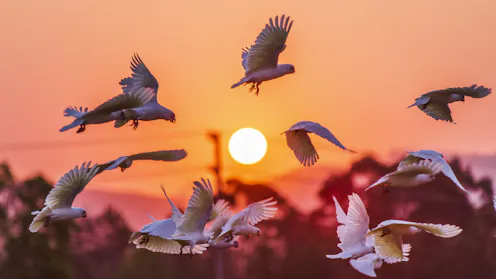
As a lethal bird flu spreads in Australian wildlife, it can be easy to think nothing can stop it. That’s an error – much can be done.
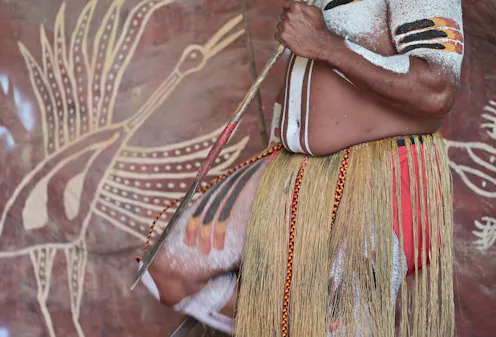
There is growing interest in the use of First Peoples’ words to name plant and animal species. But we must proceed with both caution and respect.
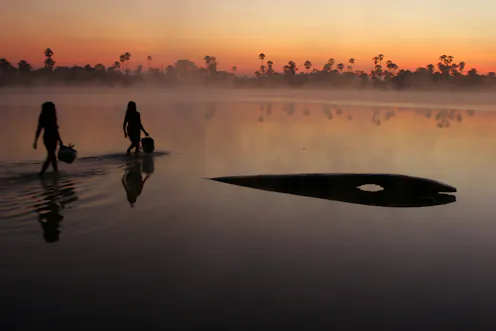
There is ample evidence showing Indigenous Peoples and their territories are essential to the world’s biodiversity. We don’t need an unsupported statistic to prove it.
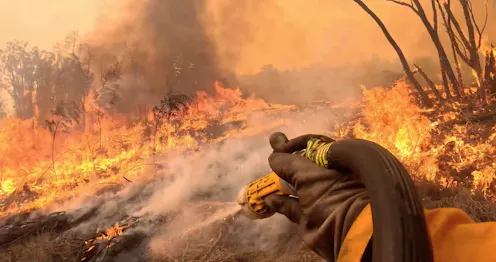
Survey respondents overwhelmingly prioritised saving a human life – even if that person had been repeatedly told to evacuate and even if, as a consequence, a snail or shrub species became extinct.
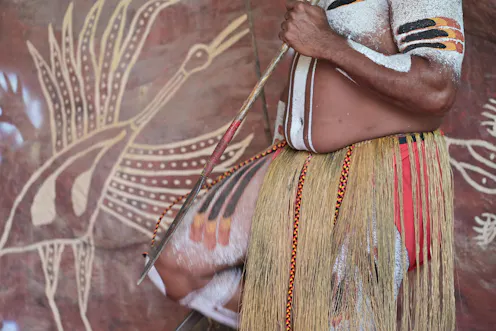
Australia’s First Peoples have a strong and continuing connection to the land. Their determination to maintain this connection provides important opportunities for conservation. Our new research explored…
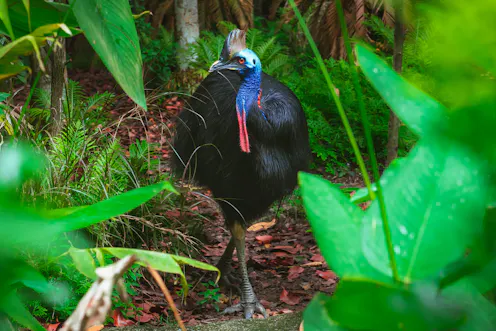
It’s hard work saving birds from extinction, but we have the evidence of successful interventions to show we can avoid further losses.
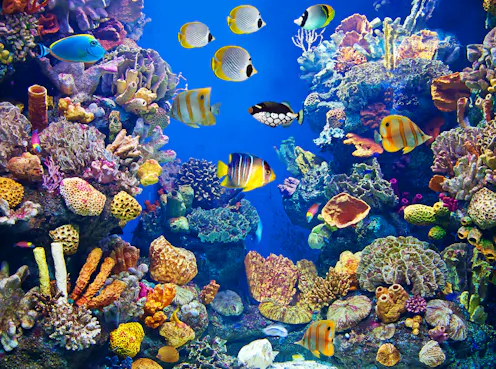
Stephen Garnett takes us inside a scientific spat about how to govern the naming of new species. Listen to The Conversation Weekly podcast.
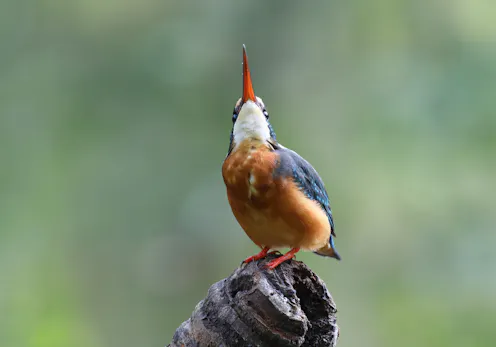
Somente depois que uma espécie é identificada e listada por taxonomistas é que ela pode ser protegida. No entanto, ainda não temos uma lista globalmente aceita de todas as espécies. Uma nova pesquisa realizada em 74 países aponta para a solução.
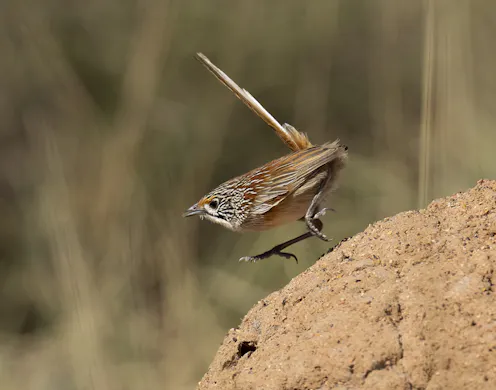
Our birds are tough. They went through some mean climatic conditions to make Australia home.
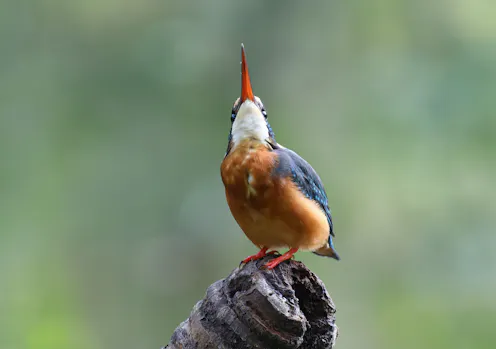
Only after a species is identified and listed by taxonomists can it be protected. Yet we still don’t have one globally agreed-upon list of every species. A new 74-nation survey points to the solution.
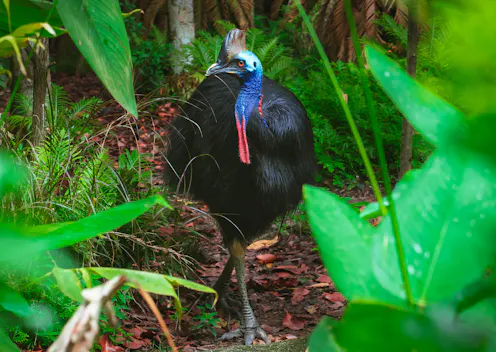
Dozens of species have been coaxed back from oblivion, with fenced havens, conserved habitat, islands and feral predator control vital.
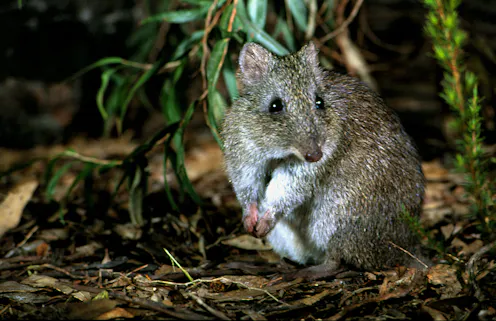
The hardest to save will be five reptiles, four birds, four frogs, two mammals and one fish, for which there are no recent confirmed records of their continued existence.
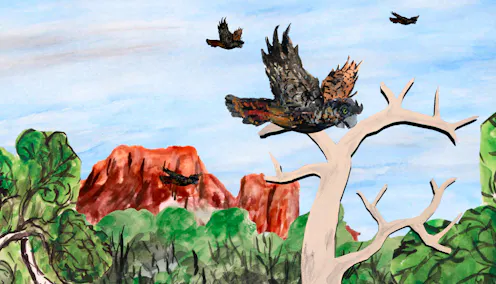
These are poignant cries of a disappearing landscape – the creaking calls of gang-gangs, buzzing bowerbirds and the mournful cry of the far eastern curlew.
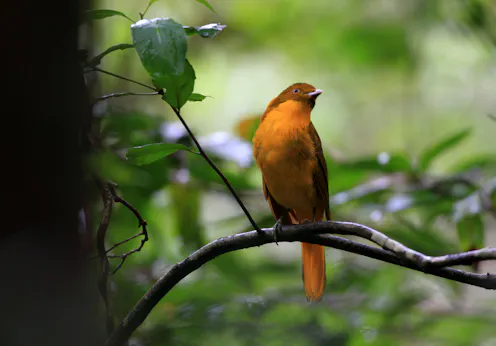
Without changes, many birds will continue to decline or be lost altogether. But when conservation action is well resourced and implemented, we can turn the trend around.
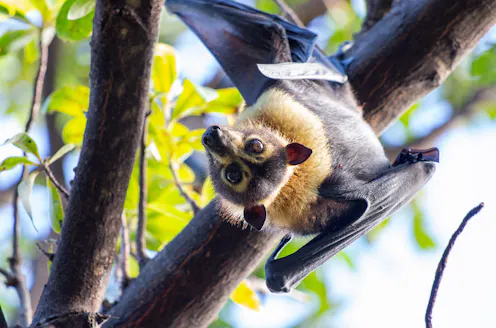
The federal government has proposed changes to threatened species protection which would lead to weaker legal protections. Conservationists are alarmed, but in reality, it’s no great loss.
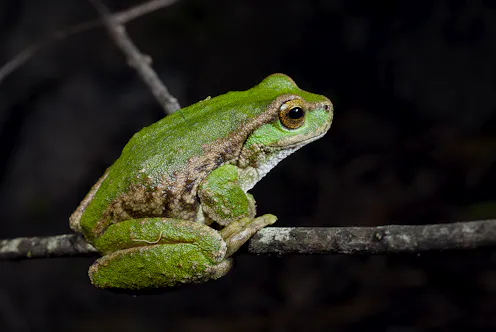
We’ve identified three frog species very likely to already be extinct. Another four species on our list are still surviving, but not likely to make it to 2040 without help.
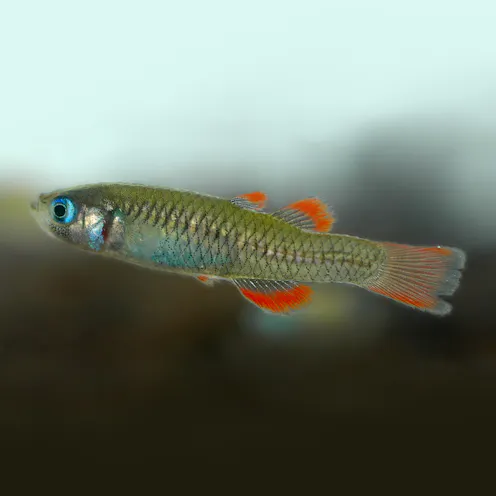
Twenty of these freshwater fish species have a 50% or greater probability of extinction within the next 20 years.
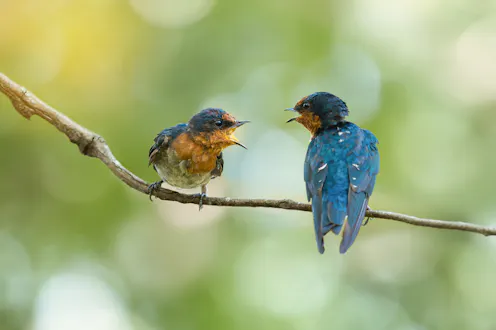
A public debate recently erupted among global taxonomists. Strongly-worded ripostes were exchanged. A comparison to Stalin was floated. But eventually, they worked it out.
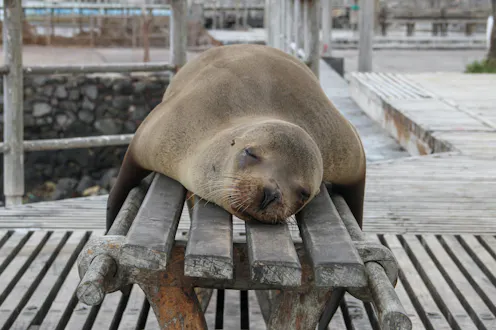
Las famosas islas en las que Darwin elaboró su teoría de la evolución también sufren el sobreturismo. La pandemia de COVID-19 puede empeorar su situación.
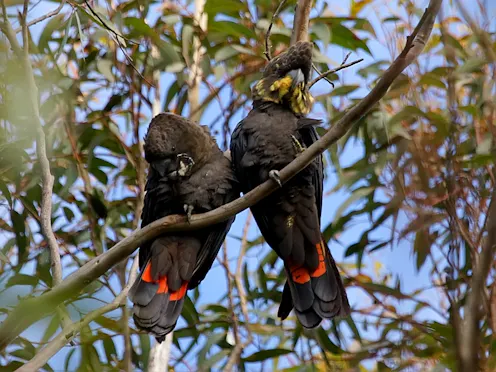
The destruction of recent fires is challenging our belief that with enough time, love and money, every threatened species can be saved. But there is plenty we can, and must, now do.
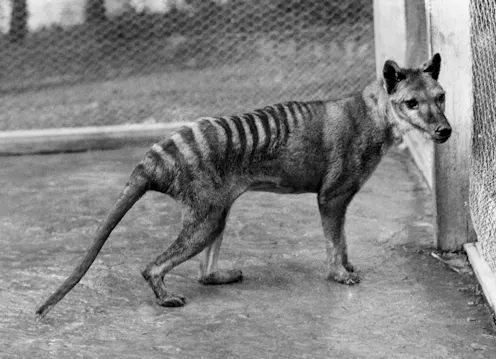
New research has revealed 100 plant and animal species have become extinct in the past two centuries – a far higher number than previously thought.

The endangered Australasian bittern offers a way past the ‘farmers vs environmentalist’ debate in the Murray-Darling basin.
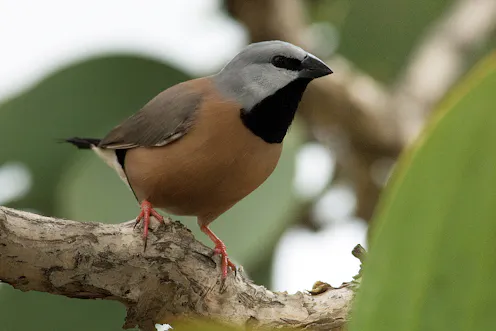
The Queensland government has green-lit an updated version of Adani’s plan to protect the black-throated finch at its Carmichael mine site, after the earlier plan was branded inadequate.

In the event, the federal election turned out to be more about the economy than the environment. But there are steps the Coalition government can take to help conservation and boost the economy too.
Contact Stephen for
- General
- Media request
- Speaking request
- Consulting / Advising
- Research collaboration
- Research supervision
- Website
- Article Feed
- ORCID
- Joined
