
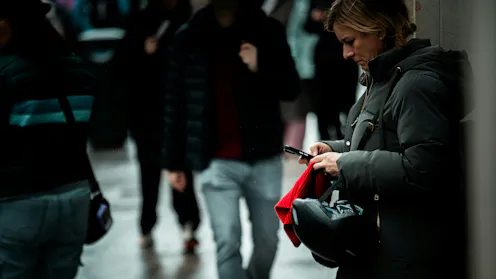
While setting up new revenue streams for struggling newsrooms is a welcome move, the laws themselves are far from perfect.
- Director, News & Media Research Centre, University of Canberra
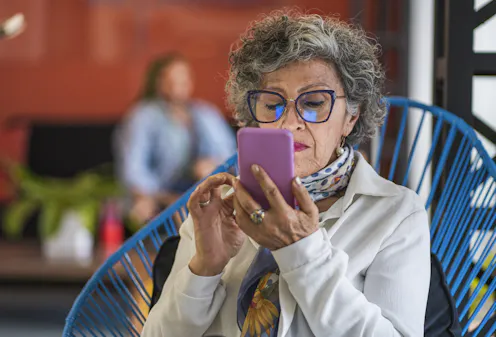
Imagine a world where nobody clicks on misleading content online. Media literacy can get us there.

They are more engaged in news and more willing to pay for it – and they do so primarily through social media.

The rapid spread of AI has pushed an already fragile news ecosystem closer to breaking point.

Many Australians are concerned about misinformation, and as a result some choose to disengage from the democratic process altogether.
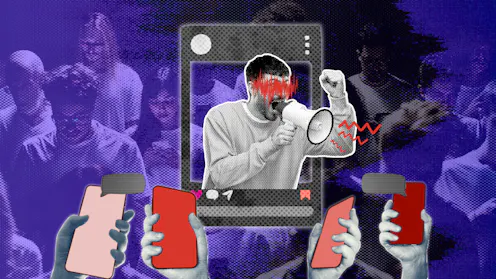
The latest Digital News Report shows Australians are still avoiding traditional media, but are highly sceptical of social media players.
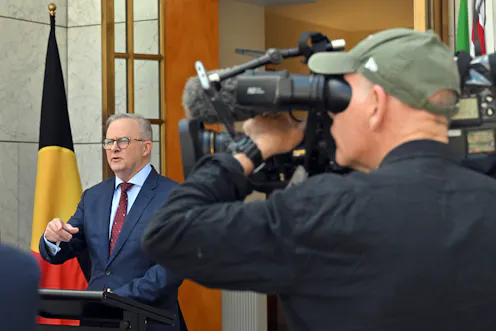
Many Australians find political news off-putting, but it’s vital for our democracy that media outlets work towards making their reporting more accessible and relatable.
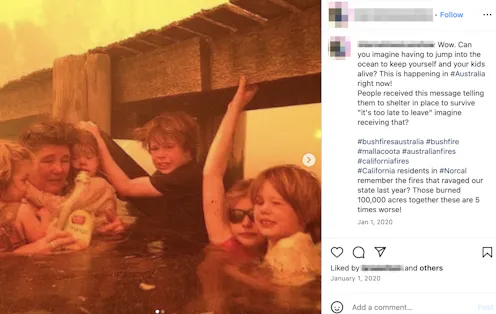
How would you tell if information in a post is true or false? Our study tested the ability of 2,115 adult Australians to verify information online.
The media landscape is rapidly changing – and everyone needs to know how to participate in it.

A new study shows Australians are wary of news that is produced by AI – but they worry more about its involvement in certain kinds of news than others.
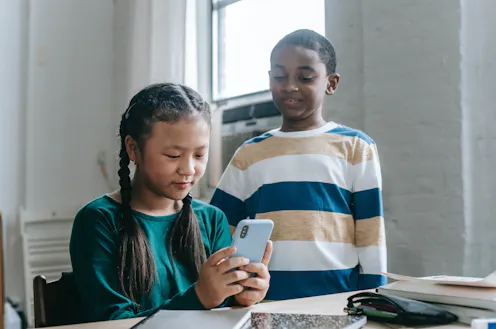
Family and friends were the top news sources for children and teens. But young people are also regularly getting news from social media.
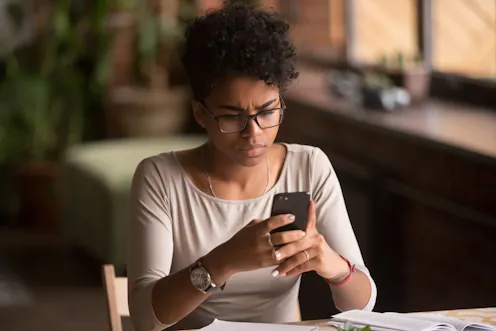
Meanwhile, new research shows Australian women are turning their backs on news more than men, which has implications for the media industry.
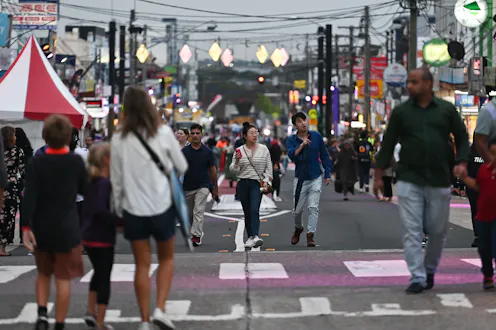
These findings suggest there is room for improved recruitment and reporting practices in the news industry
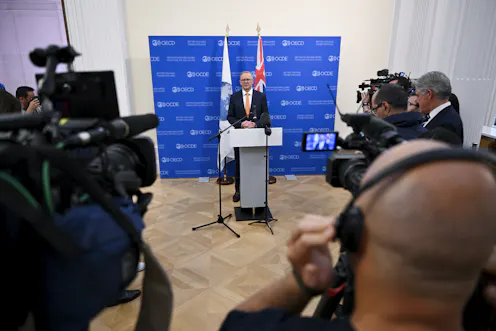
New research shows that while media companies are now much more reflective of the community they represent, there is still work to be done on inclusion in journalism.
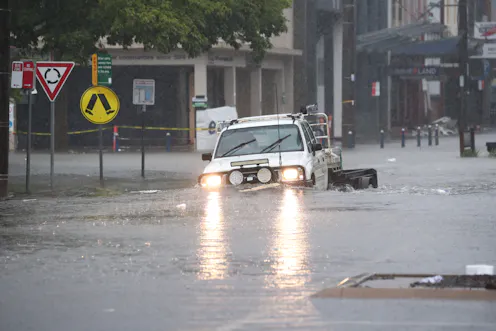
When it comes to climate change, Australians want their news reported a little differently.

Several measures need to be put in place to track the code’s effectiveness in protecting news outlets and the public interest.

Academics in all areas have deep concerns about their ability to undertake research during the pandemic and the flow-on effects of this. Women and early career researchers were particularly hard hit.
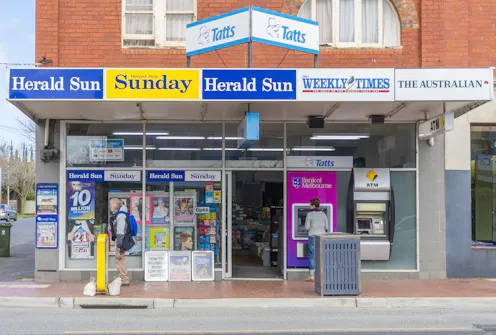
New research has found many Australians are not away media organisations are struggling financially, and they also do not believe the government should help them to stay afloat.
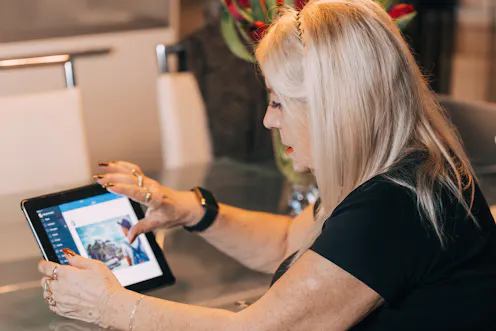
The first nationally representative survey to investigate the media literacy needs, attitudes and experiences of Australian adults shows they need more help with understanding media.

With regional news outlets long in decline, people have been increasingly turning to social media for information. Facebook’s news ban places that under threat.
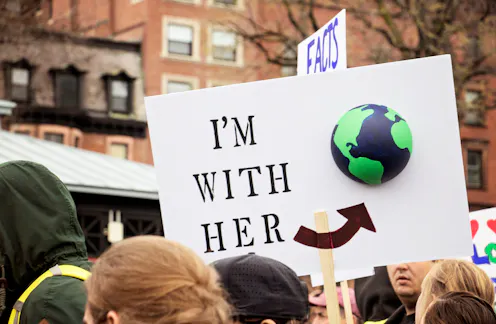
Australia ranks third in the world in climate change deniers. It’s a bronze medal we don’t want.

New research reveals Australians are feeling overwhelmed and anxious about coronavirus news, with younger people particularly worried about its effects.
A new survey found the reputation of the news brand and journalists matters when it comes to public trust in media. Employing more journalists and being more active on social media doesn’t.
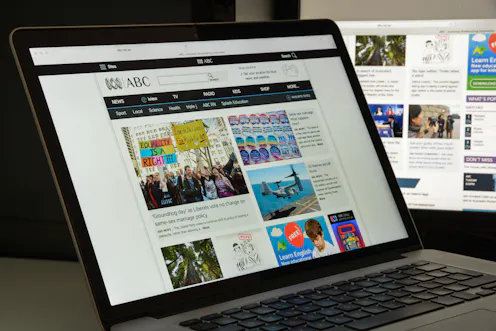
More than a third of Australians say they would prioritise a subscription for a video streaming service, such as Netflix, over a subscription for online news.

It may be because we’re early adopters and know the risks of social media, but a new study has found Australians are particularly careful about expressing political views online.
Contact Sora for
- General
- Media request
- Speaking request
- Consulting / Advising
- Research collaboration
- Research supervision
- Location: Canberra, Australia
- Website
- X (formerly Twitter): @sorapark
- Article Feed
- ORCID
- Joined
