
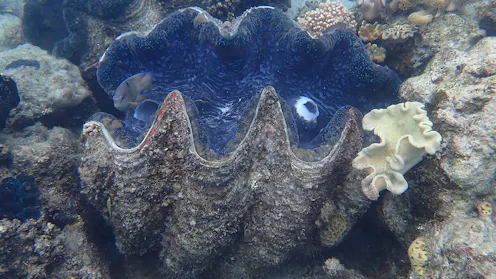
La coquille d’un bénitier géant vieux de 225 ans a permis de reconstituer, mois après mois, le climat de la Grande Barrière de corail avant le réchauffement industriel.
- Director, ARC Centre of Excellence for Indigenous and Environmental Histories and Futures, James Cook University
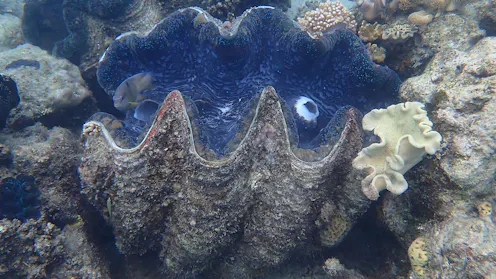
The clam fills a crucial gap in our records of what the reef was like before industrial-era global warming.
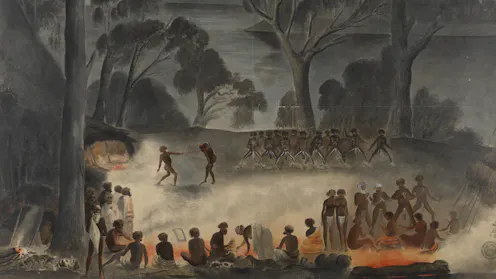
Genetic, archaeological and environmental evidence suggest the Indigenous population fell by more than 90% in the 70 years after the British invaded.
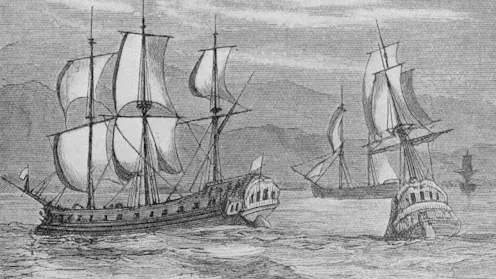
New mathematical modelling shows the first smallpox epidemic among Aboriginal people in the Sydney region may have spread thousands of kilometres and lasted decades.
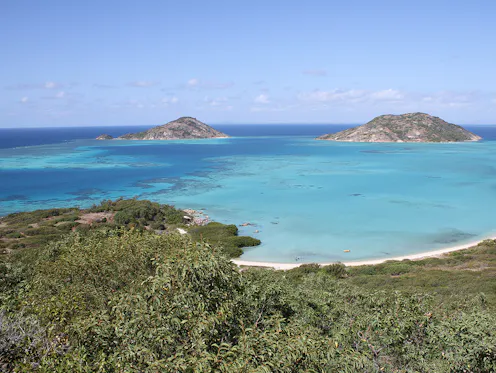
Pottery made more than 1800 years ago by Aboriginal communities on Jiigurru in the Lizard Island group in the Great Barrier Reef is the oldest ever found in Australia.
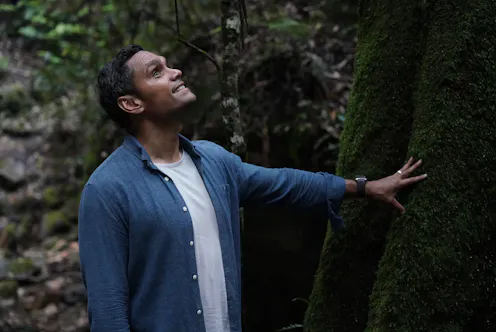
The First Inventors documentary series is appearing on our screens at a time when Australia engages in some big national conversations about voice, truth, and treaty.
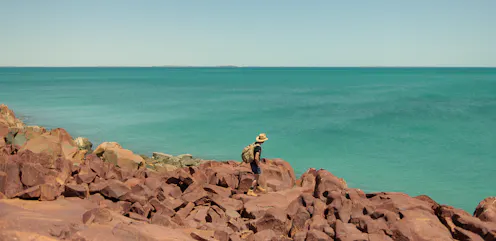
With 300 stone artefacts submerged on Australia’s continental shelf last year, Indigenous underwater cultural heritage needs to be prioritised in marine science and industry practices.
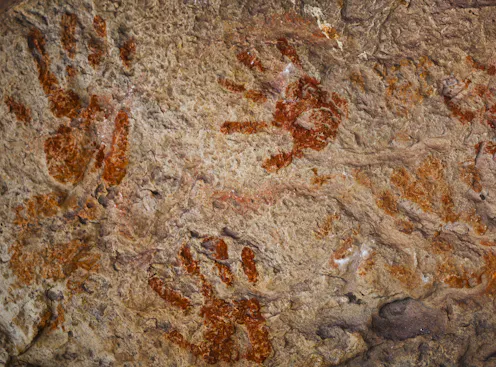
It took just 5,000 years for large and well-organised groups of people to populate all corners of the continent.
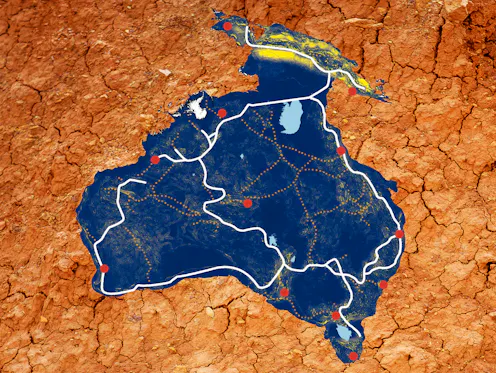
We now have a glimpse into where early Indigenous Australians likely travelled all those tens of thousands of years ago.
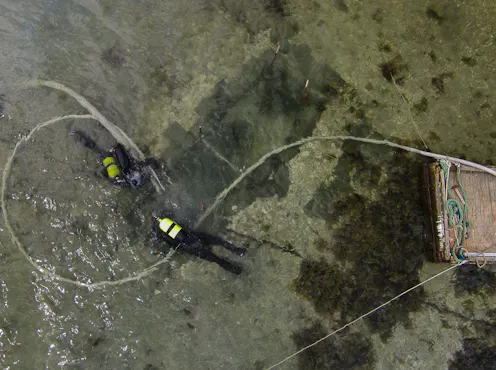
Undersea shell middens contain important clues about the past - what people ate, who they were interacting with and how the climate was changing. Now we have a better way to detect and excavate them.
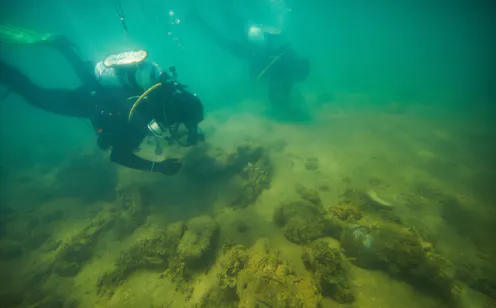
Submerged in the waters off Western Australia lies an ancient site home to Aboriginal people thousands of years ago, when sea levels were lower than they are today.

New research shows just how many first people were needed to create a viable population in what is now Australia.
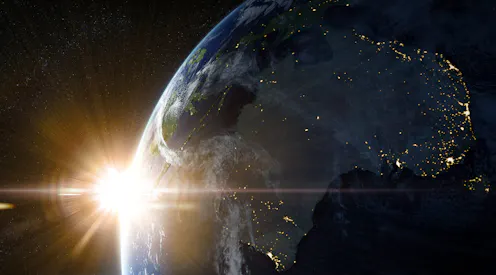
The story of Australia has been studied and explored many times by researchers. Look what they’ve revealed, so far.
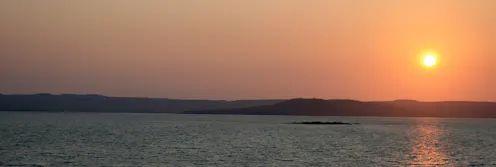
Manusia pertama yang sampai ke Australia mungkin menavigasi lautan unuk menyeberang hingga barat laut pesisir benua tersebut lebih dari 50.000 tahun lalu.
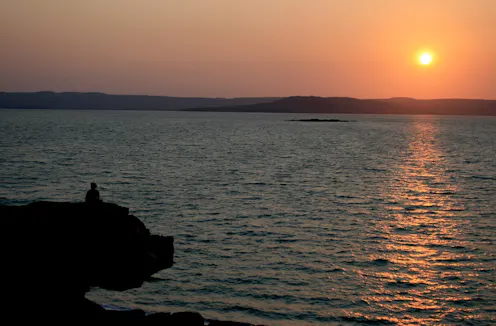
The first people to make it to Australia could have navigated their way by sea crossing, reaching the north-west coastline of the island continent more than 50,000 years ago.

People have been forced to move in the past thanks to changes in sea levels that affected Australia’s coastline.
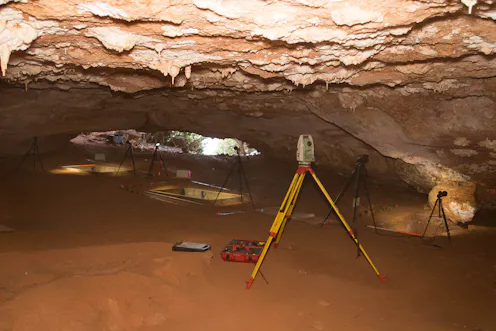
Part of the land inhabited by some of the early Australians is now submerged, but details of their life is now revealed in an excavation on an island off the continent’s north-west coast.
Contact Sean for
- General
- Media request
- Speaking request
- Consulting / Advising
- Research collaboration
- Research supervision
What is this? Become a friend.
- Location: Cairns, Australia
- Website
- BlueSky: @seanulm.bsky.social
- LinkedIn: seanulm
- Article Feed
- ORCID
- Joined
