

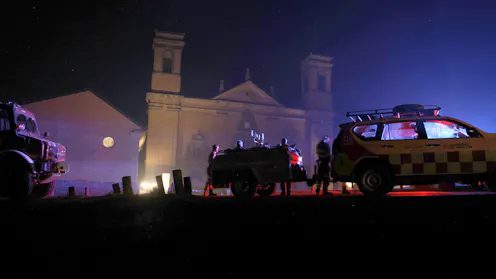
Après un incendie, les bâtiments historiques en pierre ou en brique peuvent souvent être sauvés. Mais pour éviter leur démolition, il faut évaluer rapidement les dégâts et consolider les murs.
- Associate Professor of Architectural Engineering, Penn State
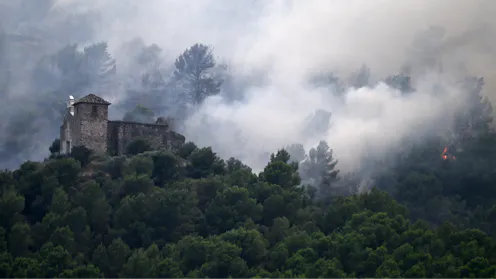
The damage is sometimes only centimeters deep. Three engineers explain the colors of burned masonry and other signs preservationists look for amid another destructive fire year.
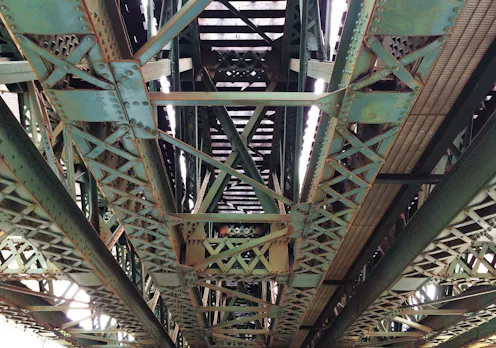
What will the US$1.2 trillion infrastructure bill pay for? Here are some of the things it will help build, fix or remove.
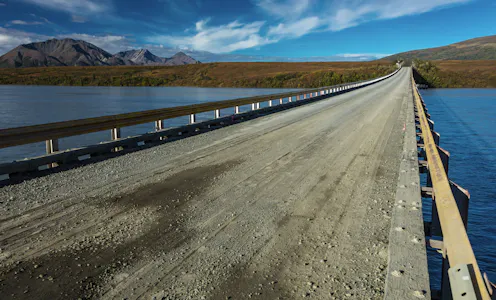
Alaska is warming faster than any other U.S. state, and that’s causing problems, a team of bridge engineers and social scientists explains. The infrastructure bill in Congress would offer some help.
Contact Rebecca for
- Media request
- Speaking request
- Consulting / Advising
- Research collaboration
- Location: State College, Pennsylvania, U.S.
- Website
- Article Feed
- Joined
