
Tactical voting and shifting party allegiances mean the final week could change everything.
- Professor, Department of Government, University of Essex
Things could have been quite different if Jeremy Corbyn swung more decisively to Remain or if Jo Swinson hadn’t been in such a rush to the polls.
On one hand, the Conservatives are experiencing a poll bounce. On the other, well, everything else.
Division among the opposition parties continues to play into Boris Johnson’s hands.
Based on current trends, the UK could be heading for a hung parliament.
Findings over the past few months show the two main parties are in terrible shape ahead of this snap vote.

Every so often a ‘sure thing’ comes along when the markets decide that a currency is going to move in only one direction.
If the strategy succeeds, the Tories could win a snap election with 40% of the vote.
Accusations of skullduggery abound, and these findings won’t help matters.
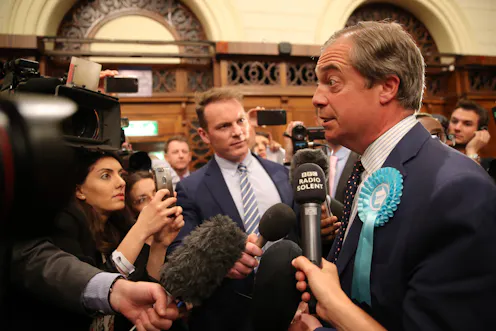
Newcomers took most support from the Conservatives. But survey shows Nigel Farage is not as popular as he likes to think.
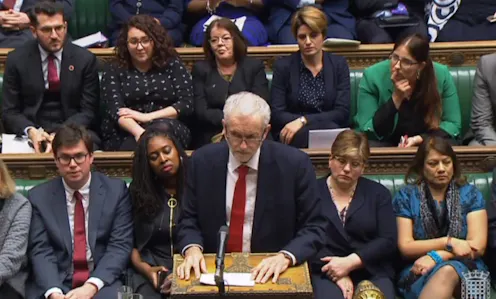
The political consequences of speaking out about Brexit have been overblown, data from the most recent elections suggest.
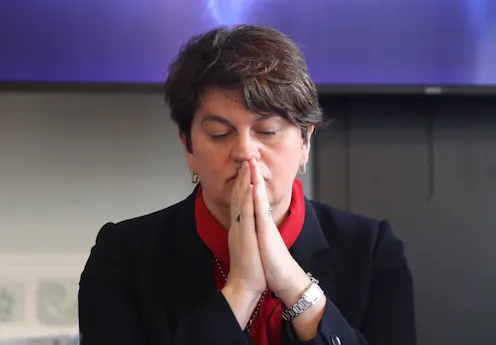
The question of what to do on the Irish border issue has become more about identity than practicality.
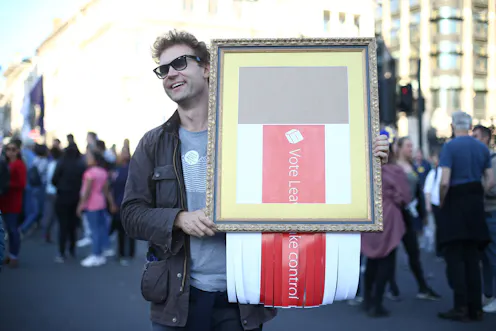
We can use data on public attitudes to help get a sense of whether the UK would vote differently if it got another chance.
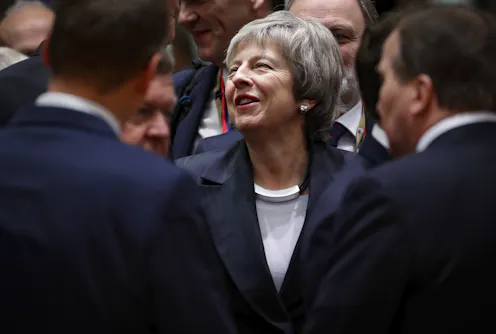
Some see it as tantamount to a no-deal Brexit but it might at least get through parliament.
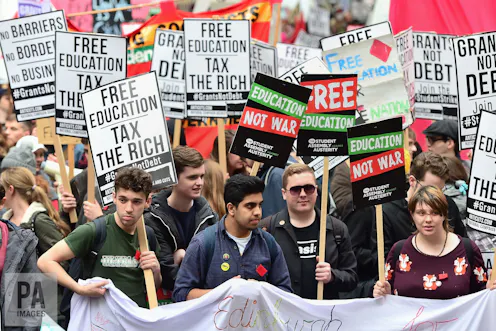
The government has ignored this group for years, now it asks why they vote for the opposition.
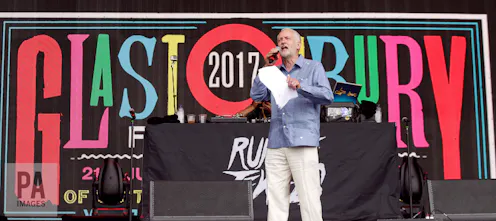
What drove young people to turnout in such high numbers to back Corbyn? And will they stick with him?
CC BY-ND16 MB (download)
With Labour closing in on the Conservatives in the polls, we discuss the likely outcome of the UK general election 2017.
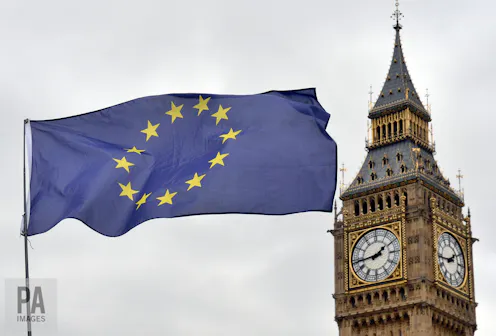
Talk of punishing parties for their stance on the referendum may be overhyped – not least because of all the confusion about where each actually stands.
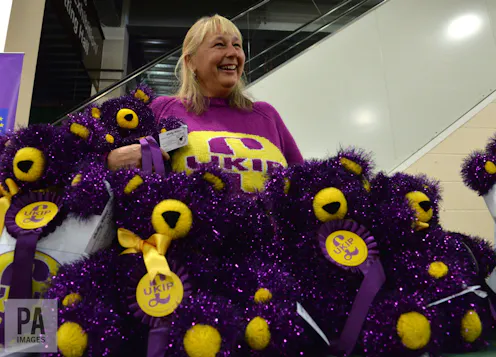
The upsetters have achieved their founding ambition, now they need to work out what to do next.
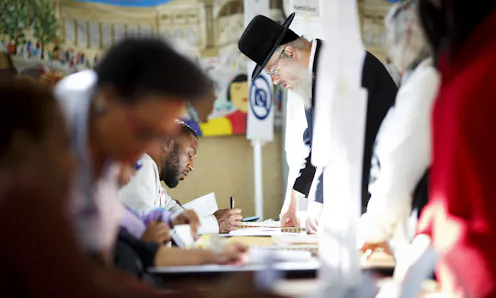
From undetected late swings, to pollster ‘herding’.
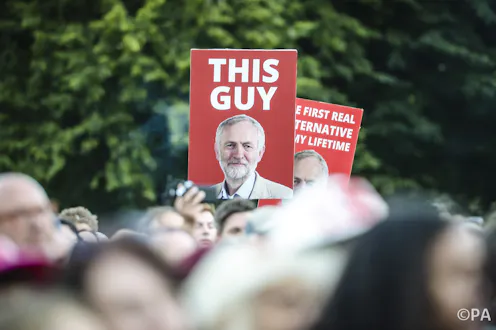
When you educate people and then take their opportunities away, they do have a bit of a tendency to revolt.

If turnout had been 100% on June 23, you might be eating a croissant right now instead of protesting about Brexit. Then again, you might not.
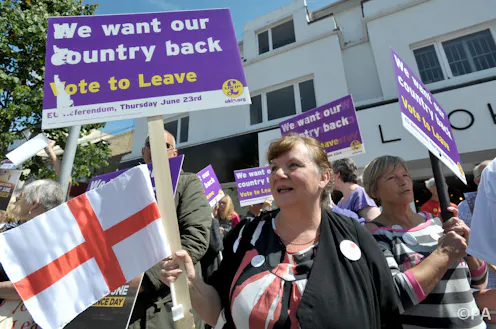
Feelings about the EU come down to a sense of identity and the more you age, the more English you feel.
The trend is headed in Leave’s favour.
A special episode of the Anthill, a podcast from The Conversation, on the referendum on Britain's EU membership.
Contact Paul for
- General
- Media request
- Speaking request
- Consulting / Advising
- Research collaboration
- Research supervision
- Article Feed
- ORCID
-
- Joined
