
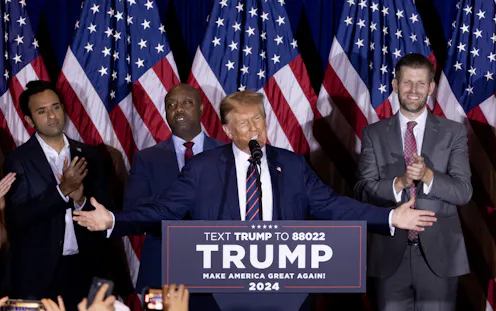
Trump stormed to victory in New Hampshire’s Republican primary – but his biggest challenge will be winning over independent voters.
- Professor, Department of Government, University of Essex
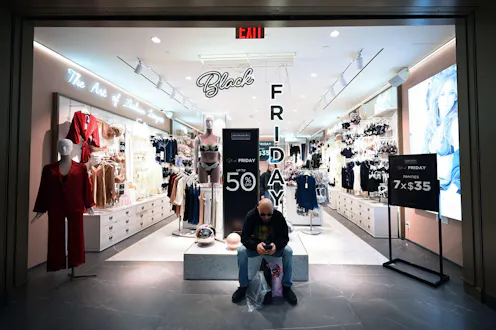
Biden is not getting a bump in the polls for the improving economy, but historical data suggests it might come soon.
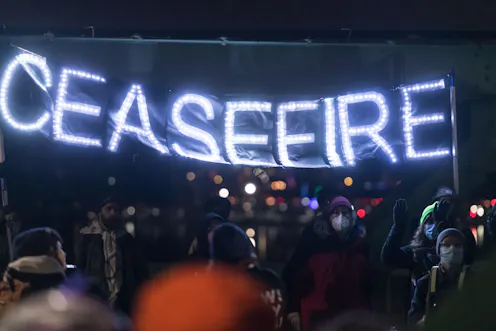
Numbers of Muslim and Jewish voters in the US, are small, compared to the rest of the population, so their voting patterns are unlikely to change the 2024 election result.
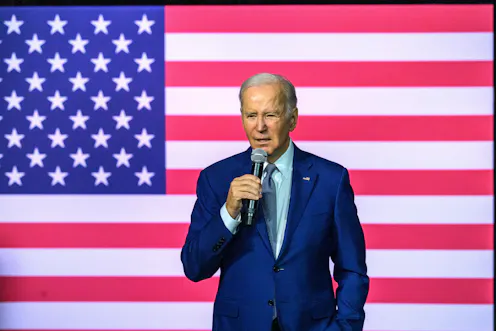
The US president’s ratings may be poor, but historical data and and analysis suggests, he could still win the election.

Fewer people are being ‘socialised’ into Conservative voting since the dominance of New Labour in the 1990s.

More and more people are saying they don’t trust the news or can’t face engaging with it – and that appears to have political implications.
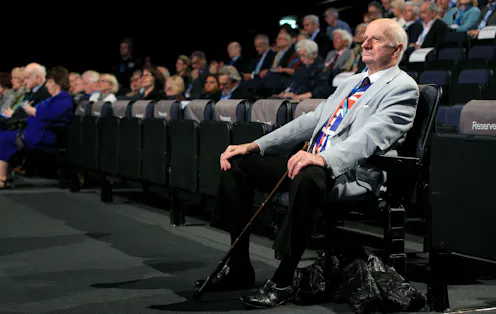
The pressure to ‘have a good conference’ is immense for a party hoping to win an election. But the anxiety isn’t really evidence-based.
This method of predicting results has been shown to be accurate over 100 years of US presidential elections.
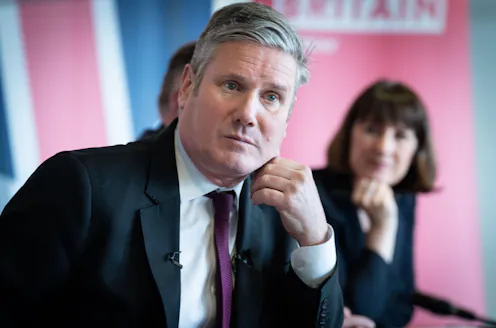
The opposition is divided over whether it will win over voters by promising more public investment or by proving it is economically restrained.
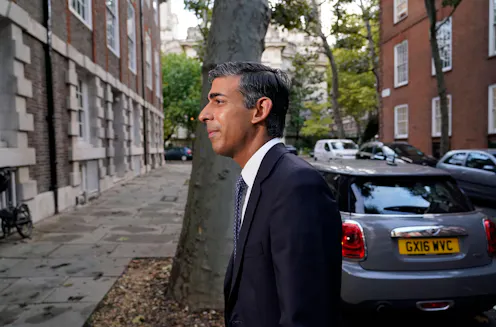
Labour stands a good chance of taking one of three impending votes, while losing either of the other two would be very bad news for Rishi Sunak.
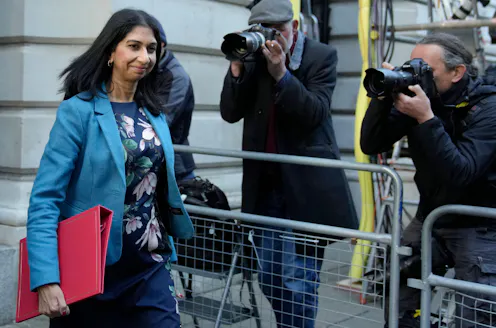
The relationship between net migration and support for the governing party is positive.
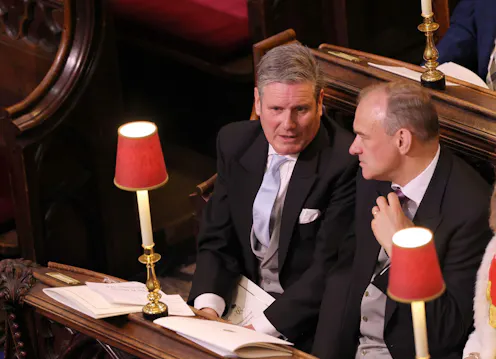
Ed Davey is haunted by his party’s experiences in government with the Conservatives – but there’s a key difference this time around.
Forecasting is a tricky art but looking back at the relationship between local elections and subsequent general elections puts Labour on course for House of Commons majority.
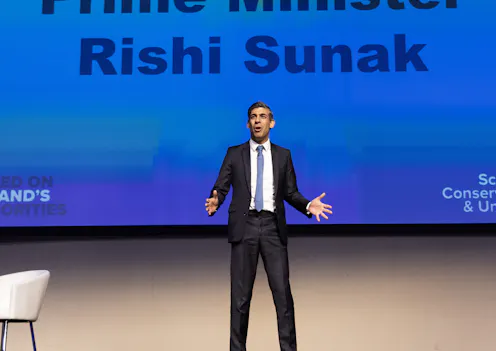
The prime minister is popular, his party is not. Which is more important as we head towards the next election?
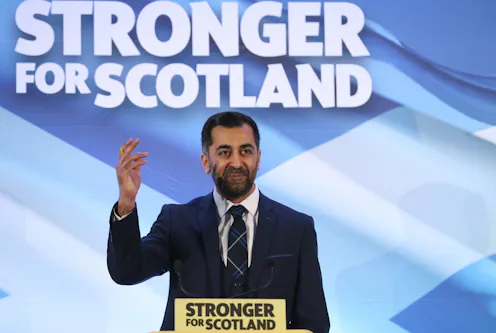
The SNP’s new leader only just squeaked over the line against his rivals, which is a bad sign for his ambition to take Scotland out of the UK.
Raising rates to fight inflation involves a time lag so current efforts to bring down prices won’t start having an impact until the next election is approaching.
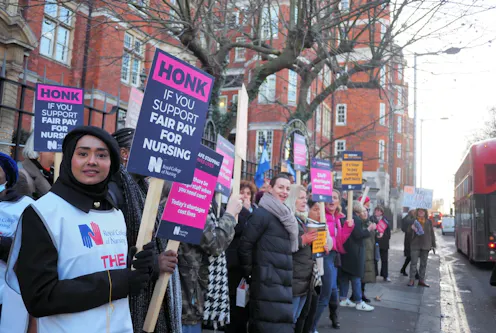
Recent price rises are not due to higher wages but supply-side issues including the war in Ukraine, the COVID pandemic and Brexit.
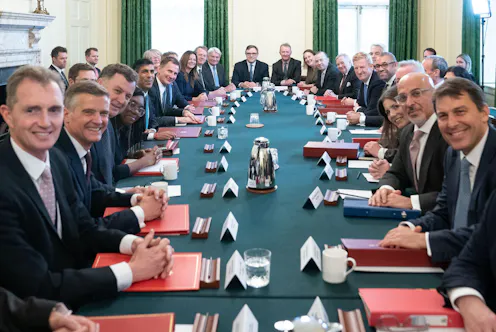
When the rot sets in, past governments have found it hard to win back the public.
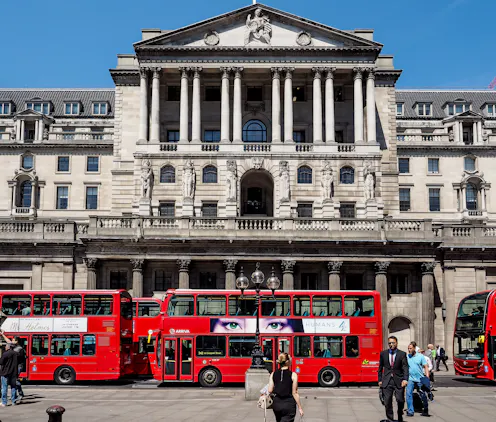
The OBR’s official inflation forecasts include economists’ expectations, but what about yours?
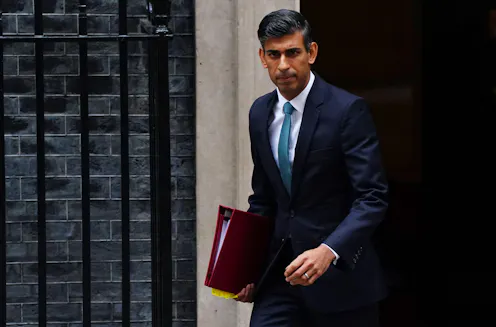
Polling only provides a snapshot of the current moment but modelling across decades can help us predict the next election result.
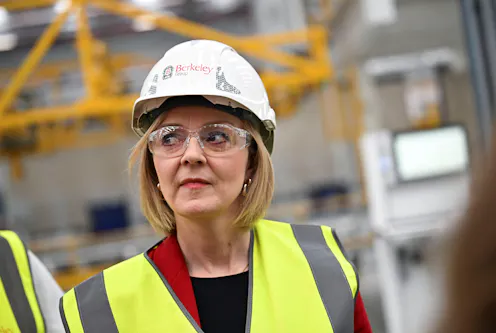
A quick look back at the history books might have deterred the prime minister from her extreme actions.
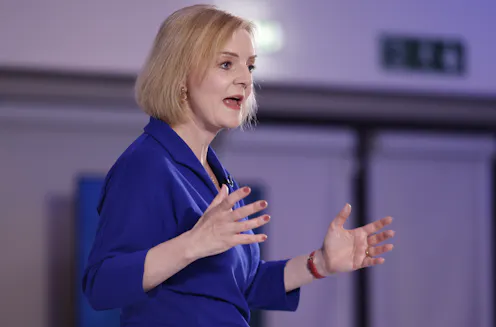
The likely next prime minister is focusing on tax cuts to solve inflation.

Why tax cuts are unlikely to help Britain address its current crises.
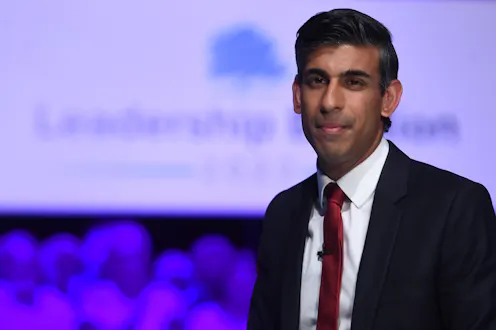
No one says ‘yes, ethnicity is an issue for me’ when pollsters ask but Conservative party members do show an above average opposition to diversity drives.

Do party members choose their preferred leader or the candidate who is more popular with the wider public?
Contact Paul for
- General
- Media request
- Speaking request
- Consulting / Advising
- Research collaboration
- Research supervision
- Article Feed
- ORCID
-
- Joined
