

Next time your colleague funks up the break room, consider leaving a passive aggressive copy of this article nearby, so they can understand the chemistry involved.
- Associate Professor in Chemistry and Associate Head Learning and Teaching, University of Tasmania
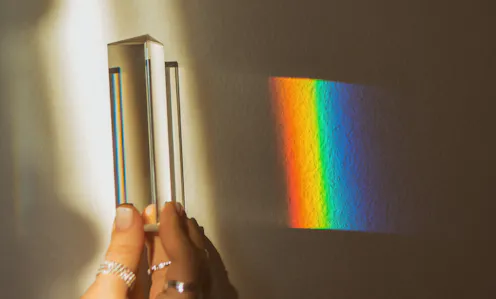
Science equips us with the tools to reason, evaluate evidence, and make informed decisions in a complex, changing world.
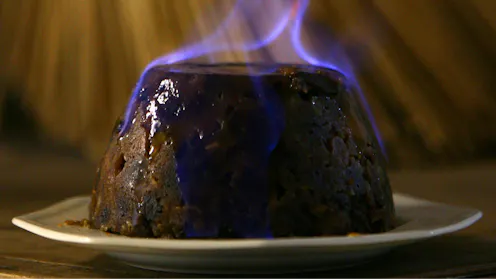
Liquid fuel fires can be very dangerous, so plan ahead if you want to set your pudding on fire. And remember: more fuel isn’t always better.
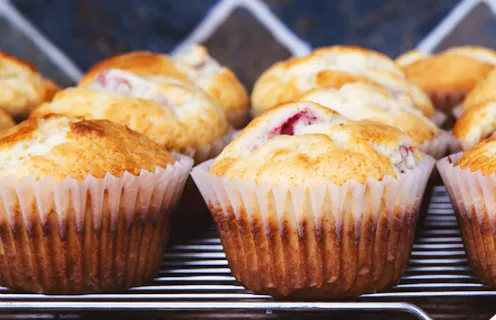
You can’t easily swap one for the other – like chemistry, baking is a precise science.
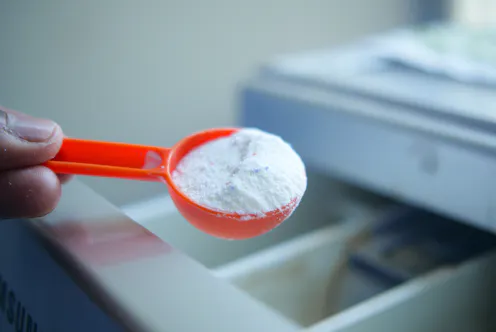
A química dos sabões para lavar roupas é fundamental para o seu desempenho. Saber mais sobre seus ingredientes pode ajudar a informar suas escolhas.
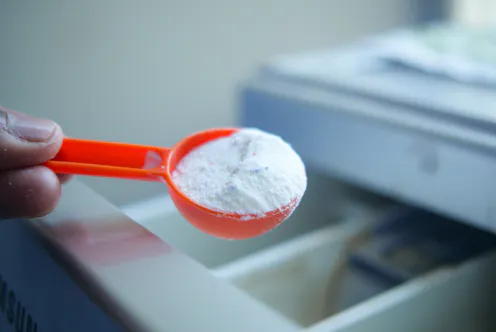
The chemistry of laundry detergents is fundamental to their performance. Knowing more about these ingredients will help inform your choices.
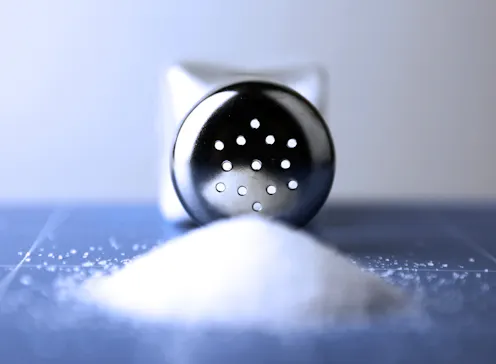
Salt and MSG are two well-known food additives. Both contain sodium, but there are plenty of differences you can use to your benefit.
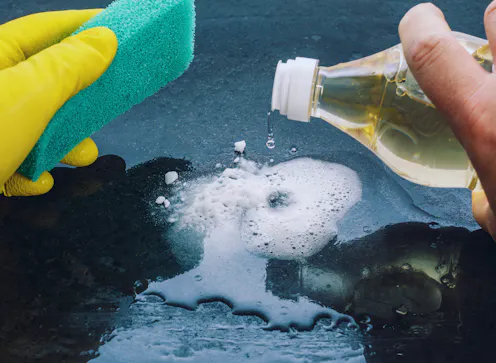
A mix of vinegar and baking soda is a popular DIY cleaner – but it’s really inefficient. A chemist explains why you should reconsider using this fizzy mixture.
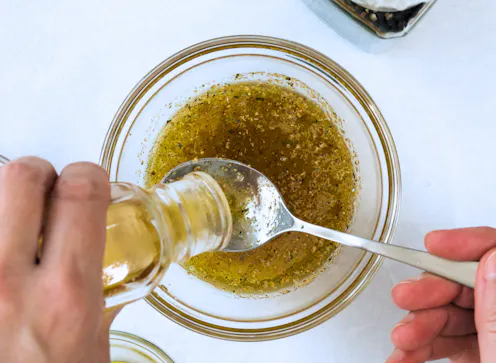
There is a large energy cost to breaking apart and mixing the water and oil layers. The secret to blending them is to add an extra ingredient known as a ‘surfactant’ or emulsifier, like mustard.
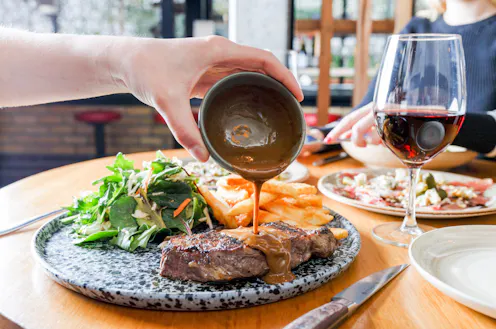
Roasting meat sets off a cascade of chemical reactions. With a bit of kitchen chemistry know-how, you can use these reactions to your advantage when you make gravy.
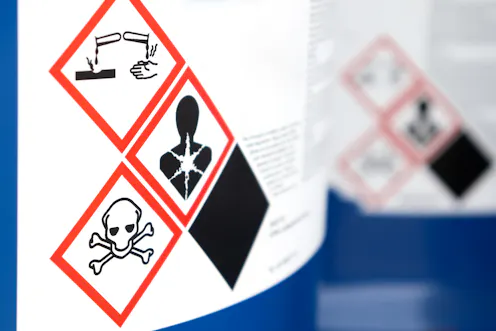
How dangerous is borax? And what’s the best way to judge the toxicity of everyday household products?
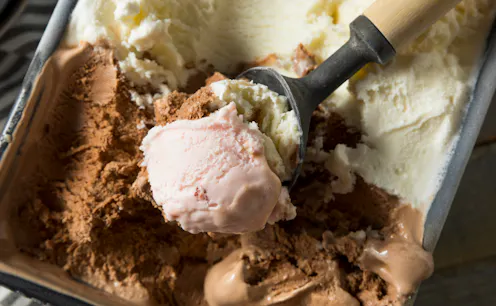
It might seem like a simple concept, but to get ice cream right, you need three states of matter and a delicate interplay of chemistry.
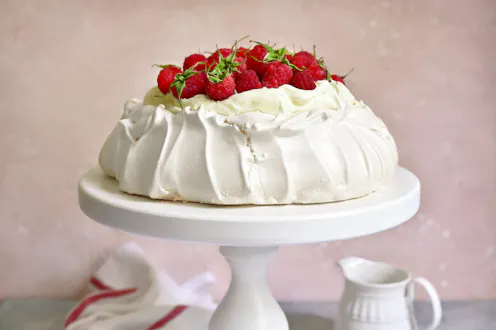
Why should you not beat your eggs in a plastic bowl? Can you save an over-beaten meringue? And is there a specific sugar you should use?
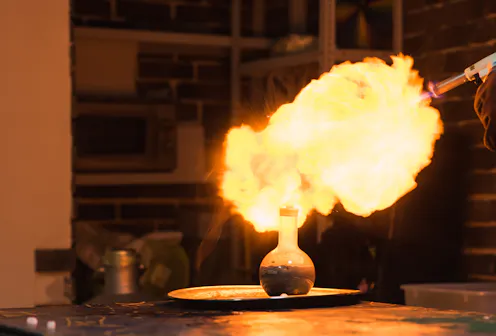
Inspiring our children to value and connect with science is key to improving society – and there are ways to do this safely in the classroom.
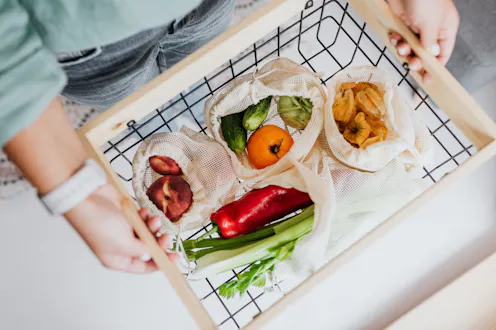
UK supermarket chains have dropped the use of “best before” date labels to reduce the amount of food being thrown out when it’s still perfectly edible. It’s just as big a problem in Australia.
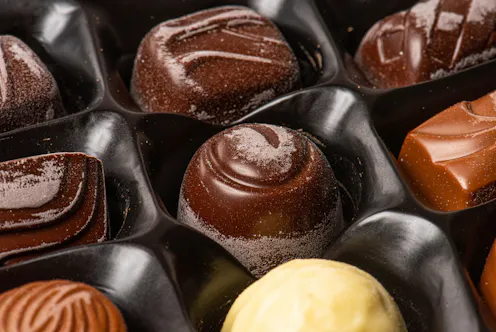
It’s totally fine to eat chocolate with a white film on the surface. But what is it, how did it get there, and how can it be avoided?

I have been interested in the science of fire and fireworks for a long time, and can tell you there is a lot happening in the very short time it takes to light a match.
Contact Nathan for
- General
- Media request
- Speaking request
- Consulting / Advising
- Research collaboration
- Research supervision
- Location: Hobart, Australia
- Website
- BlueSky: @chemistrynathan.bsky.social
- X (formerly Twitter): @ChemistryNathan
- Article Feed
- ORCID
- Joined
