

Most local councils, developers and nonprofit providers want mandatory affordable housing requirements applied to all development. The current system of voluntary negotiations just isn’t working well.
- Research Coordinator, University of Toronto

Many of Canada’s residents, including essential workers, have no choice but to ride transit. Service cuts may cripple their access to essential destinations if governments do not intervene.

People on the minimum wage can afford only 2% of private rentals and only 1% if on the pension. Affordable housing requirements are often mandatory overseas, but Victoria is relying on negotiation.

Cities overseas that have been able to overcome the affordable housing challenges facing cities like Melbourne have adopted a coordinated and systemic approach to scaling up solutions that work.

As Melbourne’s population hits 5 million, it’s a reminder that growing cities must make much better use of vacant and underused land to meet the urgent need for affordable housing.

The Victorian government isn’t alone in seeking private partners to renew public housing. What is notable is its lack of transparency by comparison with such arrangements elsewhere.
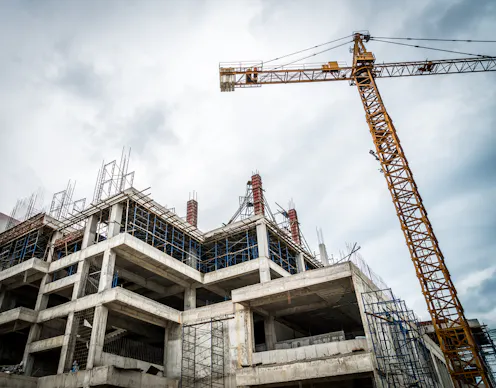
A modest rebalancing of federal tax policy toward build-to-rent housing could fill affordable housing funding gaps. Australian funds are already investing in such a scheme in the US.
Contact Matthew for
- Media request
- Speaking request
- Consulting / Advising
- Research collaboration
- Research supervision
- Location: Toronto, ON
- Website
- Article Feed
- ORCID
- Joined
