
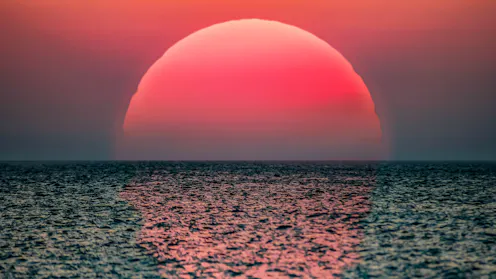
More than 90% of the heat trapped by greenhouses goes into the ocean. But what happens in the oceans doesn’t stay there.
- Director of the ARC Centre of Excellence for Our Future Oceans and Scientia Professor in Oceanography, UNSW
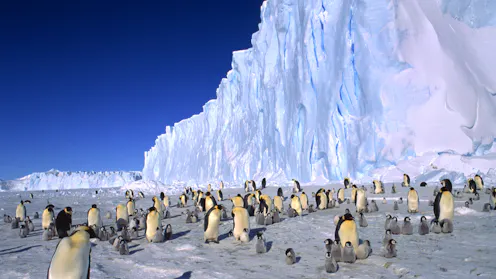
The vast ice of Antarctica has long seemed impregnable. But sudden changes are arriving – from shrinking sea ice to melting ice sheets and slowing ocean currents.

For decades, Australia has relied on data from US satellites, floats and monitoring programs. Planned deep cuts put Australian forecasting at risk
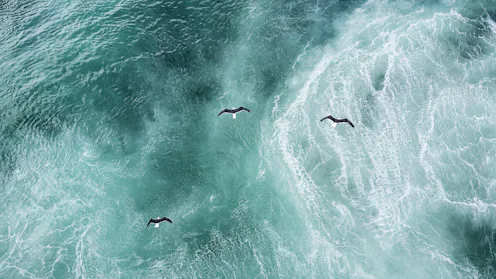
Parts of the Atlantic Ocean are again much warmer than normal, priming Europe for more extreme heat this summer.
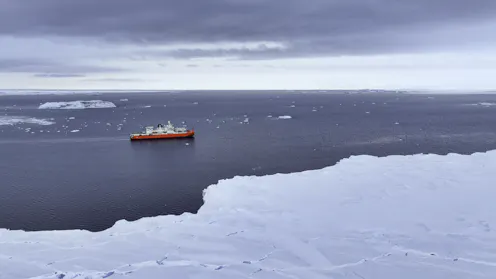
The Antarctic Slope Current shields Antarctica from warm waters. But new research shows meltwater is speeding up the current, which could make it more unstable.
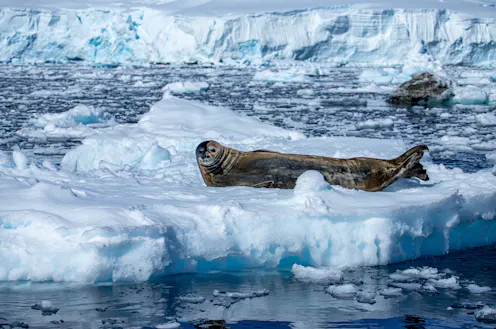
Des débris et déchets marins menacent le littoral isolé de l'Antarctique et ses écosystèmes marins uniques. Car sur ces déchets peuvent se greffer des espèces étrangères à l'Antarctique.
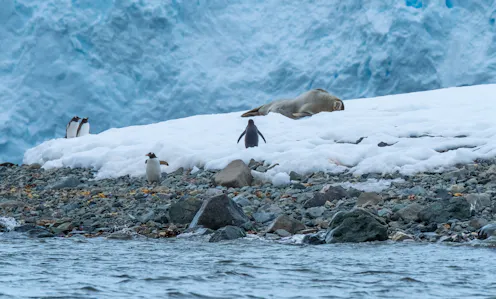
New research shows how marine debris from continents across the southern hemisphere threatens Antarctica’s remote coastline and unique marine ecosystems. Foreign organisms might be hitching a ride.
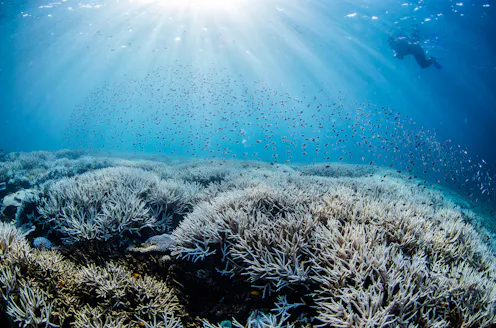
Heat is surging in the world’s oceans. Climate change and El Niño explain part of it – but not all.
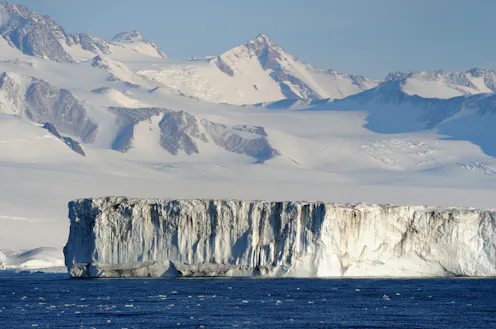
El Niño can direct more warm water to the base of West Antarctic ice shelves, accelerating melting and increasing global sea level.

Scientists have detected a 30% slowdown of the deep ocean currents that form in Antarctica, with profound consequences for Earth’s climate, sea level and marine life.
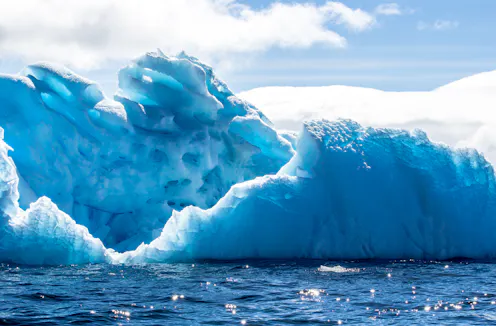
In a plot reminiscent of the 2004 movie The Day After Tomorrow?, Australian scientists are warning that the Southern Ocean’s deep “overturning” circulation is slowing and headed for collapse.
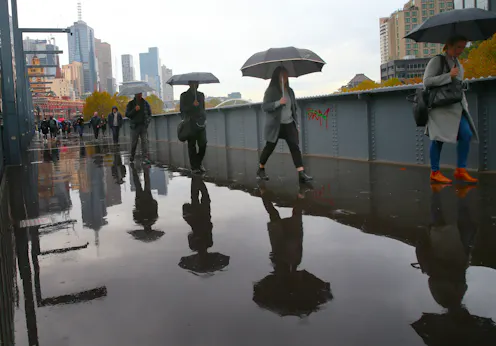
The report synthesises the latest science about Australia’s climate – and paints a worrying picture.
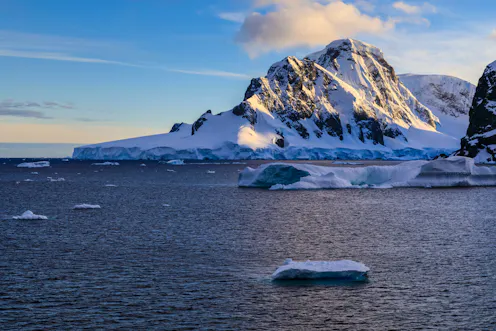
Southern Ocean heat uptake accounts for almost all the planet’s ocean warming, thereby controlling the rate of climate change.
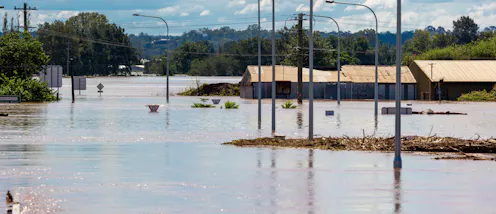
The collapse of the Atlantic meridional overturning circulation would profoundly alter the anatomy of the world’s oceans and climate. New research explores the consequences.
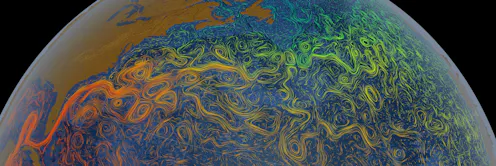
Our team discovered clear changes in the distribution and strength of ocean eddies. These changes have never been detected before.
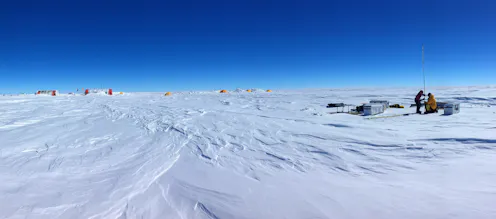
Some 58 metres of sea level rise is locked up in Antartica’s ice sheets, and it’s melting faster than expected.
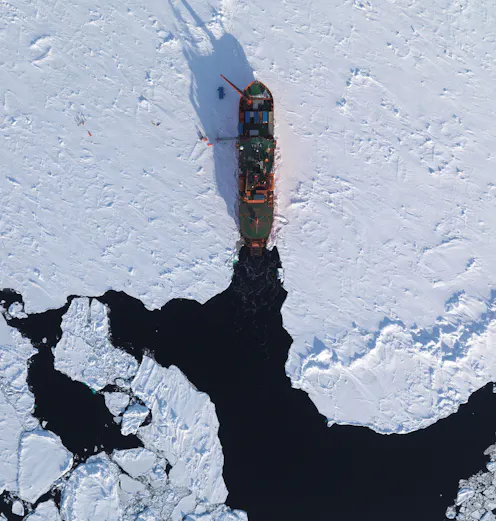
After record-breaking amounts of sea ice in Antartica, this year we’re seeing record lows.
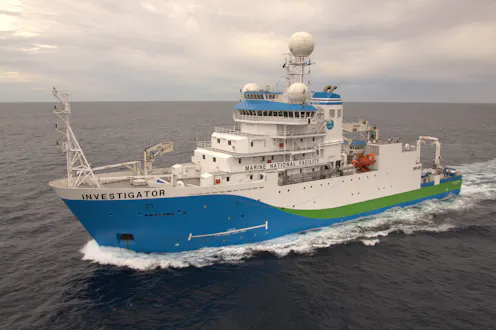
Science Minister Greg Hunt’s call for CSIRO to do a U-turn on climate research is a welcome move after months of criticism, at home and abroad, of the agency’s previous direction.
The CSIRO will create a new climate research centre in Hobart with 40 climate scientists.
El Niño is officially on, and comparing it to previous events suggests it could be big one, perhaps leading to record-breaking temperatures.
Over the past decade, warming air temperatures at Earth’s surface appear to have slowed. But that ignores the vast majority of heat going steadily into the ocean. And, a new paper shows, that makes no difference to the long-term prognosis.
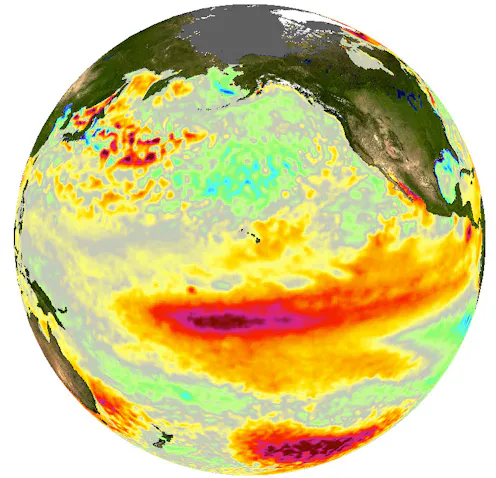
Climate models can recreate the slowdown in global warming since 1998, as long as they correctly factor in crucial variables such as the state of the El Niño system, new research has shown. The discovery…
The “pause” in global warming since 2001 can be explained by the discovery of unusually strong winds in the Pacific, climatologists have found. Global surface air temperatures have more or less flatlined…
Contact Matthew for
- General
- Media request
- Speaking request
- Consulting / Advising
- Research collaboration
- Research supervision
- Location: Sydney, Australia
- X (formerly Twitter): @ProfMattEngland
- Article Feed
- ORCID
- Joined
