
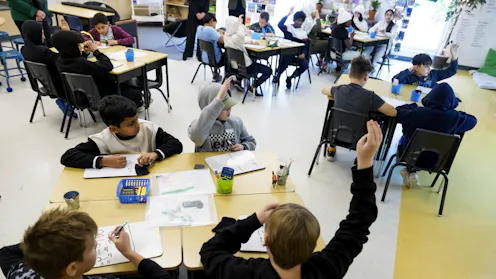
The bill is likely to create new challenges for public schools serving children and youth, as well as for university Faculties of Education aiming to prepare the next generations of teachers.
- Distinguished Professor, Faculty of Education, Brock University

Lessons from the pandemic show resilience requires targeted learning support, mental health investment, strong data systems and thoughtful digital strategies.

Justin Trudeau has resigned, but the Liberal Party faces an uphill battle heading into a federal election year. Here are some lessons from the Roman Empire on leadership and governance.

In January, named for the two-faced Roman god Janus, it’s fitting to consider how schooling can address lesser-discussed non-cognitive skills like emotional intelligence.

To boost post-pandemic math learning, a multi-dimensional approach is needed that promotes the success of the whole child: academic, physical and socio-emotional.

Pendidik perlu mempertimbangkan dengan cermat ChatGPT dan perilaku curang untuk bergerak menuju sistem penilaian yang dapat memanfaatkan alat bantu AI.

Educators need to carefully consider ChatGPT and issues of academic integrity to move toward an assessment system that leverages AI tools.
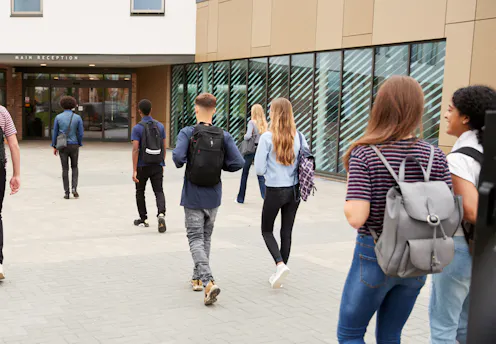
COVID-19 has challenged teachers’ abilities to provide students with chances to learn and to report on student learning.
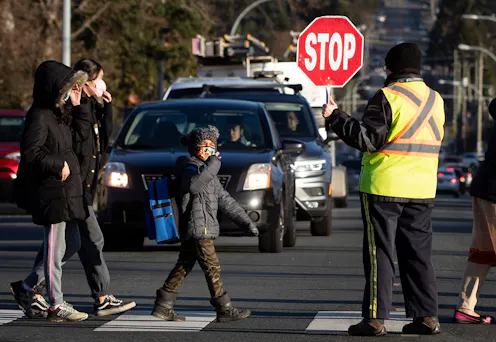
Comprehensive early childhood education, mental health support, internet connectivity and post-secondary funding are part of reducing the consequences of poverty so all students may excel.
Letting parents choose which school their child attends positions parents as consumers, and often diverts students and funding away from public schools.
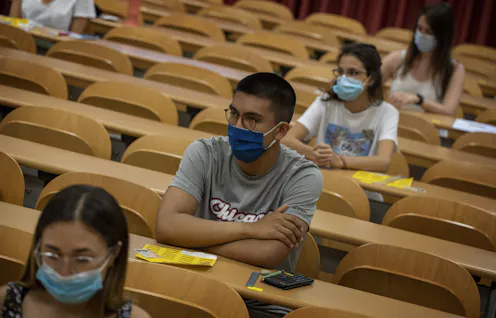
The COVID-19 pandemic has dramatically accelerated a growing shift to test-optional admissions policies or scrapping entrance tests altogether.
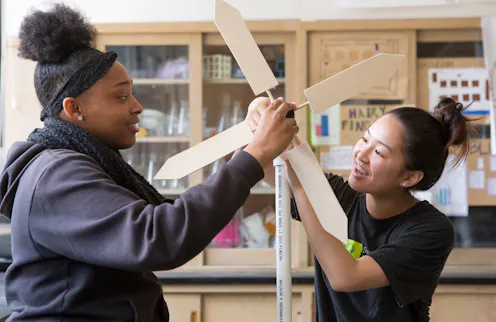
Teachers could better support young people’s scientific inquiry into urgent planetary and social issues if school testing valued practical science.

In a social emergency due to COVID-19, schools are moving into uncharted territory where student assessment will need to flexibly and equitably adapt to changing circumstances.
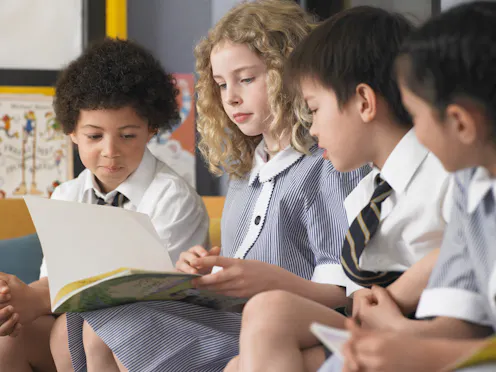
Closing the reading achievement gap continues to be a pressing global challenge.

Implementing educational policies that promote long-term achievement and attainment is possible, but requires going beyond news headlines.

While the purpose of education can’t be reduced to promoting economic growth, every child out of school represents both lost opportunities — and huge economic costs — for countries.

The stakes could be highest for students around the world as education systems decide how to respond to the changing shape of global standardized testing.

Are current forms of standardized literacy tests really measuring children’s capacity to read and interact with our rapidly-changing world?
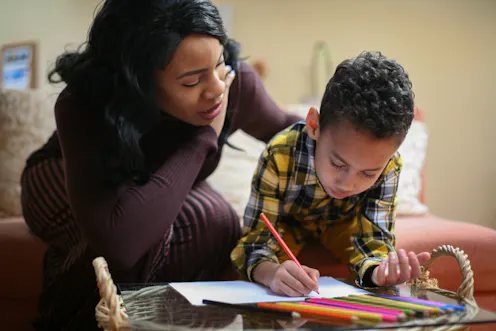
Educational experts offer tips for parents and teachers to help children manage test anxiety but find that overall, policy-makers need to re-think what matters in schools and what’s worth measuring.
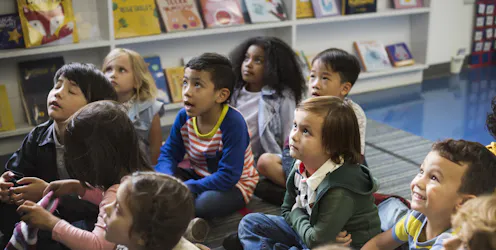
Culturally-responsive student assessment and evaluation is key to student success in diverse, globalized societies.

Conventional wisdom across much of the Western world says there’s a strong link between education and upward social mobility. Really?
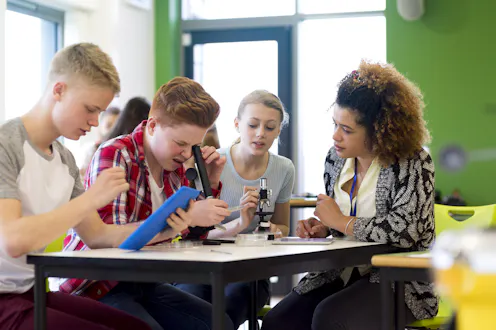
Recent news that at least one Ontario university adjusts for grade inflation during the undergraduate application process is a call to action – for long-term educational change.
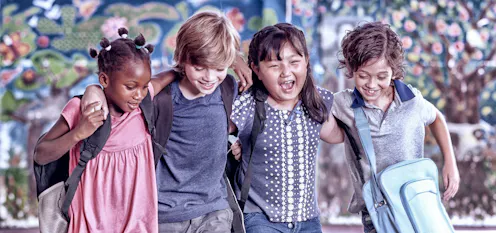
First and second-generation immigrants perform well in many Canadian provinces that take an “accommodation” approach.
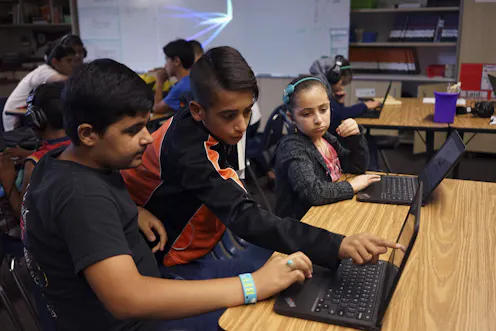
The future of our country depends on our youth. Many of our youth are immigrant students and we need to understand how to best support them so we can thrive as a nation.
Contact Louis for
- General
- Media request
- Speaking request
- Consulting / Advising
- Research collaboration
- Research supervision
- Location: St. Catharines, Ontario
- Article Feed
- ORCID
- Joined
