
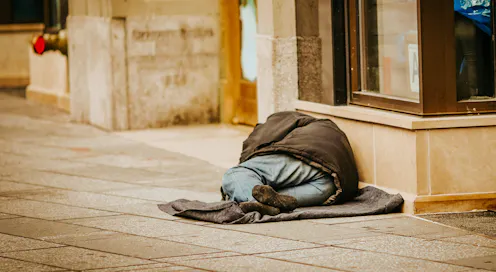
A new study has revealed how many homes would be needed to end rough sleeping in three major Australian cities – and the costs.
- Research associate, The University of Melbourne
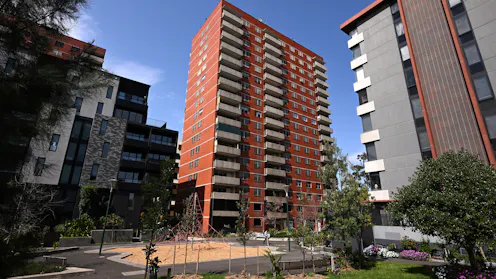
The $10 billion housing future fund will build 30,000 new social and affordable homes. While the scheme is welcome, there is plenty of room for improvement.
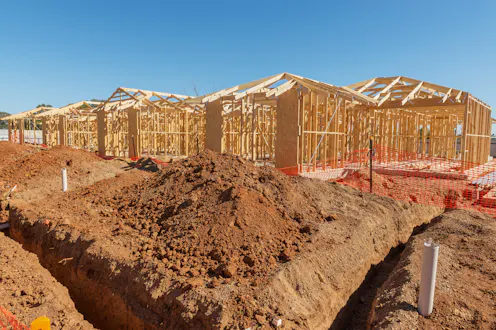
The shortfall of social housing has built up over decades. Even after the building program is complete, the gap between housing supply and the numbers on waiting lists will still be huge.
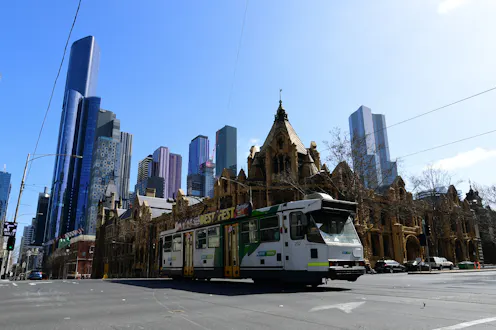
We asked an epidemiologist, an academic who researches sharehouses and a philosopher to reflect on Victoria’s new coronavirus rules.
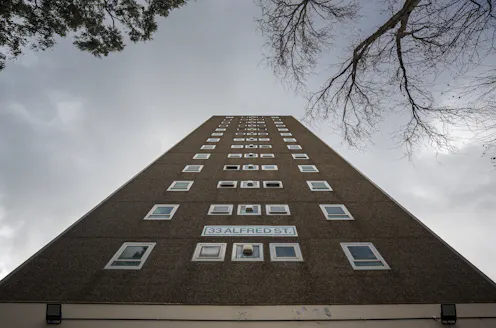
Much of our public housing stock is ageing and substandard. But we can learn from outstanding examples of retrofit projects that have transformed existing blocks into high-quality housing.

Most local councils, developers and nonprofit providers want mandatory affordable housing requirements applied to all development. The current system of voluntary negotiations just isn’t working well.
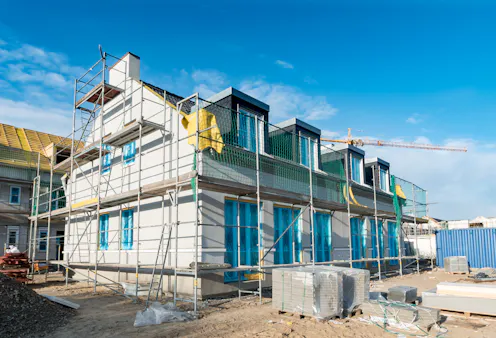
People on the minimum wage can afford only 2% of private rentals and only 1% if on the pension. Affordable housing requirements are often mandatory overseas, but Victoria is relying on negotiation.
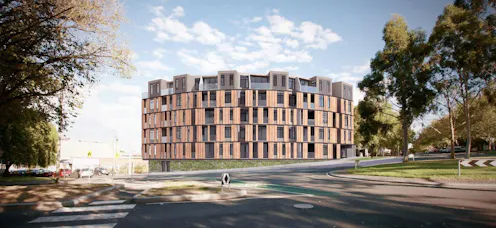
Shared equity models have a dual benefit of making home ownership affordable for people on modest incomes and freeing up scarce social housing for other households in need.
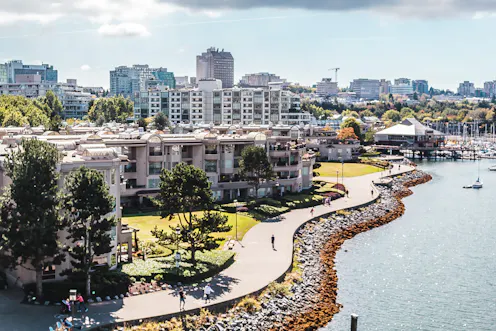
Cities overseas that have been able to overcome the affordable housing challenges facing cities like Melbourne have adopted a coordinated and systemic approach to scaling up solutions that work.
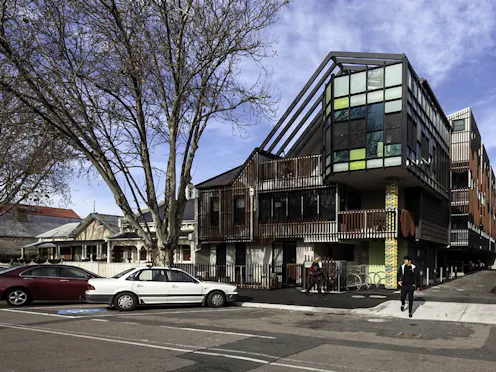
As Melbourne’s population hits 5 million, it’s a reminder that growing cities must make much better use of vacant and underused land to meet the urgent need for affordable housing.
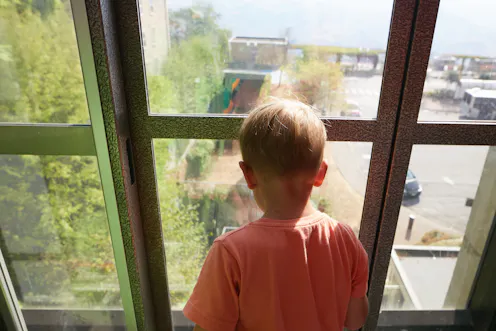
Urban policies are based on assumptions of a “normal household” and what buildings for it should look like. So this research project explored how people feel about children in high-density housing.
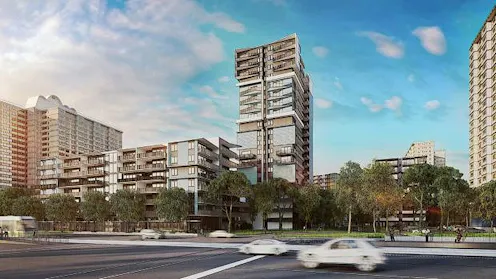
The Victorian government isn’t alone in seeking private partners to renew public housing. What is notable is its lack of transparency by comparison with such arrangements elsewhere.
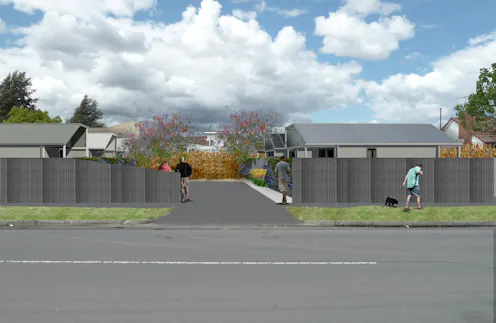
An innovative collaboration between government, a non-profit group and philanthropists has found a way to provide urgently needed housing on land that would otherwise be left vacant for years.
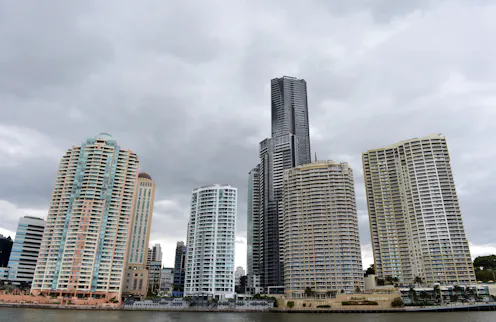
Research suggests stakeholders’ understandings of urban consolidation vary. And they often subvert policies to suit their own ends.
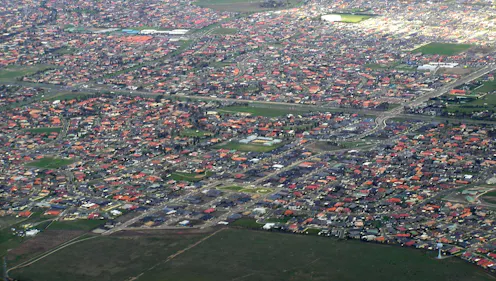
Victoria has been lagging behind other states in developing an affordable housing strategy. Now that one has been released, how well does it meet the needs of households on lower incomes?
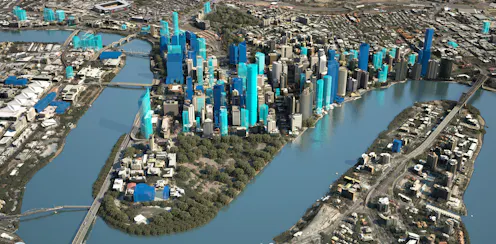
In the media, urban consolidation is often depicted as a threat to Australian suburban life. In reality, it’s a result of managed planning processes to ensure growing cities remain liveable.
Contact Katrina for
- General
- Media request
- Speaking request
- Consulting / Advising
- Research collaboration
- Research supervision
- Location: Melbourne, Australia
- LinkedIn: https://www.linkedin.com/in/dr-katrina-kate-raynor-27634a54/
- X (formerly Twitter): @katrinaeve
- Article Feed
- Joined
