

Getting into uni isn’t the only challenge. Students also need to be able to afford to stay.
- Senior Lecturer in Nutrition and Dietetics, University of Wollongong

In regional NSW, 1 in 3 people experienced food insecurity in the past year. The rate was double for those who were socially isolated or had a mental illness.

Food insecurity is widespread and shaped by disadvantage – and has serious health consequences.
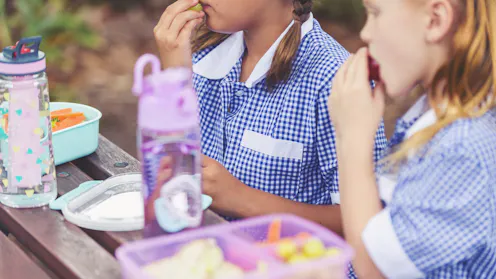
Australia is one of the few high-income countries that does not provide children with a daily nutritious meal at school.
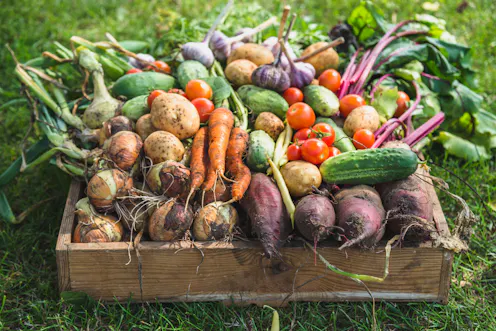
Food co-ops are local groups where people join together to buy food in bulk, usually straight from farmers or wholesalers.

The survey tracked students in Tasmania in 2022 and 2024. More than a quarter are often going without food because they can’t afford it.

A country of plenty like Australia should be able to ensure no one is denied their right to adequate food. But food insecurity is on the rise, and we aren’t even properly monitoring the problem.
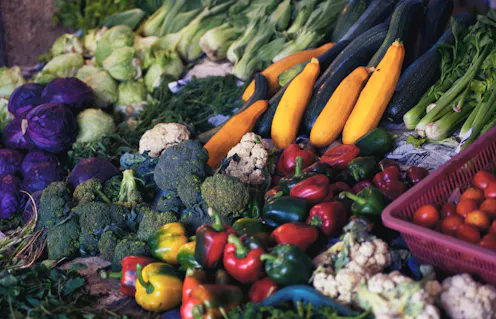
An Australian-first study found 16% of surveyed staff at one university experienced food insecurity over the past 12 months.

As well as being a favourite seasonal fruit, a bioactive compound found in cherries is showing promising effects for brain health.
Contact Katherine for
- General
- Media request
- Speaking request
- Consulting / Advising
- Research collaboration
- Research supervision
- Location: Wollongong, Australia
- Website
- LinkedIn: https://www.linkedin.com/in/katherine-kent-1/
- X (formerly Twitter): @drkatherinekent
- Article Feed
- ORCID
- Joined
