
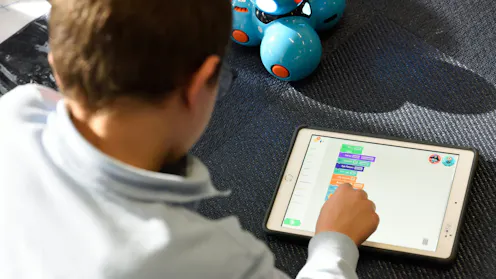
Parents, teachers and students were all surveyed as part of a new study looking at how screens are used in NSW schools.
- Researcher, Digital Wellbeing, Western Sydney University
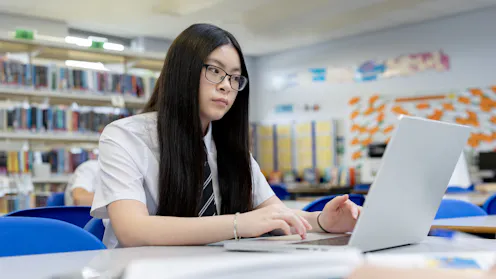
The research tells us there is no ‘magic screen time number’ to guarantee quality learning. It depends how the technology is used and for what.

Taking regular breaks from technology seems like a good idea. A digital wellbeing expert explains if that’s backed by science.
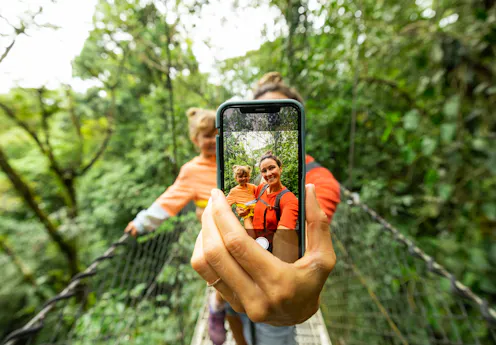
We need a deeper understanding of what exactly children’s safety and wellbeing online looks like.
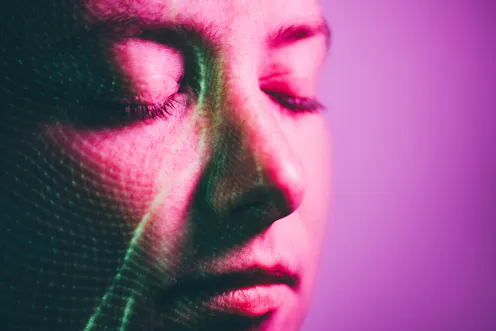
Before you scan your face, you might want to think twice about the risks.
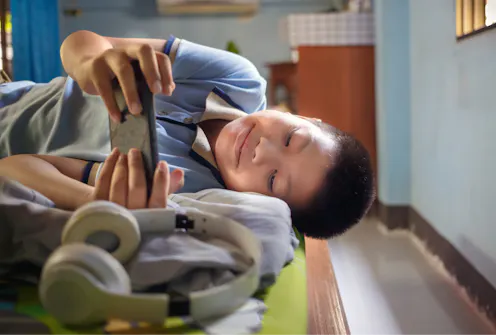
All experts expressed broader concerns about the upcoming age restrictions for social media users in Australia.

Before you turn on the TV, remember Adolescence is not a documentary. It is a drama series. And the issues it raises require care and nuance.
Quand faut-il envisager de donner un téléphone à son enfant ? Il n’existe pas de réponse universelle à cette question, mais une chose est sûre : l’âge n’est pas le seul critère à considérer.
The new school year doesn’t automatically mean a child should get a smartphone. But if they do, there are 3 vital conversations you need to have first.
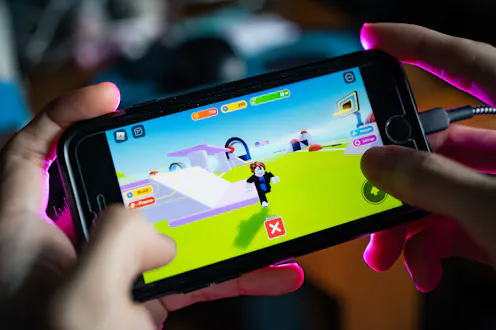
More safety features that don’t just revolve around parents are needed to keep kids safe on Roblox.
After briefly ‘going dark’, TikTok has returned to the screens of users in the US. But the situation remains slippery.
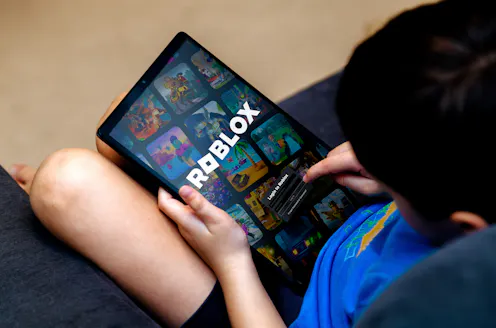
The globally popular virtual gaming platform has now become a place for young people to engage with politics in the real world – including registering to vote.
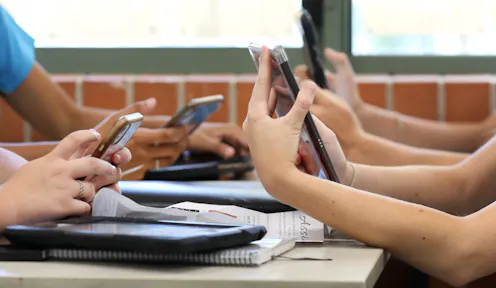
Instead of just banning young people from social media, the government should develop and fund better social media literacy programs for them.

A social media ban only delays young people’s exposure to these platforms. It does not help them learn how to deal with them.
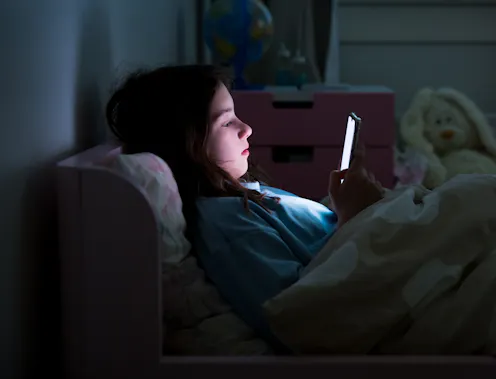
Is it reasonable to occasionally inspect a 13- or 14-year-old’s device, or does this undermine a new sense of privacy at this stage?
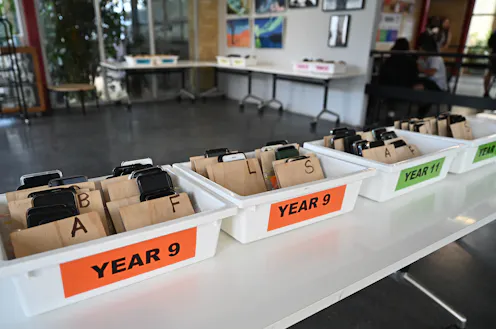
Federal Education Minister Jason Clare says he wants a national approach to mobile phone bans in Australian schools.
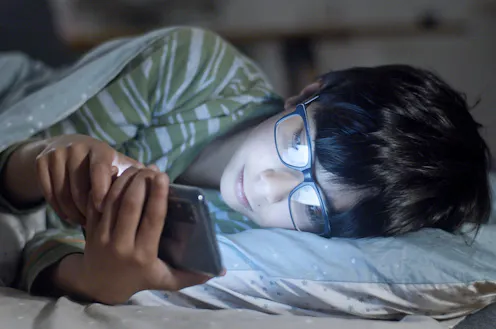
Parents may well feel the need to ‘crack down’ on kids’ screentime. But a whole-family approach might be more successful.

Findings from a Victorian coroner’s report remind us we still don’t fully understand how problematic gaming ties into other factors in a person’s life.
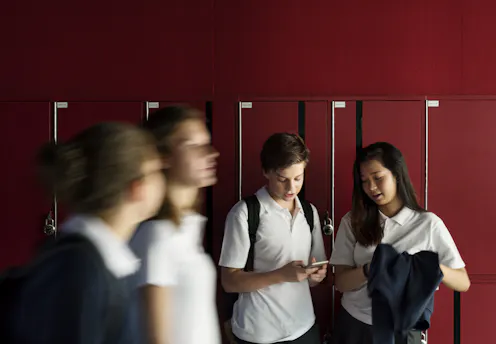
Classrooms should not be a free-for-all TikTok fest. But we need to support children to learn how to concentrate and function in a digitally-saturated world.
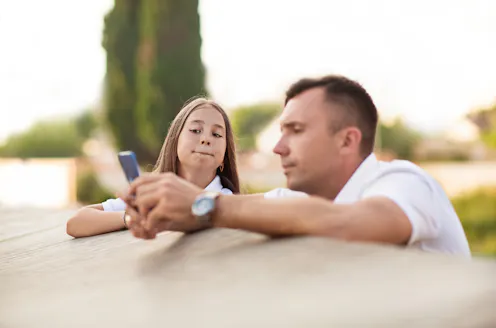
Their social media feeds contain images of tanks, bombs and war-style propaganda. Here’s how to help them navigate social media ‘news’ content about war, while minimising any distress.
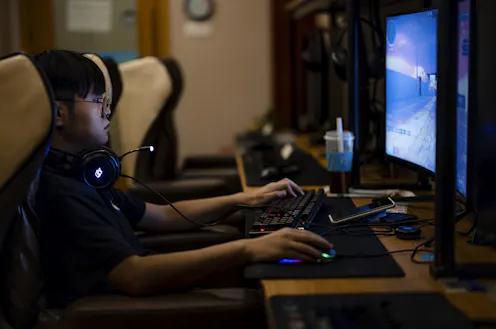
China’s ruling may reduce video game play at first. However, one thing we know for sure is that the online world always adapts.
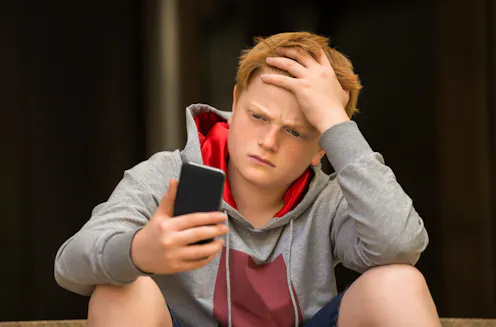
Twitter pile-ons, online celebrity bashing, or knee-jerk reactions are part of an increasingly toxic environment children are being exposed to that risks normalising hate.
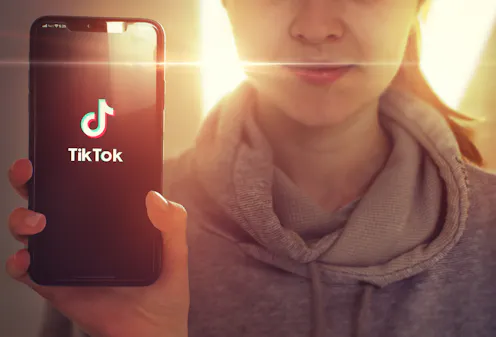
TikTok is caught in a political battle between the US and China but children are still using the video-sharing app. Here are some tips on how to make sure they are safe.
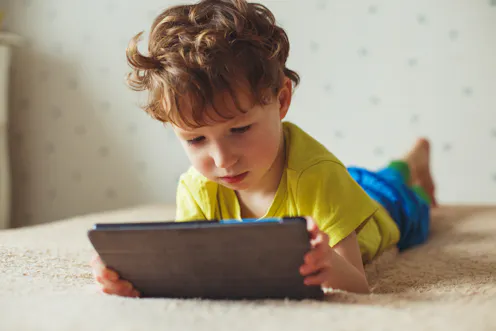
Screen “time” gets all the airplay, but with families confined to home – screen quality and screen buddies – are just as important, if not more, for healthy technology use.

Nous avons demandé à cinq experts si les médias sociaux étaient dommageables pour les enfants et les adolescents. Quatre sur cinq ont répondu oui.
Contact Joanne for
- General
- Media request
- Speaking request
- Consulting / Advising
- Research collaboration
- Research supervision
- Location: Sydney, Australia
- Website
- Article Feed
- Joined
