
We asked five experts if social media was damaging to children and teens, and four out of five said yes.
- Researcher, Digital Wellbeing, Western Sydney University
Instagram’s experimental move to hide the ‘like’ count on social media postings could lighten the mental strain for many users - or simply turn comments into the new likes.
L’OMS a officiellement reconnu l’existence de la dépendance au jeu vidéo. Celle-ci n’est pas uniquement définie par une durée de jeu excessive : apprenez à la repérer chez vos enfants, et à remédier.
La Organización Mundial de la Salud ha incluido este trastorno en su lista de enfermedades. Consiste en algo más que jugar horas y horas delante de una pantalla. He aquí cómo detectar este problema y lo que se puede hacer al respecto.
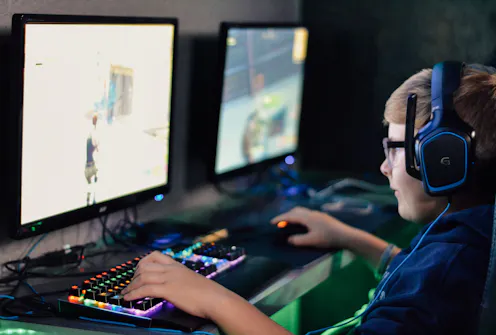
The World Health Organisation has classified gaming disorder as an addiction. But it involves more than just playing videogames for hours on end. Here’s how to spot it and what you can do about it.
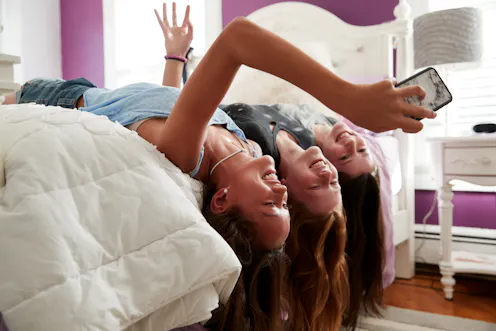
Nearly half of teens say the effect of social media is neither positive nor negative on them; it is just life as they know it. So let’s support them through the highs and lows.

Six tips on how to check out that latest online threat that’s targeting your children. How you can easily tell if it’s real or just another hoax?
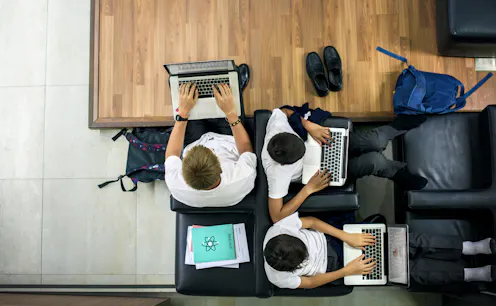
While shifting cyber safety education beyond privacy is a step in the right direction, teachers already have to contend with an overcrowded curriculum.
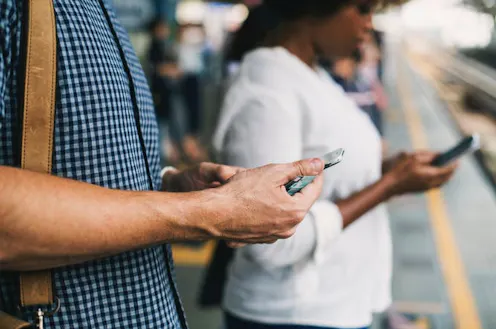
Berikut empat langkah yang dapat membantu Anda menggunakan fitur-fitur terbaru untuk memantau dan mengubah kebiasaan teknologi kita.
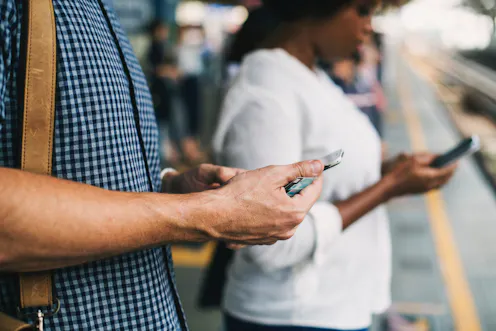
Our unproductive ‘zombie’ screen hours can creep up – but they don’t need to rule us. Here are four steps to help you use new tools to monitor and change your technology habits.
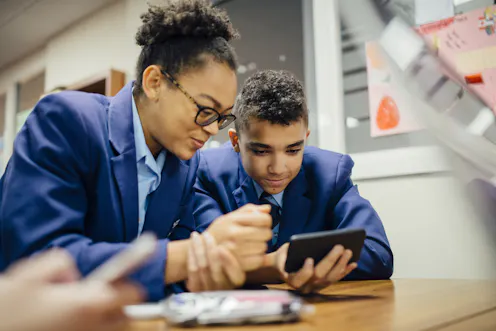
Four out of five experts say we shouldn’t ban mobile phones in classrooms.
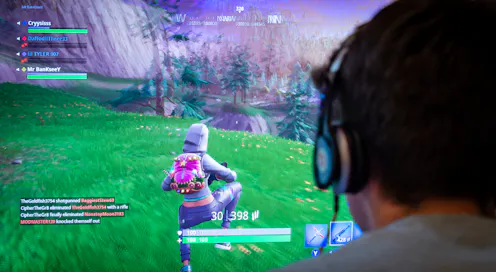
If your child is keeping their grades up and maintaining friends and hobbies, then their gaming activity is likely not a disorder or addiction.

We should consider the messages that violence and aggression in sports of all kinds give children and young people – and devise strategies to lessen the impact.

Parents – stop panicking. Teens use secondary Instagram accounts not to be sneaky, but to show their “non-polished” selves and connect with small groups of true friends.
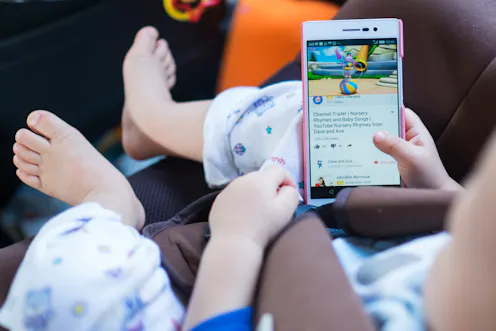
Lebih dari 300 jam tayangan diunggah ke YouTube tiap menitnya. Banyak yang kurang ajar membuat parodi tidak pantas dari karakter yang disukai anak-anak. Mengetahui dan hati-hati menjadi langkah awal.
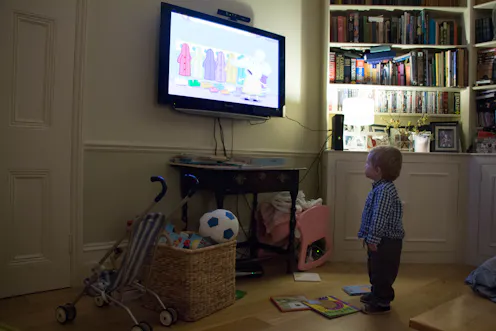
More than 300 hours of content are uploaded to YouTube every minute - and many children’s clips are unauthorised, sneaky or even disturbing. Being aware is the first step.
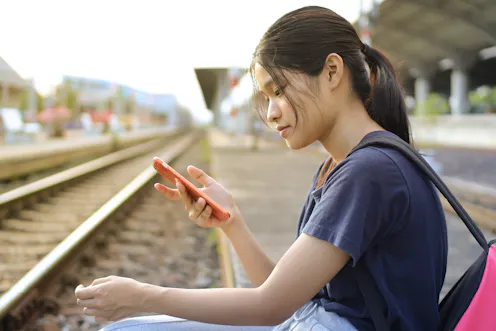
We need to shift the focus away from parenting that relies on threats and rewards, to one that nurtures meaningful parent-child and child-technology relationships.
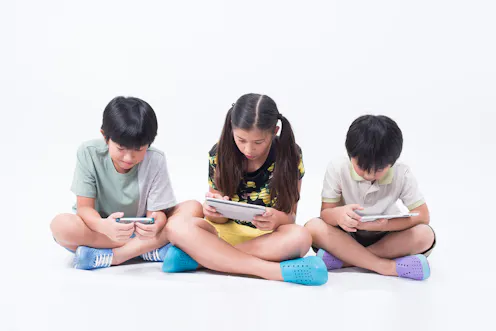
Anda khawatir anak Anda tersesat dalam menggunakan media sosial? Ada hal-hal baik dalam media sosial yang perlu kita kenali agar memudahkan kita memandu anak.
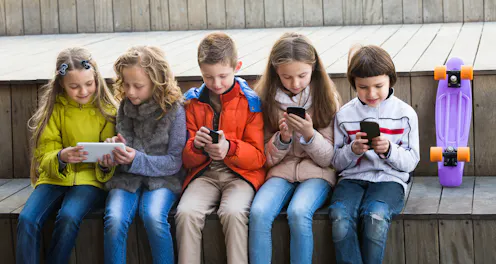
Social media provides many emotional, health and social benefits for young people.

We must have open conversations with kids so they’re able to identify reliable news online.
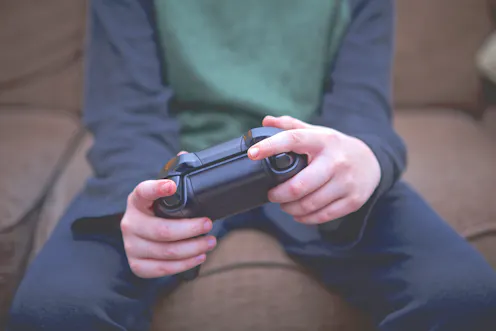
Bo, aged nine, wants to know why adults think video games are bad.
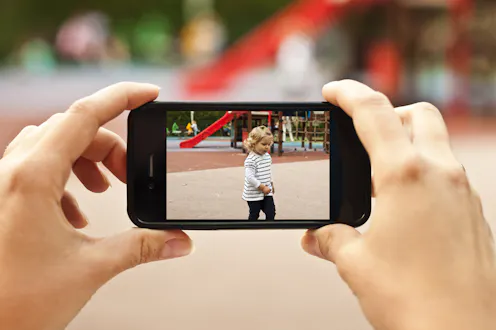
Many parents love sharing photos of their children on social media. But they should stop and think about how it might affect their children, now and in the future.
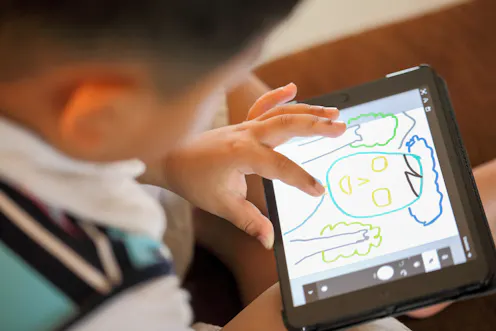
Updated guidelines for how much screen time children can have puts most of the onus on the parents to decide.
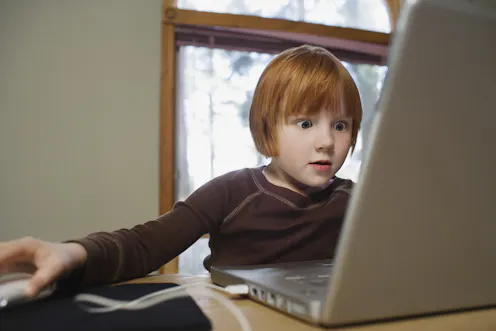
Online porn is big business and has plenty of adults viewing the content. But young children can also be exposed to porn, and much of that comes from accidental or unwanted exposure.

Children’s use of screens for fun and education have changed a lot over the years, so why haven’t the rules on acceptable screen time kept up?
Contact Joanne for
- General
- Media request
- Speaking request
- Consulting / Advising
- Research collaboration
- Research supervision
- Location: Sydney, Australia
- Website
- Article Feed
-
- Joined
