
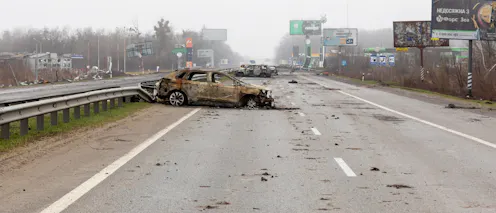
Lacking staff, Ukraine’s rural communities are missing out on crucial reconstruction funding.
- Reader in Cultural Geography and Communication, University of Westminster
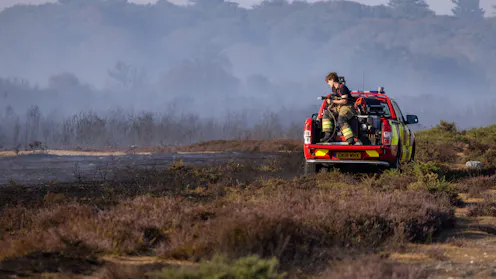
The names we give wildfires can obscure our role in them.
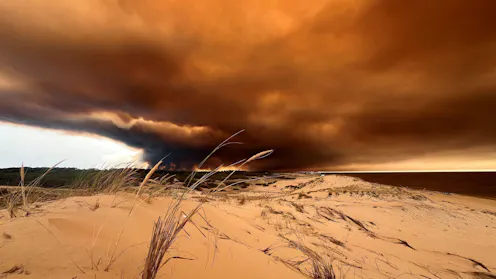
A wildfire can be explained by today’s barbecue, yesterday’s wind direction, a dry spring, four decades of land use change, or a century of emissions.

Budgets are now climate policy. But mainstream media hasn’t caught up.
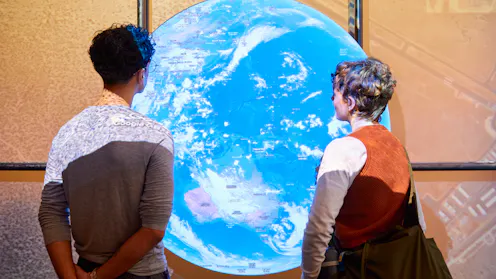
Maps have always both granted power and threatened it, depending on who controls the data, the scale and the narrative.

Key climate finance terms explained by experts.
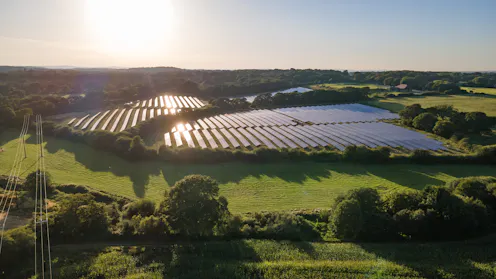
The government hopes that by focusing on sectors that drive growth it will attract investment and boost prosperity.
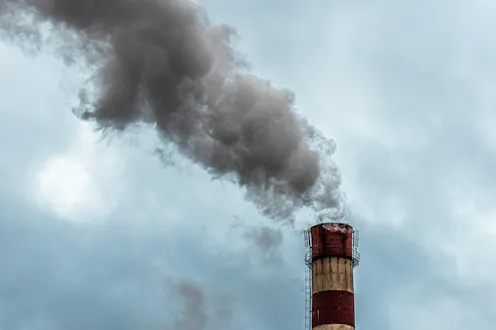
The low submission rate undermines the global commitment to climate action.
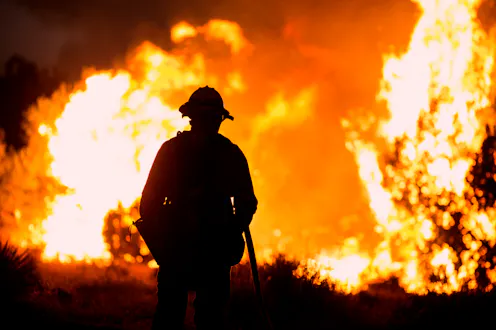
Private firefighters in affluent LA neighbourhoods are a sign of an increasingly privatised response to disasters.
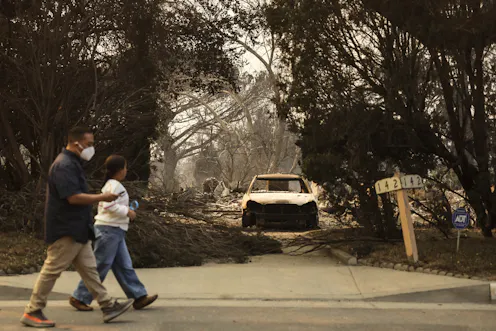
The heath-related impacts of climate change will reach US$1 trillion a year by 2050.

Maps can shape how we see conflict.

Online life produces a surprising amount of emissions that need to be tackled alongside physical e-waste.
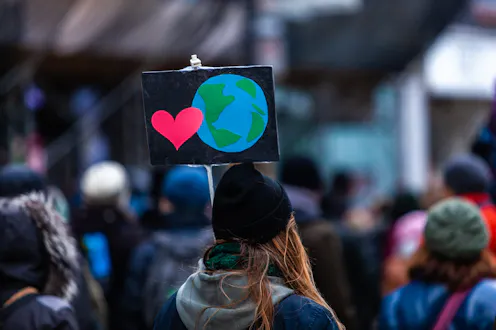
How Extinction Rebellion and Fridays For Future upended the rules of environmental activism.
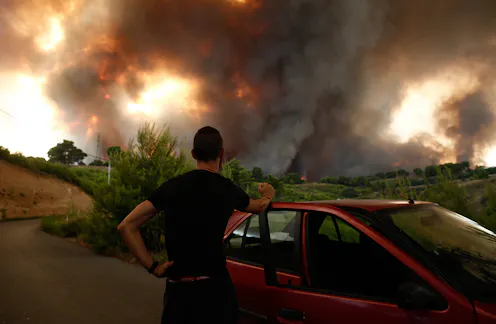
Climate disasters are drawing comparisons to apocalyptic films. Their happy endings may have given us a false sense of hope.

An algorithm driven world is dehumanising – but by understanding this we can call for a more equitable and human use of data.
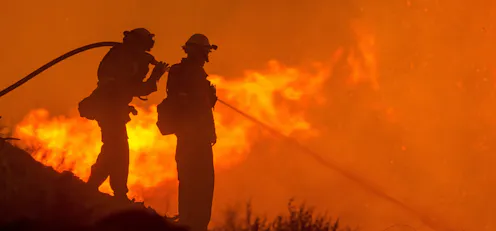
It’s comforting to blame California’s wildfires on human stupidity. But this hides a very uncomfortable truth.

How did one student’s anti-BBC social media campaign take off so rapidly?

Los lectores tienen que intentar dilucidar qué es correcto y qué no. Internet les exige que lean como un científico, aun sin el entrenamiento necesario.

Banyak berita yang menyesatkan, mulai dari Virus Korona hingga perubahan iklim.

From coronavirus to climate change, it’s easy to be misled by some reporting.
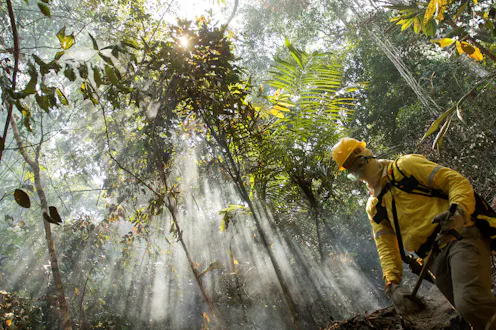
You didn’t cause the fires, but you can help prevent them spreading.

Social biases in digital tech create racist face recognition software and sexist hiring tools, but more data collection isn’t the answer.

Nayib Bukele is an ambitious 37-year-old, who claims to transcend partisan politics, and who prefers Facebook Live to press conferences.

Sudah jelas bahwa kesadaran yang lebih besar dari potensi risiko bekerja dengan konten online berbahaya diperlukan baik di universitas maupun di ruang redaksi

Dealing with graphic videos and images can harm journalists’ mental health.
Contact Doug for
- General
- Media request
- Speaking request
- Consulting / Advising
- Research collaboration
- Research supervision
- Location: London, United Kingdom
- Website
- X (formerly Twitter): @DougSpecht
- Article Feed
- ORCID
- Joined
