
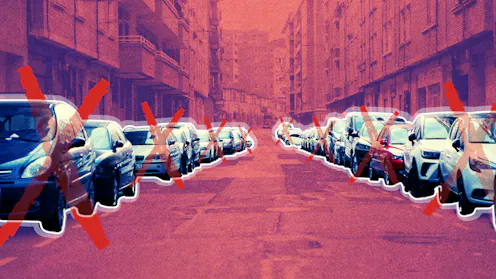
Australia largely has enough off-street parking to do away with unsightly kerbside parking – and free up space for bikes, pedestrians and scooters.
- Associate Professor in Urban Planning, The University of Queensland

The first step is rethinking the way we view housing – as home and shelter rather than an investment or commodity.

Some are calling for Australia to follow in the footsteps of other countries that are mandating WFH or shorter weeks. Here’s what the evidence says.
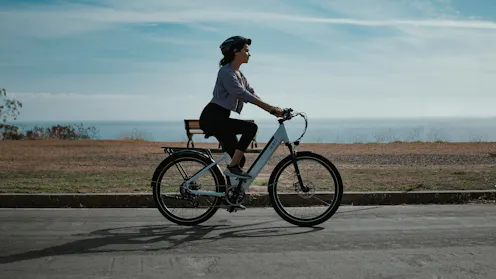
A legal e-bike is just as safe as a regular bicycle, and shouldn’t be subjected to different rules.
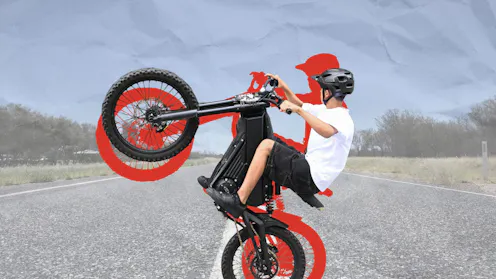
From serious injuries to thrill-seeking rideouts, teens on overpowered e-bikes have provoked a media frenzy. But the risks of these vehicles is very real.
Conquering hills, commuting without a sweat and carrying cargo – e-bikes encourage more people to get out of their cars.

Working from home has become a contentious election issue, particularly for the Coalition which has swung from opposing to embracing it.

Home ownership is often cast as the default goal for every Australian. But that stigmatises renters, who make up nearly a third of all Australian households.
Male cyclists greatly outnumber female cyclists in Australia. New research points to ways to close the gap.
COVID-19 halted immigration and housing affordability got much worse. We’d feel the impacts of internal migration and undersupply of affordable housing even if we again blocked migrants from overseas.
There are no ‘silver bullet’ solutions to a crisis that has left both renters and owners struggling. Only a comprehensive package of bold policies can ensure all Australians are securely housed.
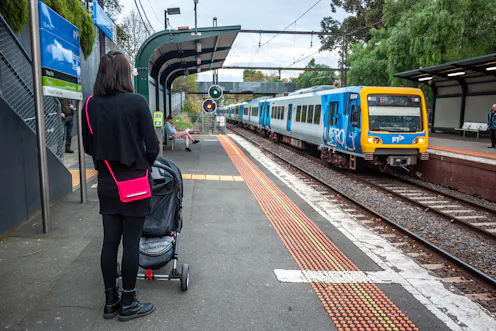
The layouts of our cities and their transport systems were not planned with women in mind. Inflexible services and inconveniently located schools, childcare and workplaces pose daily challenges.

Scooter share schemes actually become more popular in hot weather, as people turn to them to avoid breaking a sweat

Most new capitals are dreary, overpowering, underserviced and unaffordable. Here’s how Nusantara, Indonesia’s new planned capital, can avoid the same pitfalls.

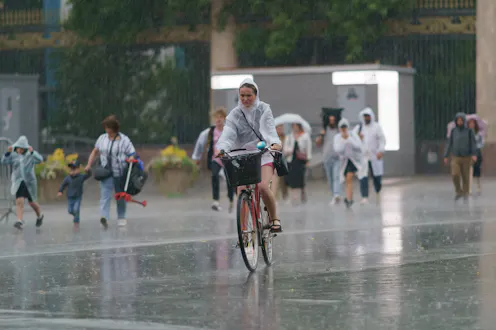
Cyclists in Melbourne are less likely than those in Dublin or Seville to ride in the rain. Understanding why is crucial.

The global trend is to free up valuable city space by reducing parking and promoting other forms of transport that don’t clog roads and pollute the air. Australian cities are still putting cars first.

The inner cities of Australia’s major state capitals are failing to meet the needs of families in terms of space, amenities and affordability.
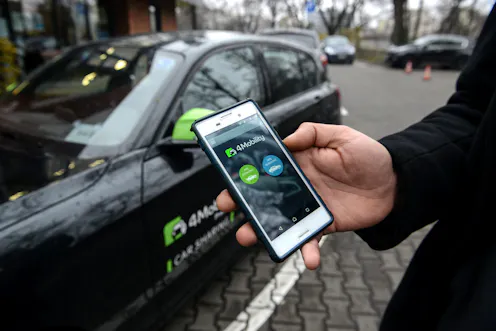
Investment is pouring into urban technology, much of it into innovative ventures that aim to transform how we get around our cities.

Apps that seamlessly combine all our travel options could be the most significant transport innovation since the automobile, but early trials show government policy support is vital to make MaaS work.
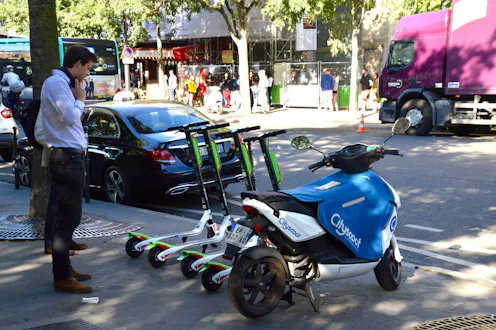
Shared electric scooters appeal as a way to cover that awkward distance between public transport stops and your destination. But first e-scooter operators must solve the littering and dumping problem.
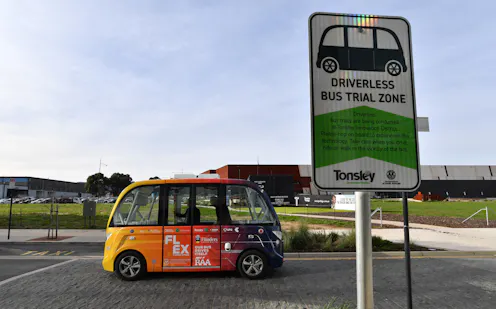
To maximise the benefits and limit the costs, the use of autonomous vehicles should be pooled and their access to the city restricted.
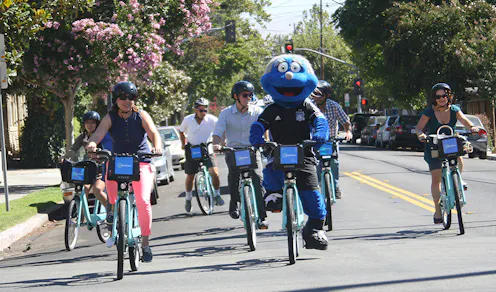
Urban planners often hope bike-share schemes might reduce reliance on cars and help with congestion. But very few of those who use share bikes have switched from driving.

Dockless or stationless bike sharing is risky business, relying a bit too much on common decency. Bike sharing schemes can work, but they may need to forego user convenience for bike safety.

Women encounter many difficulties in cities that are products of male design and planning. We need to move past the practice of one group shaping our world on behalf of everyone else.

The relationship between weather and our travel choices is complicated. We can’t change the weather, but, with many other factors in play, good policy and design can reduce its impacts.
Contact Dorina for
- General
- Media request
- Speaking request
- Consulting / Advising
- Research collaboration
- Research supervision
- Location: Brisbane, Australia
- Website
- Article Feed
- ORCID
- Joined
