
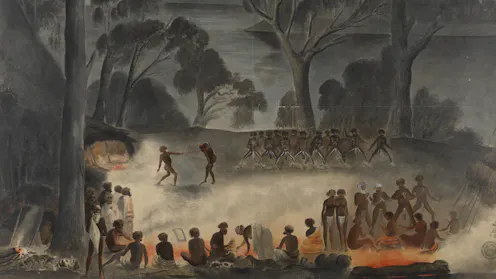
Genetic, archaeological and environmental evidence suggest the Indigenous population fell by more than 90% in the 70 years after the British invaded.
- Matthew Flinders Professor of Global Ecology and Node Leader in the ARC Centre of Excellence for Indigenous and Environmental Histories and Futures, Flinders University
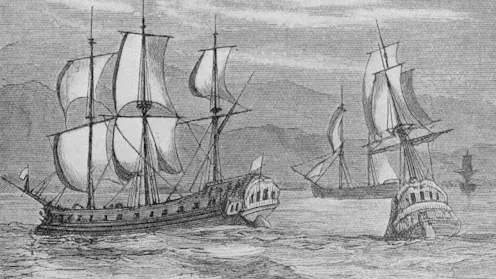
New mathematical modelling shows the first smallpox epidemic among Aboriginal people in the Sydney region may have spread thousands of kilometres and lasted decades.
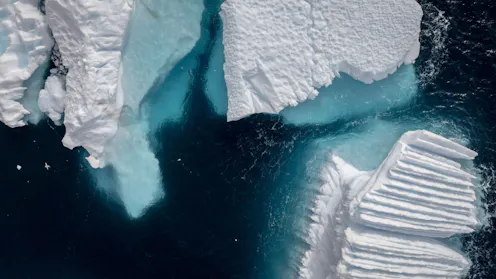
Sediments in a lagoon near Darwin hold traces of changes to monsoonal rains over 150,000 years. Here’s what it means as Earth’s polar ice melts.
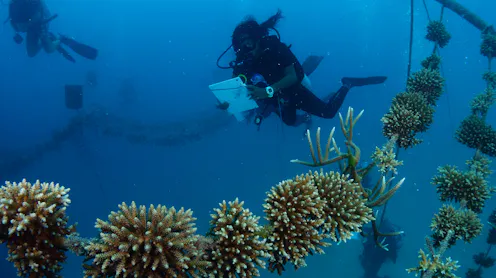
New research examined coral restoration projects worldwide to calculate what it would actually cost to bring back what’s already been lost.
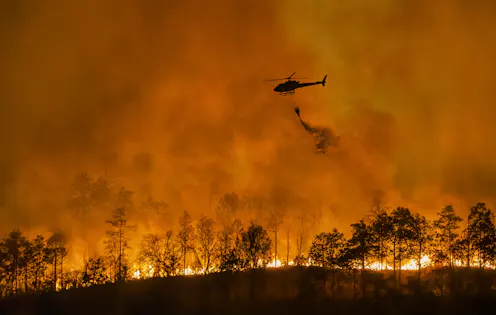
Withdrawing support for research and scrubbing climate data from US government websites has repercussions for Australia and the world. But there are ways around it.
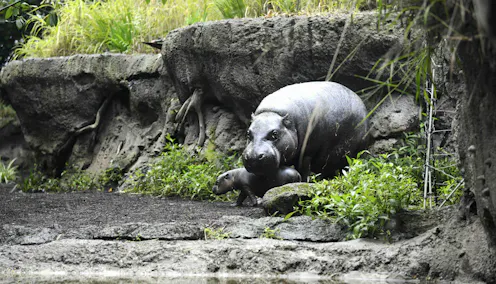
Pig-sized hippos and elephants the size of horses once roamed the lush forests of Cyprus – until humans arrived.
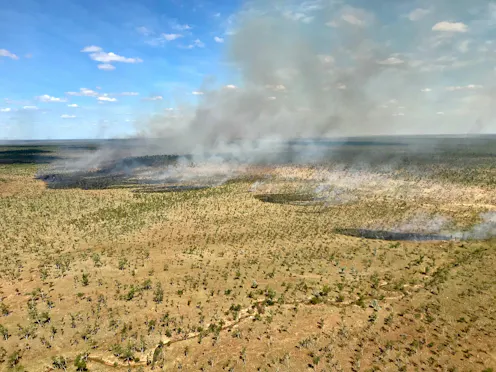
Indigenous fire management shaped Australian tropical savannas over millennia, until the arrival of Europeans pushed the landscape back into a dangerous, unmanaged state.
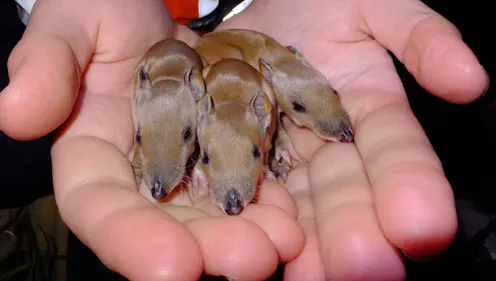
We’ve brought some species back from the brink – but more and more are being threatened. Here’s why
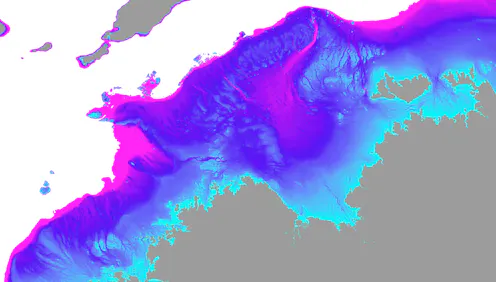
Our new study reveals a mosaic of habitable landscapes – now submerged by the ocean – once supported up to 500,000 people living in Australia’s northwest.
Researchers simulated thousands of scenarios of an ancient pathogen being released into modern ecosystems. In the worst cases, up to one-third of host species were destroyed.
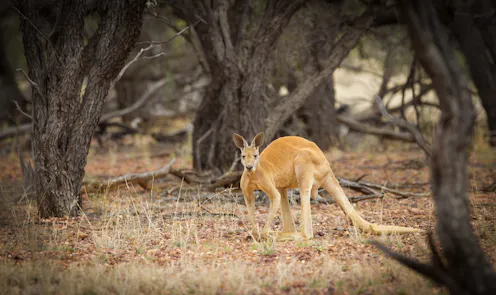
The merits of the dingo fence are hotly debated, and there have been calls to pull it down. We need a better understanding of how the mega-structure affects species that live along it.
New research finds nearly 30% of land animals could disappear form their local area by 2100 due to climate change and habitat destruction. This is more than double previous predictions.
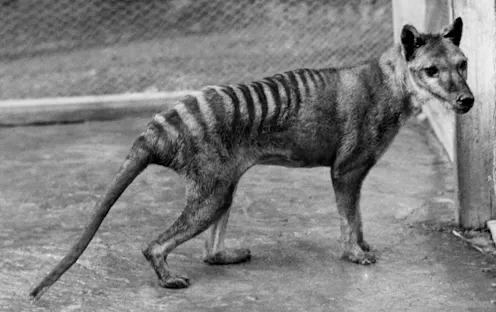
A new biotech partnership could bring the first baby thylacine to life within 10 years. But de-extinction is controversial – should we even be doing this?
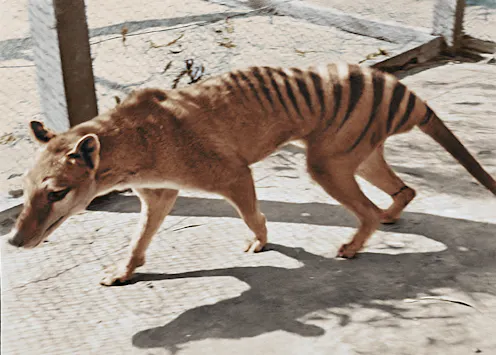
‘De-extinction’ seems like a way to save dying or dead species - but in reality it’s an expensive and impractical waste of time.
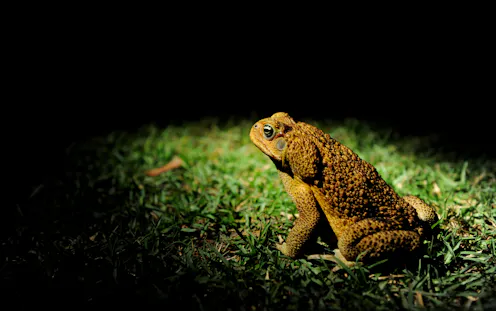
Without urgent action, Australia will continue to lose billions of dollars every year on invasive species.
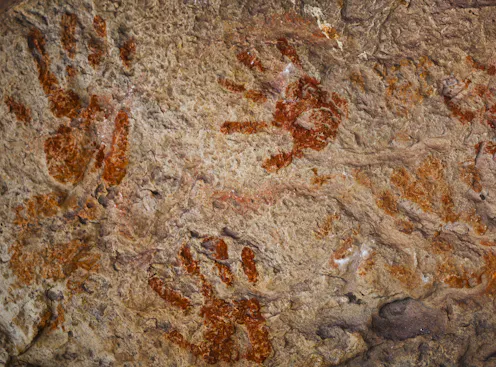
It took just 5,000 years for large and well-organised groups of people to populate all corners of the continent.
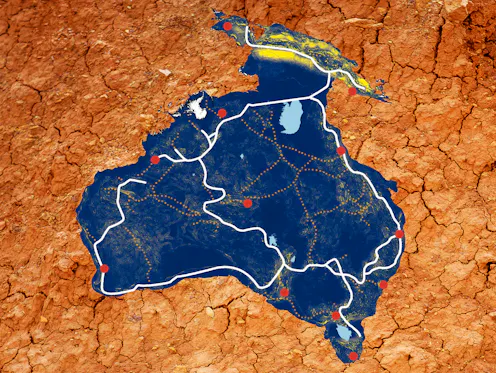
We now have a glimpse into where early Indigenous Australians likely travelled all those tens of thousands of years ago.
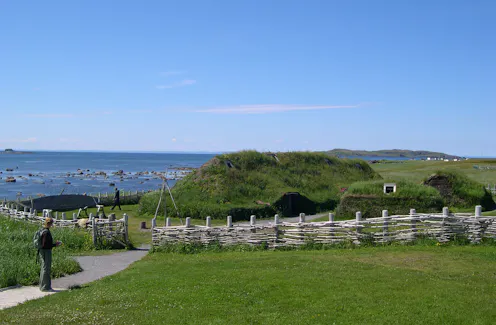
During the European Middle Ages, parts of the world experienced warming similar to that between 1960 to 1990. But the rising temperatures we’re observing now are global and exceed the past record.
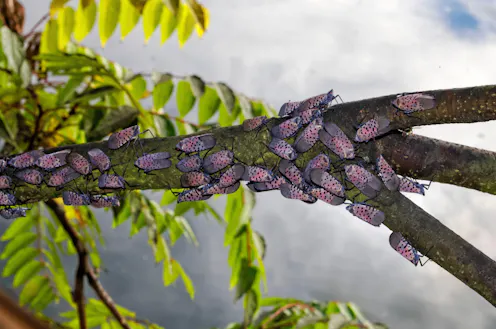
Invasive species have been invading foreign territories for centuries. By quantifying the mammoth economic impacts, we hope political leaders will start to take notice.
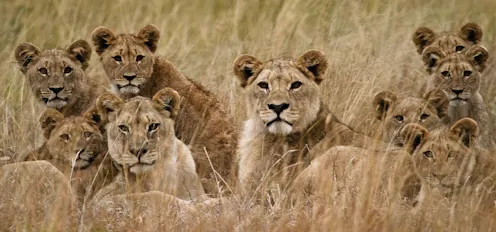
Debates centred on the role of recreational hunting in supporting nature conservation and local people’s livelihoods are among the most polarising in conservation today.

Humanity is destroying Earth’s ability to support complex life. But coming to grips with the magnitude of the problem is hard, even for experts.
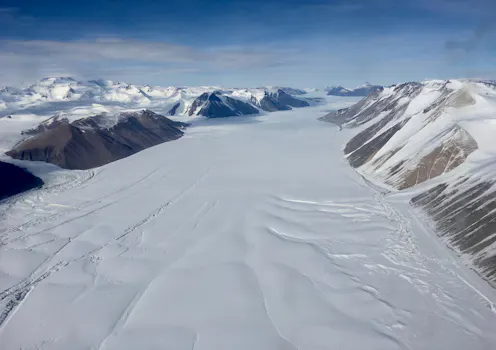
We have had to adapt to several changes to our climate since we started our migration out of Africa many thousands of years ago.

Social distancing is vital to curb the spread of the COVID-19 coronavirus. But it doesn’t have to be purely physical - we can separate ourselves in time too, by staggering our daily routines.
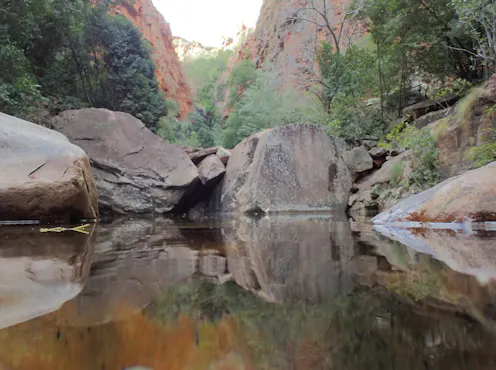
A drying climate and the arrival of people together finished off Australia’s megafauna.
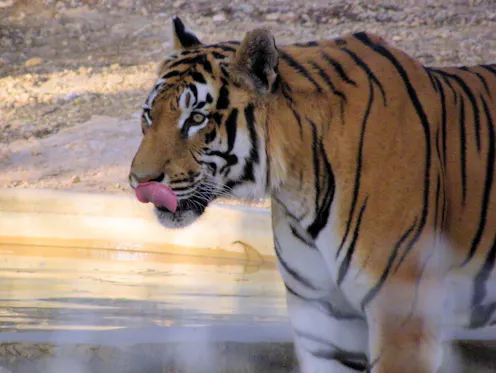
The Earth has experienced five periods of mass extinction. Scientists can’t quite be certain yet, but they’re fairly sure we’re now well into the sixth.
Contact Corey for
- General
- Media request
- Speaking request
- Consulting / Advising
- Research collaboration
- Research supervision
- Location: Adelaide, Australia
- Website
- BlueSky: @conservbytes.bsky.social
- Facebook: conservbytes
- LinkedIn: cjabradshaw
- Article Feed
- ORCID
- Joined
