

Prime Minister Justin Trudeau’s comments about housing not being the primary responsibility of the federal government miss the mark.
- Housing Policy Researcher, Expert Advisor, Housing Assessment Resource Tools and Adjunct Professor, L’Université d’Ottawa/University of Ottawa

Le Canada fait de grands progrès en ce qui concerne la politique de logement lors de la pandémie de Covid-19, mais les mesures permanentes tardent à venir.

Canada is making big strides when it comes to COVID-19 housing policy, but permanent measures and oversight lag behind compared to some global efforts.

Historiquement, les pandémies ont apporté de profondes améliorations à la société. Est-ce que cela se produira cette fois-ci ?

Historically, pandemics have brought about profound societal improvements. Will that happen this time?

There are many winners in a scenario in which Canada’s minority government enacts stronger supports for non-profit housing. The biggest are those who would get secure and affordable homes.
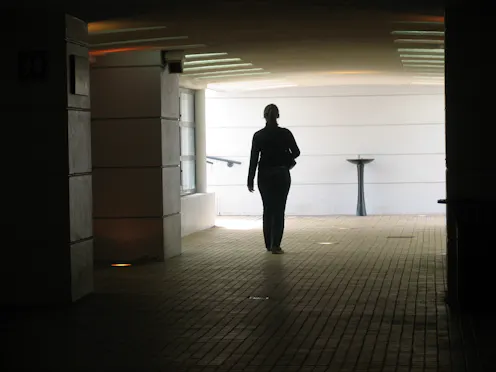
As they return to classes, a survey finds nearly half of female tertiary students in Melbourne don’t feel safe using public transport at night. And 79% have been sexually harassed or victimised.

The private car is the default transport option for many families. This reduces physical activity and increases greenhouse gas emissions, with unhealthy results for their children and the environment.

Cities overseas that have been able to overcome the affordable housing challenges facing cities like Melbourne have adopted a coordinated and systemic approach to scaling up solutions that work.

As Melbourne’s population hits 5 million, it’s a reminder that growing cities must make much better use of vacant and underused land to meet the urgent need for affordable housing.

The NDIS is set to reshape Australian cities. But to achieve meaningful participation of people with disabilities, urban communities and services will also need to take action.

The Victorian government isn’t alone in seeking private partners to renew public housing. What is notable is its lack of transparency by comparison with such arrangements elsewhere.

While many talk about 30-minute cities, some aim for residents to be able to get to most services within 20 minutes. But cities like Melbourne have an awful lot of work to do to achieve their goal.

Victoria has been lagging behind other states in developing an affordable housing strategy. Now that one has been released, how well does it meet the needs of households on lower incomes?
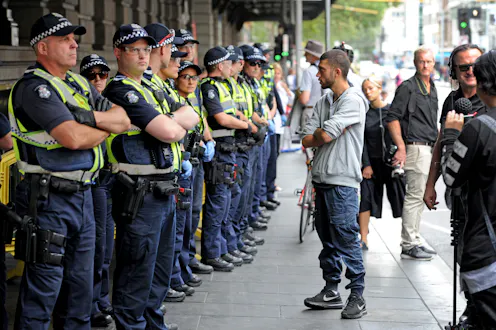
Weak state policies, which lack clear targets and mechanisms for providing more and better affordable housing, are part of the problem. Victoria still doesn’t have an affordable housing strategy.
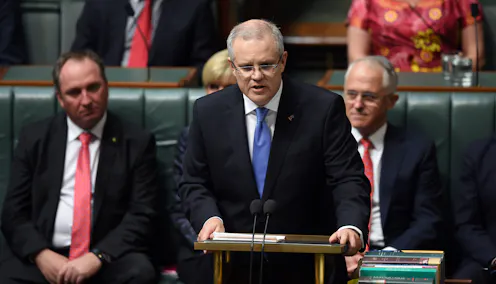
On reform, the 2016-17 budget is a holding one, with tinkering on the sides.
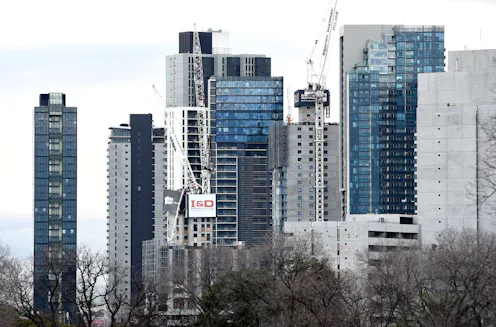
Some common misapprehensions remain about who needs affordable housing and how those needs might be met.

Communities that rate highly for liveability share certain essential features. We can identify and build these key ingredients into our cities to create thriving places where people want to live.

It is now possible to imagine Australia having a national affordable housing strategy, backed by funding, by the end of 2016.

Three shocking incidents, in which three children and one adult died, have dominated the news in Melbourne in the past two months. On Easter Sunday, Indiana and Savannah Mihayo were murdered in their grandparents…

OBESE NATION: It’s time to admit it - Australia is becoming an obese nation. This series looks at how this has happened and more importantly, what we can do to stop the obesity epidemic. Here Billie Giles-Corti…
Contact Carolyn for
- General
- Media request
- Speaking request
- Consulting / Advising
- Research collaboration
- Research supervision
- Location: Ottawa, Canada
- Website
- X (formerly Twitter): @cwhitzman
- Article Feed
- ORCID
- Joined
