
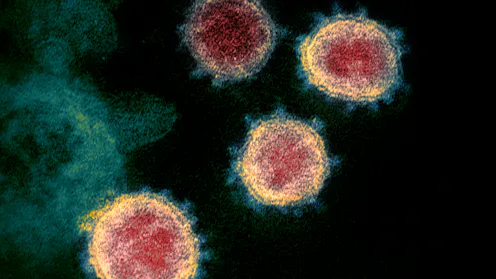
SARS-CoV-2 and some other viruses trigger “zombie cells” that can create a mix of symptoms seen in long-COVID.
- Dean Faculty of Sciences and Professor in the Department of Microbiology, Stellenbosch University

The enigmatic envelope protein seems to hold the key to understanding why some human coronaviruses cause more severe disease than others.

Cell-mediated immunity is particularly effective at eradicating viruses, and more durable. This is important in the fight against COVID-19.

Deficient leptin levels caused by malnutrition might protect against severe COVID-19 and related death. This could be another reason for the lower than expected COVID-19 deaths in Africa.

Some insights into previous outbreaks of human coronaviruses may be useful in explaining the comparatively ‘low’ numbers of COVID-19 infections and mortality in people with HIV in South Africa.

Could the 1889-1890 pandemic have been the result of cow coronaviruses jumping to humans?

CC BY-NC-ND4.77 MB (download)
Increases in human density and mobility make the latest coronavirus a serious threat to human health.

Two coronaviruses were identified in the 1960s, and five since SARS in 2003. It is the seventh that is now making headlines.
Contact Burtram for
- General
- Media request
- Speaking request
- Consulting / Advising
- Research collaboration
- Research supervision
- Location: South Africa
- Website
- Article Feed
- ORCID
- Joined
