
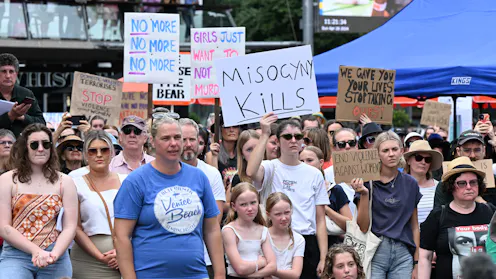
52 Australian women have lost their lives to violence this year, including three in recent weeks. How do we make sure we don’t get compassion fatigue?
- Professor of Family and Sexual Violence, RMIT University
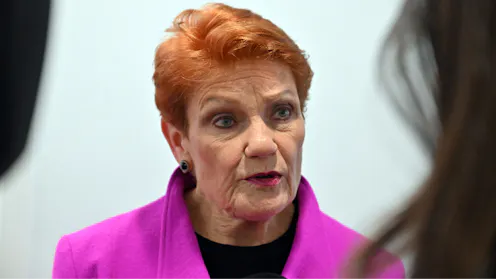
Pauline Hanson’s comments amount to misinformation that risks stopping people from seeking help. Here are some of the facts.
Australia’s proposed digital duty of care will ask social media platforms to actively prevent harm.
The results of a landmark longitudinal study into domestic violence paint a grim picture, but they also point to key solutions, especially before men offend.
Current crisis accommodation is isolating, frightening and doesn’t meet the needs of woman and children, but one program is succeeding where others fail.
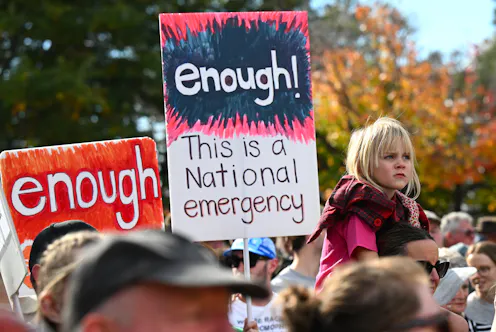
National Cabinet unveiled a $4.7 billion partnership, starting July 1 2025, to address domestic violence. It’s funding that’s sorely needed and enthusiastically welcomed, but needed immediately.
The problem of tech-facilitated abuse will remain if the police and courts don’t start taking it seriously.
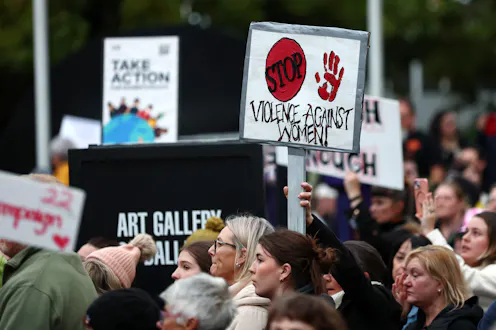
Public focus on, and anger about, the horrifyingly high rates of violence against women is at fever pitch. What have the country’s leaders agreed to, and will it fix the problem?

One in seven Australians say they have engaged in tech-based workplace harassment – and it’s often designed to offend, humiliate and distress the victim.
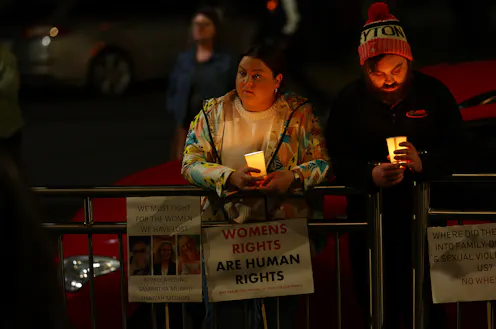
It has been a distressing time. Australians have been – and will continue – taking action to end gender-based violence. So, are we making any progress? Here’s what the data show.
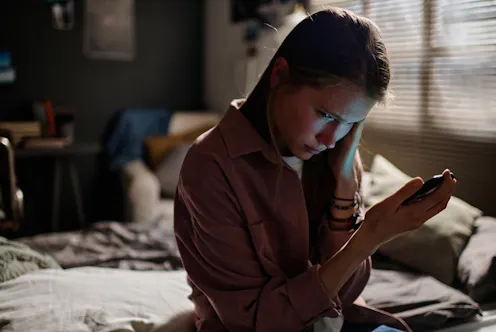
The proliferation of non-consensual, sexualised deepfake images is a reflection of society’s negative attitudes towards women.
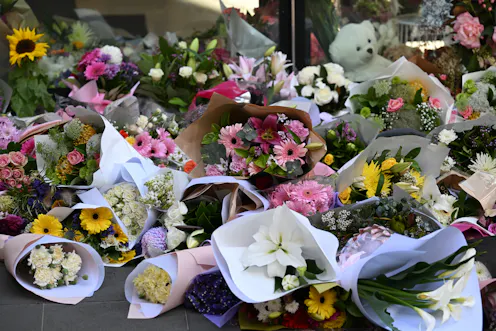
While it can feel like little progress is being made to stop women being killed by their partners or ex-partners, the data show a steady decline in recent years.
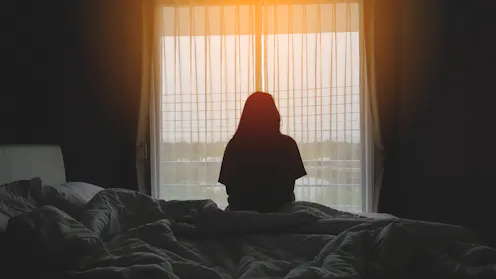
Too often, sexual violence from an intimate partner is not taken seriously. New research shows the impact this can have on victim survivors, and how it can be redressed.

A new ten-year plan to end violence against women and children has some significant strengths, but it also has some deficits, and details are still to be released.
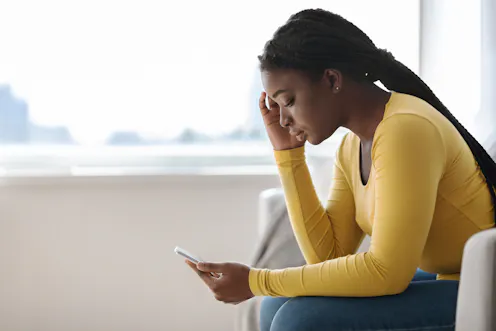
As well as abuse, many Australian have also experienced threats of harm and harassing behaviour.
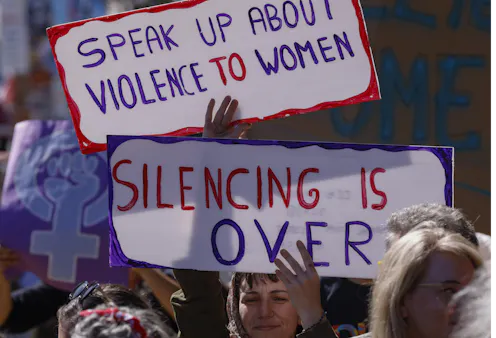
Today’s students are part of a generation demanding society-wide change in the culture that perpetuates sexual violence, and the students expect their universities to lead the way.
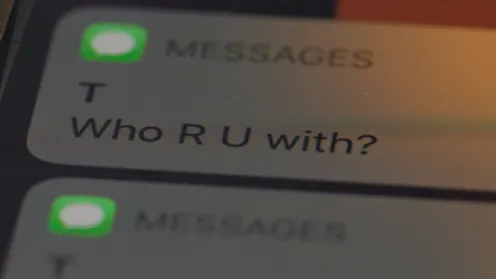
The new SBS documentary is not easy to watch. But it is a big chance to reset the conversation about domestic violence.
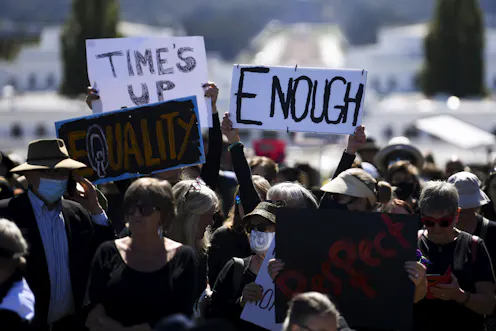
Victim-survivors want to have their experiences heard and the wrong against them acknowledged — sadly, the opposite often occurs.

The Victorian parliament is considering a bill to change laws that prevent sexual violence victim-survivors from speaking about their experience. But some of the details need to be reconsidered.

Queensland and the ACT have just passed bans on conversion therapy. But this is far from enough to protect LGBTIQ people from this harmful practice.
Coronavirus has meant more time at home, more time online and more image-based abuse.
We need to stop violence against women before it starts. The federal government’s Fourth Action Plan might not provide all of the answers, but it’s a sign of positive progress.
New research has found that young women, Indigenous Australians and people with disabilities are the most frequent victims of ‘revenge porn.’

Australians are more aware of domestic violence and sexual assault than before. But a worrying proportion blame victims for abuse, think women are lying, and don’t believe consent is always necessary.

The additional precautions many women take when travelling alone help us manage our fears and feel more empowered to enter into public spaces.
Contact Anastasia for
- General
- Media request
- Speaking request
- Consulting / Advising
- Research collaboration
- Research supervision
- Location: Melbourne, Australia
- Website
- LinkedIn: anastasia-powell-91710861
- Article Feed
- Joined
