

Today, plate tectonics carry water into Earth’s depths. But this deep water cycle goes back much further.
Science + Tech – Articles, Analysis, Comment
Displaying 176 - 200 of 7972 articles
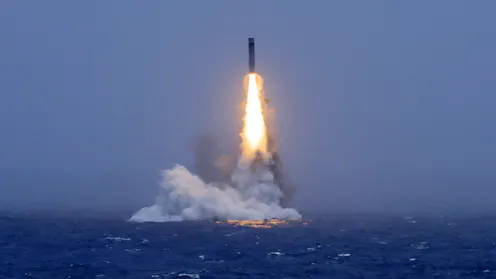
All nuclear powers test missiles. Why do China’s tests provoke such a fierce response?
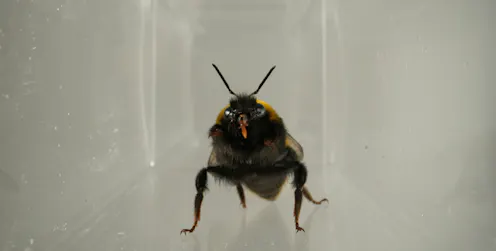
A new study builds on a wave of new work that is daring to suggest insects might have a form of consciousness.

The decision tracks with a long history of editors and journalists being early adopters of tech innovations.

This behaviour is unique, rather perplexing and not reported in other large whales.

As data centres have grown in size and number in Australia, they have also become the subject of fierce public debate. So what’s the best way forward?
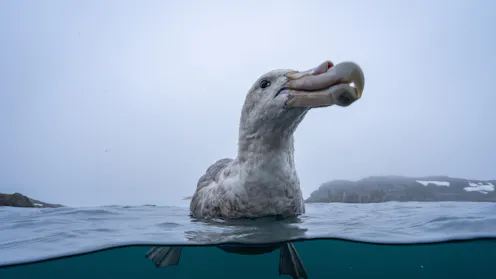
Another apparent case of H5 avian influenza in a wild bird is a cause for concern – but it’s not the same as an outbreak.
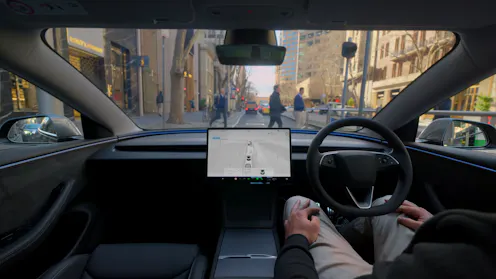
Autonomous vehicles work much better than many people think – and much worse. Some simple changes to our roads could make them safer.
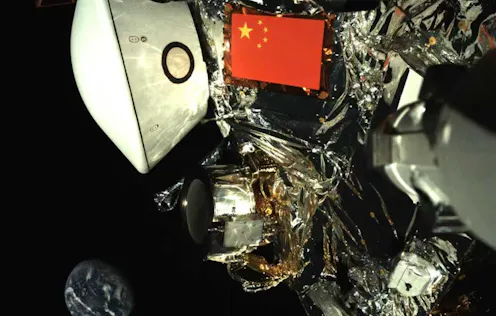
One of Earth’s closest cosmic companions has puzzled scientists for years.

Current online safety rules are focused on removing harmful content, not on supporting health promotion.

Turns out it can be quite easy – if you are the US president.

The costs of building advanced, cutting-edge AI are prohibitive and Australia has few natural advantages.
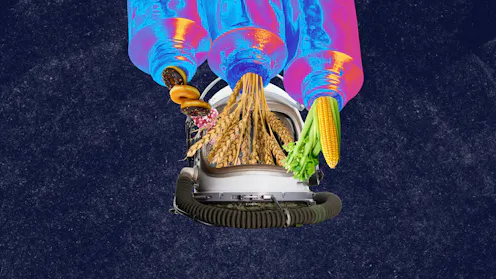
Space food cannot just be functional. Sometimes, it should simply bring joy.
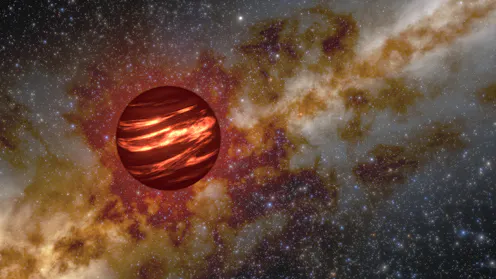
A ‘failed star’ 1,350 light years away may hold clues about what makes other stars succeed.

Just as important as creating a duty of care is knowing if it’s working.

If we do not have to control our attention, we might not.
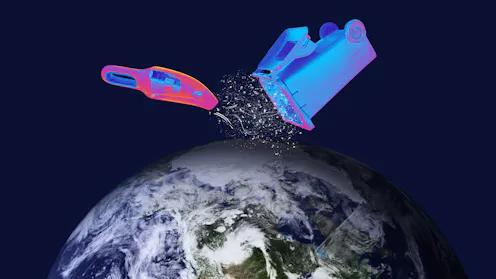
Properly addressing the problem of space requires work across three fronts: technology, policy and philosophy.
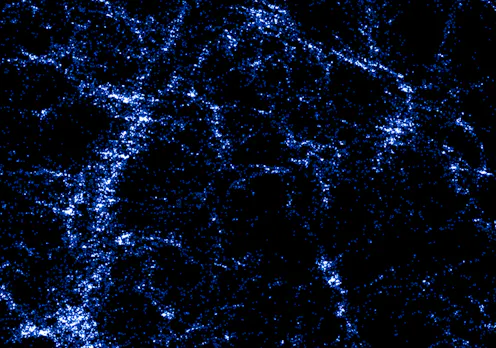
New telescopes are challenging the idea that the cosmic web fades into a uniform, directionless distribution. It may be closer to a tangled yarn than a misty fog.
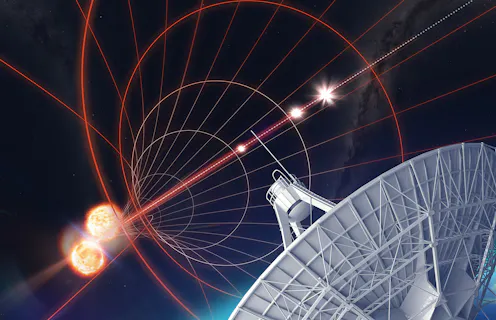
Astronomers have revisited data from a dramatic collision of neutron stars to help resolve the infamous ‘Hubble tension’.

AI-generated faces don’t look weird anymore – they’re ‘hyperaverage’, which is a giveaway to the trained eye.

While the government strengthens its social media ban, a broader, more robust piece of legislation is waiting in the wings.

Any talk of nuclear futures in space obliges us to learn from nuclear pasts.
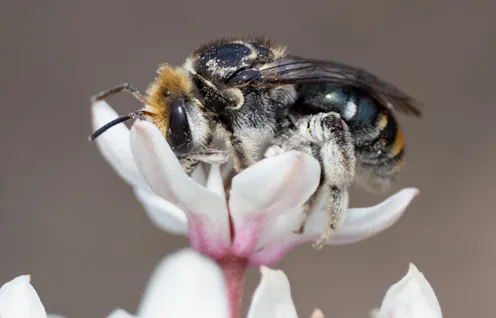
Scientists don’t know enough about the food habits of less social bees. Here’s why that urgently needs to change.
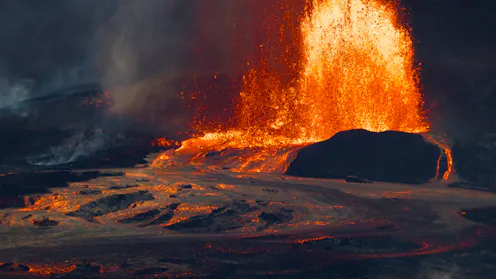
Battered by asteroid impacts, the young Earth was hot and unstable for hundreds of millions of years.
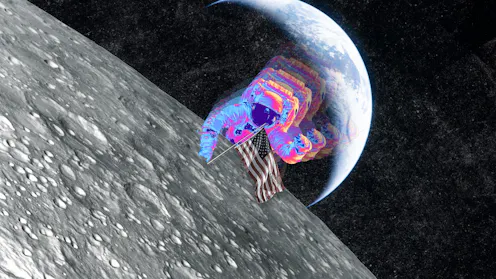
Lunar architecture isn’t just an engineering challenge. At its heart, it is about understanding human experience at the extremes.