
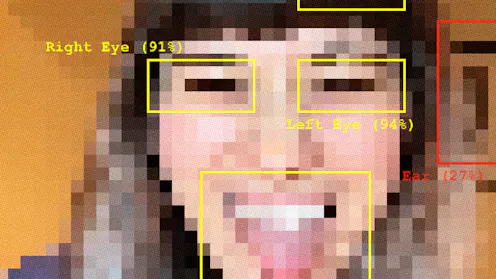
The use of AI copies of the dead for medical training remains hypothetical, but the technology to make them exists, raising questions about what it means to be dead.
Science + Tech – Articles, Analysis, Comment
Displaying 451 - 475 of 7972 articles

The idea of digital immortality raises many legal questions – and most of them don’t have a clear answer.
There have been six key shifts – and no doubt more is to come.

An AI agent you can run at home has gone viral – and things are getting a bit weird.
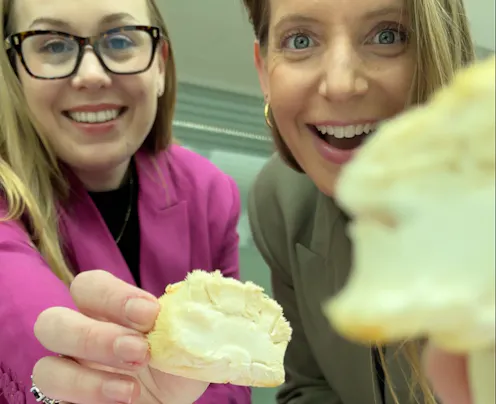
The mushrooms lived in space for over a month – and could be key to the health of astronauts in the future.

The white-backed swallow survives the extreme temperatures of inland Australia by reducing its body temperature to save energy.

If de-extinction tech can bring back species, are people more comfortable with them going extinct? A new study tests this idea.
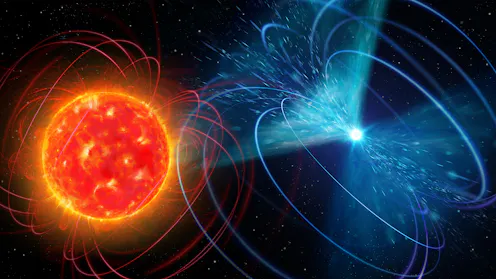
Radio pulses repeating every minute-to-hour have puzzled astronomers, but a new paper in Nature Astronomy might finally shed some light.
The 2,500 questions that make up the exam are specifically designed to probe the outer limits of what today’s AI systems cannot do.

As traditional social structures change, technology is filling the gaps – for a price.

The deep ocean is not a silent, static place – it’s active, connected to the oceans above and always changing.
Memory is at the very heart of who we are, but it’s surprisingly complex too.
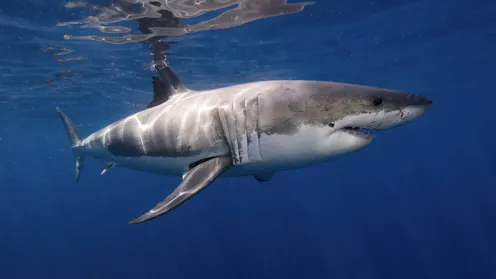
The teeth of white sharks are not static weapons but living records of a shark’s changing lifestyle.
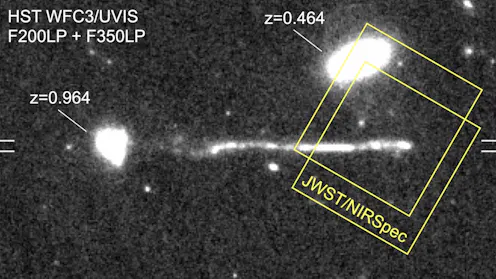
Astronomers have spotted runaway black holes screaming through space, leaving trails of stars in in their wake.
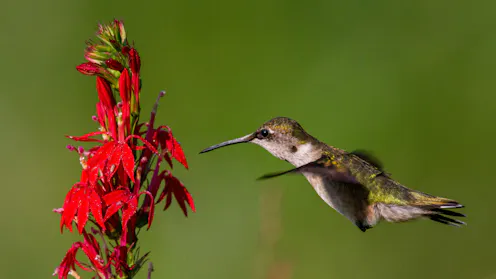
Birds and bees see the world in different ways – and some flowers have evolved to take advantage of the gap in their perspectives.

Without intervention, we risk hardcoding human misogyny into the digital infrastructure of everyday life.
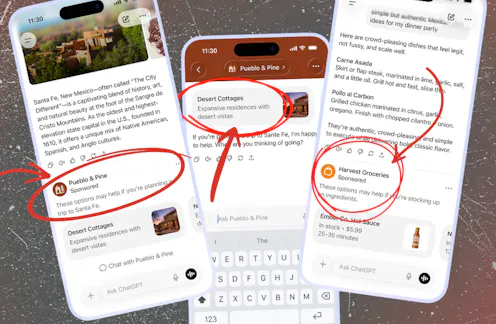
History shows voluntary safeguards fade as profits rise, risking a more persuasive new era of online advertising.
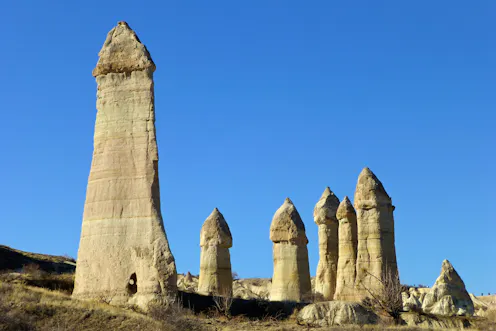
Compared to other great apes, human penises are mysteriously large, hinting they act as a signal to mates.
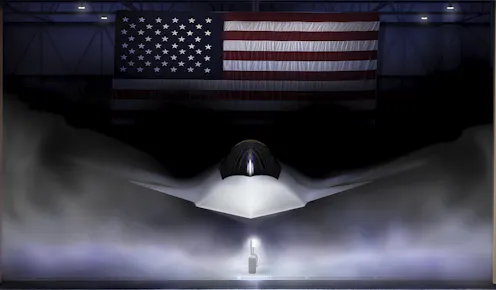
The new strategy leans heavily on AI hype – with potentially fatal consequences.

People were creating cave art in Indonesia 67,800 years ago – before modern humans reached Australia.

A new study shows the monument’s most exotic stones did not arrive by chance but were instead deliberately selected and transported.

Recent shark attacks may be linked less to shark behaviour – and more to the pollutants, pesticides and parasites humans send into the ocean.
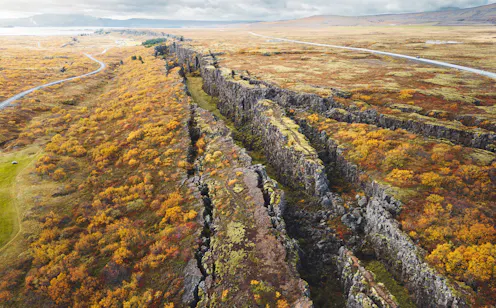
Earth has experienced many icehouse and greenhouse climates. A new study shows how they connect to plate tectonics.

Millions of Australians now have tattoos. Yet unlike other countries, we don’t have rules on what’s in the ink.
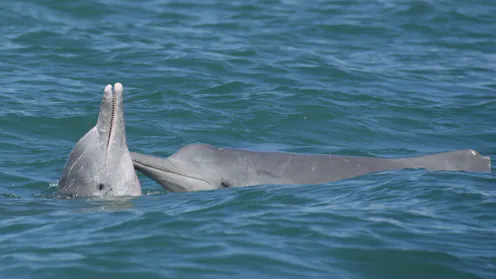
The highly social lives of many marine mammals brings many benefits. But it also comes with a hidden cost.