
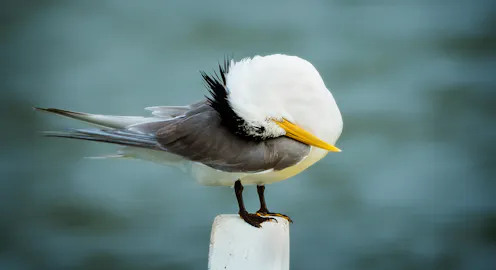
Australia’s response to this deadly bird flu outbreak has been insufficient and too reactive.
Environment + Energy – Articles, Analysis, Comment
Displaying 76 - 100 of 8844 articles
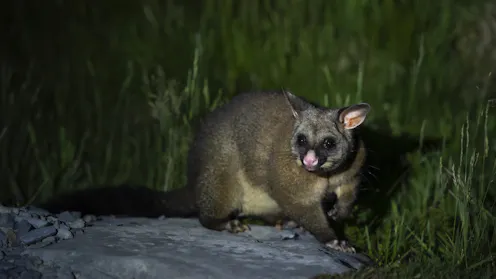
AI listening devices could help find New Zealand’s last remaining possums – but only if they don’t mistake bird calls for pests. Here’s how a new fix works.
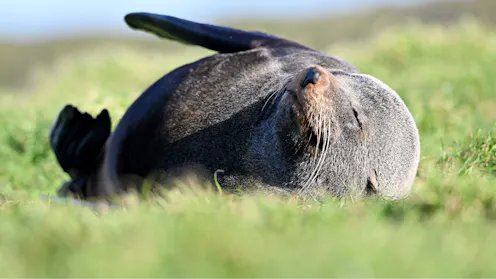
The Beachport seal is one animal – for now. But this virus has already shown us what can happen next. Australia should use that warning while we still have time.

A new study reveals what unsustainable construction practices are costing our climate – and what must change.
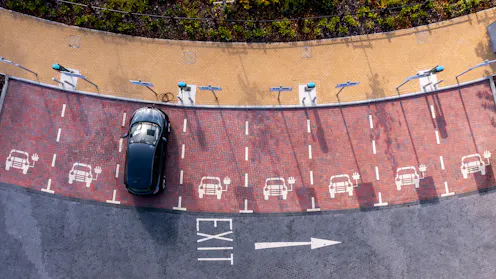
Tighter regulation and careful planning will ensure our public chargers actually work.
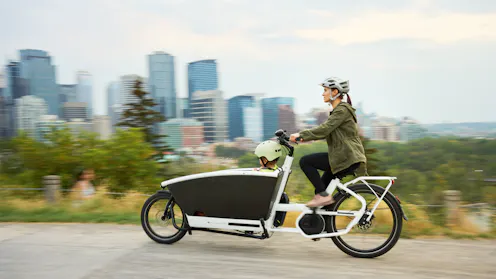
An e-bike is a good start. But training, guided rides and social connection give people the confidence to keep using them.
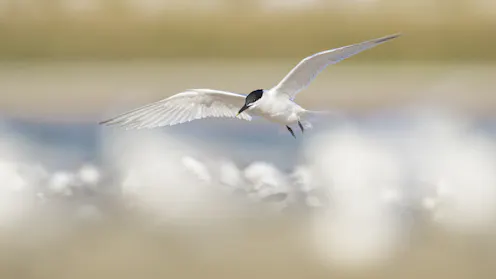
The rest of the world has already had to grapple with bird flu – and there are lessons for Australia.
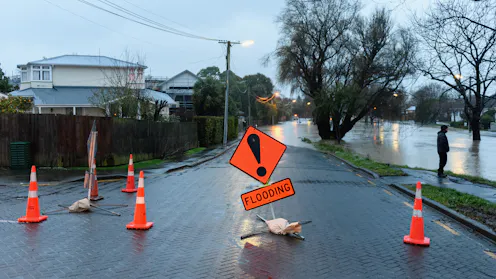
Only 3% of spending on natural hazards focuses on reducing risk, allowing governments to shift liability but leaving communities unprepared.
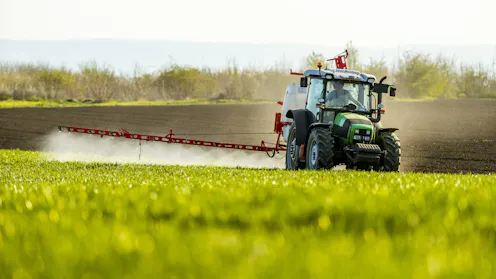
Compost, manure and food waste can be turned into biofertilisers made from natural materials.

Ordered kingfish sashimi recently? A parasite can infect some fish, yet they still look and taste the same when raw.

Australians love a holiday, but are increasingly making travel plans around unpredictable weather.
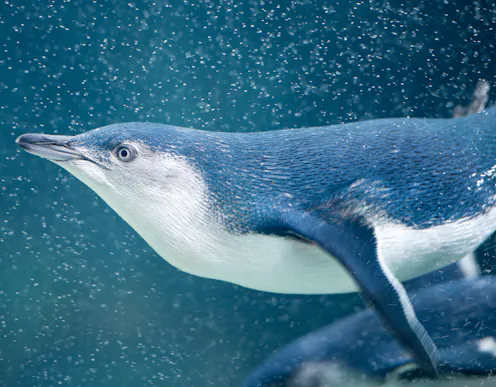
Little penguins are flightless and return at night to the same burrow, making it easier to capture and vaccinate them.
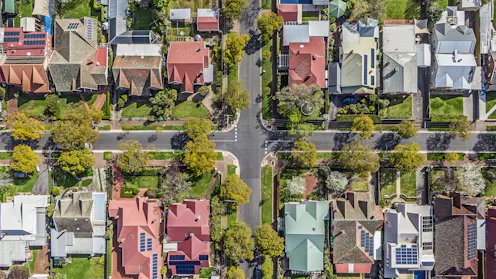
It makes more sense to go solar and quit gas before getting a home battery.
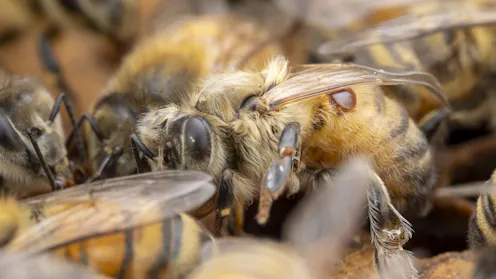
The honeybee-killing Varroa mite is marching across the country, as two experts explain.

From raucous honeyeaters to top predators, Australia’s birds are vital to nature.

With H5N1 now in New Zealand, protecting the most threatened birds will involve difficult decisions, careful prioritisation – and sometimes chance.

Hydrogen makes it possible to store renewable energy for longer – but has its limitations.
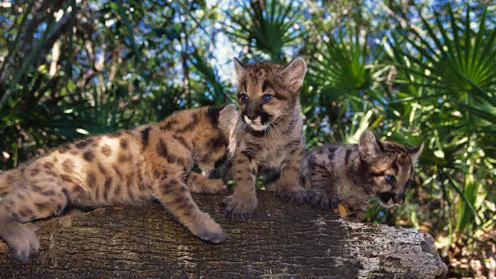
Four experts explain what genetic health is and why it matters for our most vulnerable wildlife.
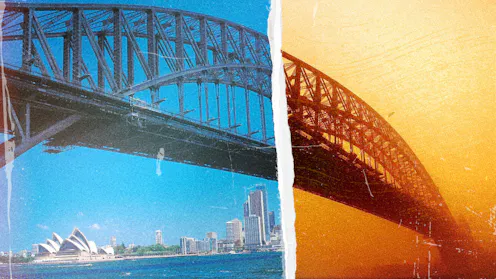
These fine particles can do significant harm to transport networks, farming and even human health.
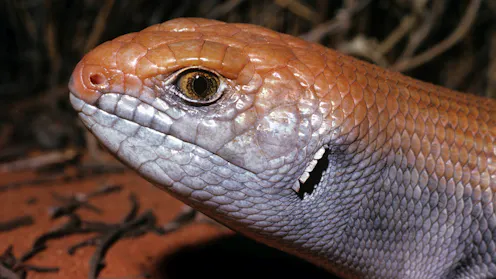
Fenced-off safe havens and islands free from cats and foxes have given endangered mammals breathing space. But they’re not yet helping many other groups of animals.
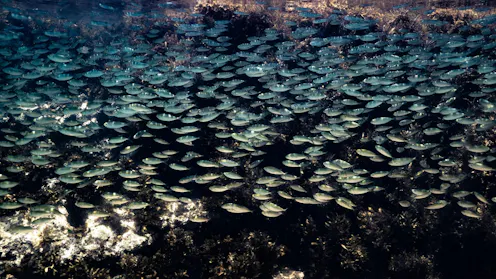
Due to the remote location and croc-inhabited waters, these northern reefs are largely overlooked and understudied.
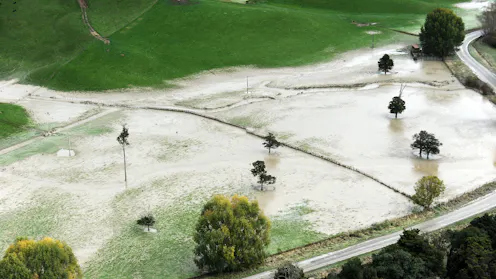
Adaptation plans don’t account for groundwater in shallow coastal aquifers, which can rise with sea levels, increasing the risk of flooding and damage.
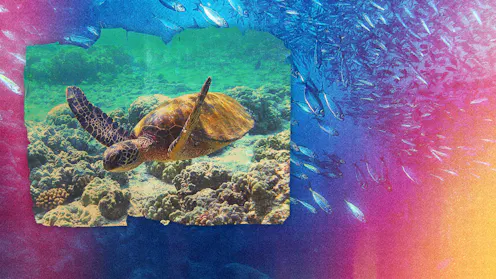
These underwater disasters can trigger coral bleaching and massive fish kills.
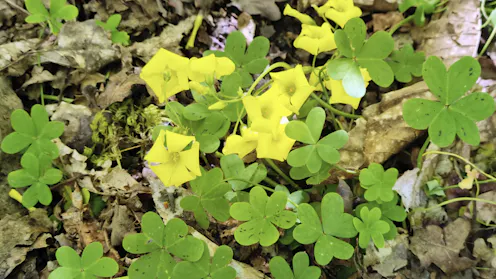
When it comes to a battle of persistence between a weed and a human, the weed will win most of the time. That is one of the things that makes a weed a weed.
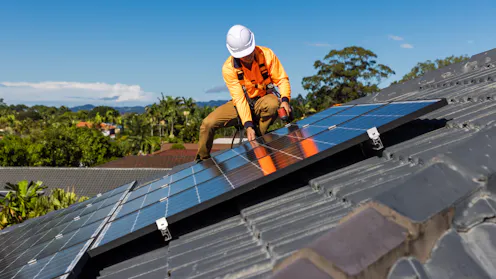
Home batteries and rooftop solar have become enormously popular. But while powerful, these technologies won’t let us get rid of the grid.