
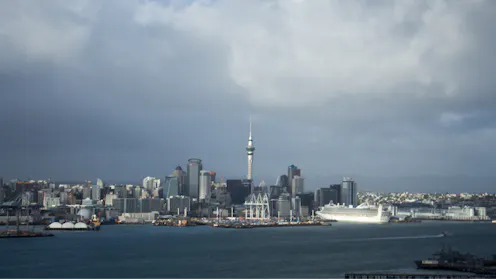
A run of damaging storms that has spoiled midsummer and caused floods and landslides isn’t bad luck, but a combination of local, regional and global drivers.
Environment + Energy – Articles, Analysis, Comment
Displaying 426 - 450 of 8844 articles
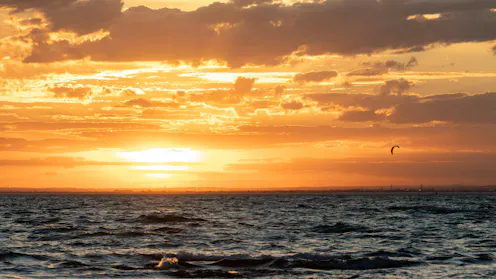
Australia’s northwest is well known for its heat. But this furnace-like area can deliver heatwaves to the southeast, thousands of kilometres away.

Burial and cremation come with some pretty major environmental problems. Both involve huge amounts of energy, resources and pollution.
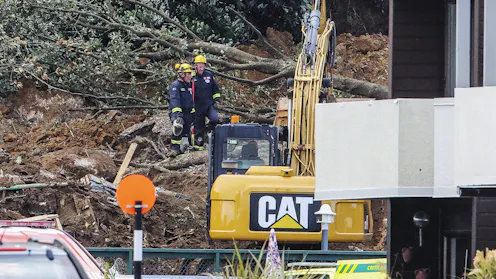
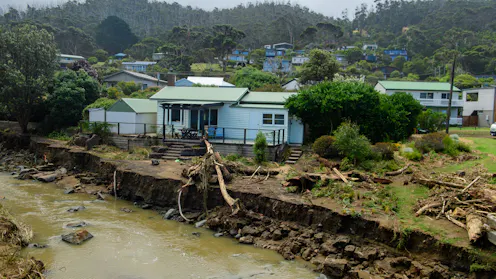
Tragic slips in the Bay of Plenty highlight how geology, heavy rainfall and climate change are combining to amplify a largely hidden risk.

A four-year record from the heart of the Ross Ice Shelf shows how subtle changes could shape future sea level rise, ocean ecosystems – and even our weather.
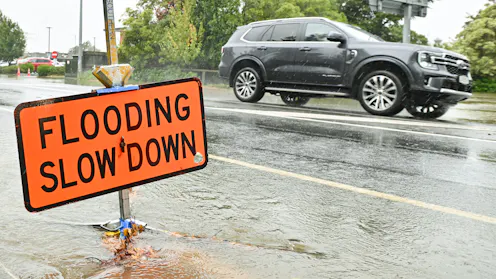
Understanding what is happening deep beneath the ocean surface is key to understanding the weather patterns we are experiencing on land.
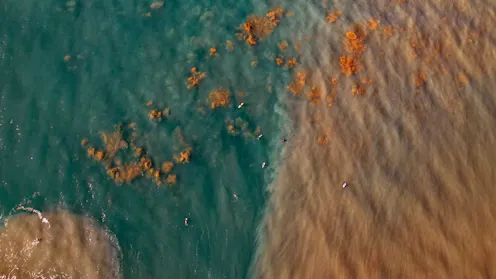
More than a fifth of the global ocean has gradually lost underwater light. But short, intense “marine darkwaves” can be just as damaging for life below the surface.
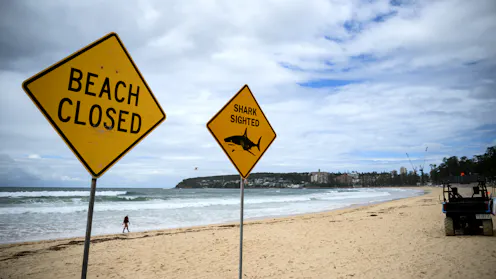
Four people have been bitten by sharks in two days in Sydney Harbour and off NSW beaches. Bull sharks may have been involved. Here’s how to stay safe.
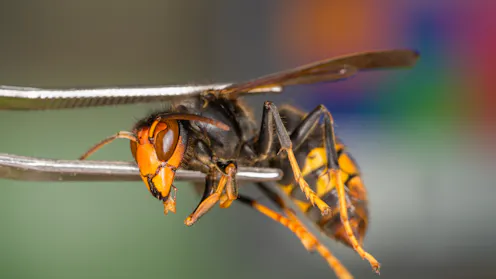
Strong public reporting has helped locate and destroy early nests. Sustained effort over the next few months will determine whether eradication succeeds.
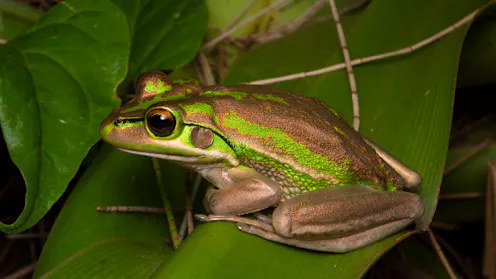
Threatened frogs aren’t just found in national parks – citizen scientists are finding them throughout private land too.
We have for too long persisted with approaches that seek to persuade, instruct, or direct people toward predetermined behaviours. Here’s a better way.
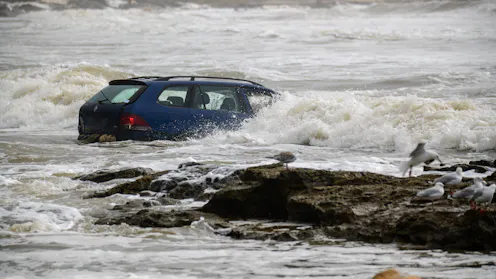
We must get used to the idea such events will become more common as the climate changes, and adapt accordingly.
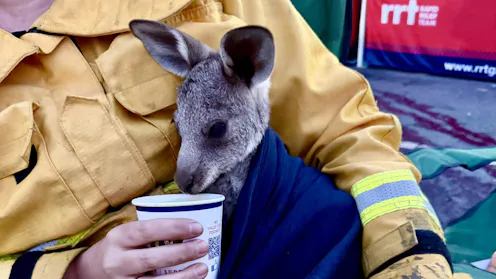
The Victorian fires burned though diverse environments across the state. Native animals suffered through heat and smoke, including thousands of dead flying foxes.

The viral idea that polite prompts waste electricity is an exaggeration. But it reflects a growing awareness of AI’s enormous infrastructure costs.
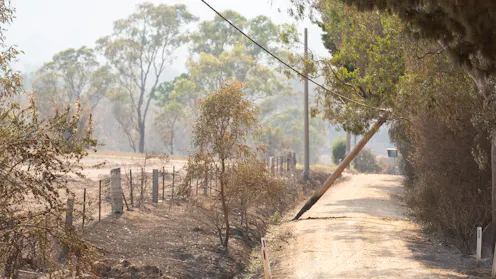
We need reliable communications during climate emergencies like bushfires and floods. But changes have left regional communities exposed.
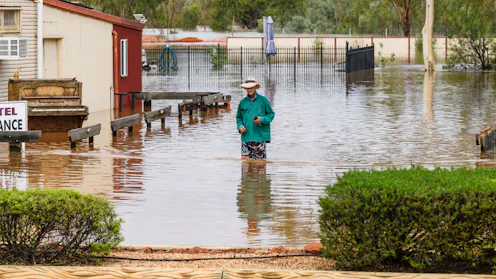
Behind flood and bushfire disasters is a less visible influence: changes in the planet’s water cycle. Rainfall and temperature shifts are amplifying climate change.
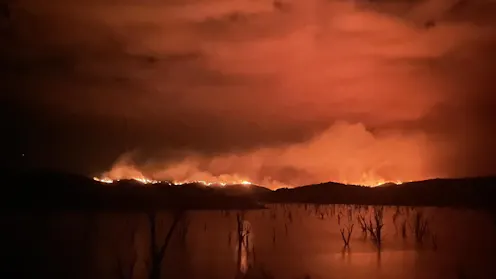
We’re not going to be able to stop climate instability and associated dangerous wildfire weather, so we need to adapt.

We already knew forests were heavy lifters in reducing climate pollution. New research reveals the tiny microbes in tree bark can also “eat” climate gases.
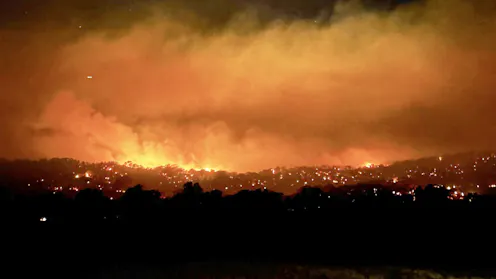
For residents in southeastern Australia this week, understanding fire safety warnings are essential to stay safe.
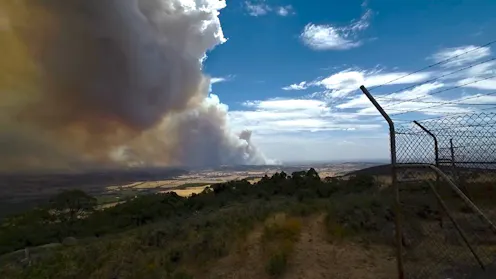
Tracking the Victorian bushfires in Longwood and Mount Lawson.

We tend to adapt quickly to rain. But a growing body of research shows we also need to be more careful when it comes to travel and commuting during extreme heat.
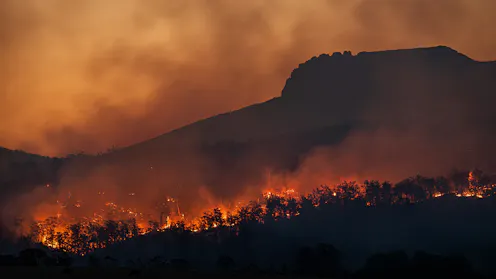
We know that heatwaves often trigger bushfires. But predicting when and where large fires will break out is getting more difficult with a warming climate.
We name severe cyclones and storms, but not heatwaves or floods. Why? Are there benefits to giving Australia’s climate-fuelled extreme weather a name?
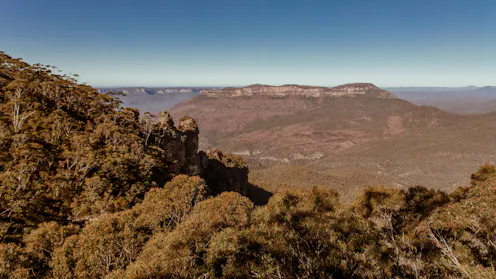
The warming climate is killing Australia’s forest trees at a faster rate. This offers a glimpse of what may lie ahead for forests globally.

Many Australian homes are like an oven in summer and a fridge in winter. New ‘smart materials’ are being developed to make houses comfortable in a changing climate.