

Your super balance isn’t supposed to be a scorecard. But there are simple steps everyone can take to boost it, at any stage of life.
Business + Economy – Articles, Analysis, Comment
Displaying 276 - 300 of 8559 articles
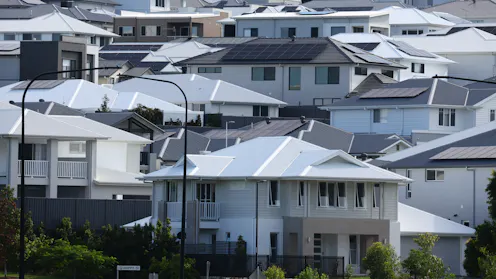
If we want to avoid becoming a nation where the great divide is between those who own property and those who never will, we should jump at the chance for reform.
More than 8 million customers could have a stake in this upcoming court case. The clock is now ticking for them to decide if they want to be involved, or opt out.

One of the biggest risks for central banks is that worries about higher inflation become embedded in people’s thinking.

Australia spends less on research and development than most of the developed world, and our productivity growth is the lowest in decades.
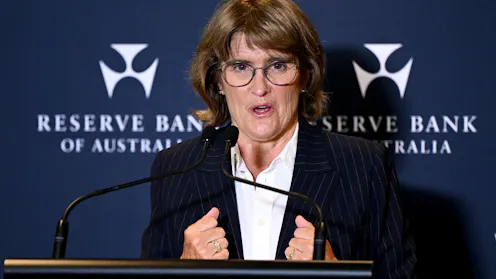
The second rate hike this year will add another $100 a month to the average mortgage, just as fuel prices are surging.

Dubai’s real estate-driven growth faces a test as regional conflict threatens its safe‑haven status and the confidence of foreign investors.
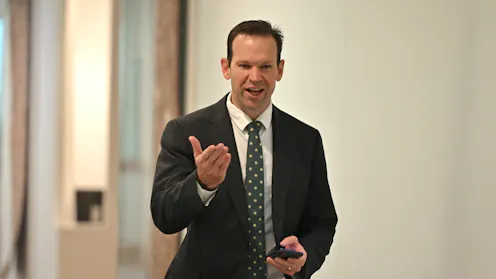
Would the policy be family-friendly, or discourage women from the paid workforce?
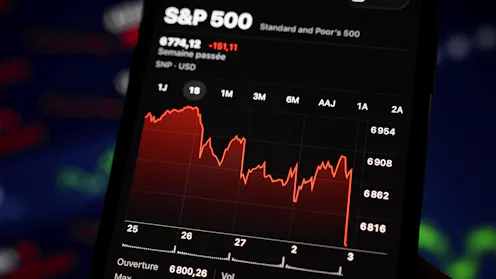
The cumulative return on a typical KiwiSaver growth fund since 2007 is around 240%. That’s despite a global financial crisis, COVID, trade wars and inflation.

Former RBA insiders say past rates decisions have been influenced by the housing market.
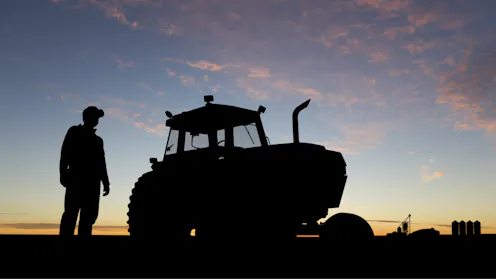
If we want to keep our food supplies secure, understanding what farmers need in diesel supplies now – and in coming months – will be crucial.

One survey showed employees are 57% less likely than leaders to believe performance management is working well. But there are better ways.

Social media has changed the game for real estate advertising. But it creates new risks we need to manage carefully.
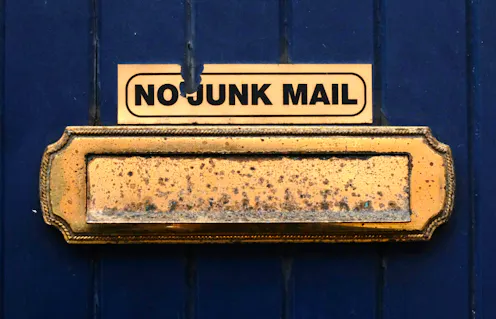
From a global clothing brand to our biggest bank, companies that don’t follow the rules on sending marketing spam to Australians have faced hefty fines.

The head of the corporate watchdog says this court case ‘will be studied by directors, executive management and their advisers for years to come’. Here’s why.

When organisations go big on rules, they can create red tape instead of accountability. Providing more authority to decision-makers offers a smarter approach.
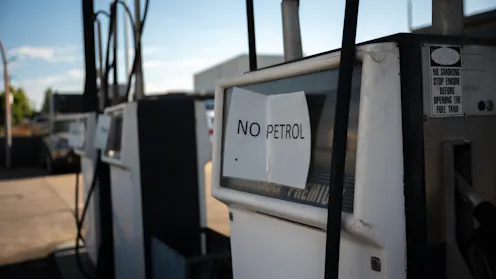
Mass panic buying creates new problems for everyone that otherwise wouldn’t exist. To get people to stop, we need to give them a smarter message.
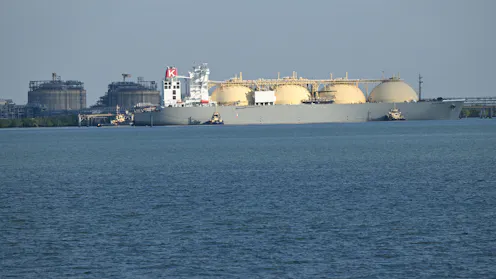
The last cut in the fuel excise cost $5 billion. A temporary tax on gas exports could provide more targeted relief for households.
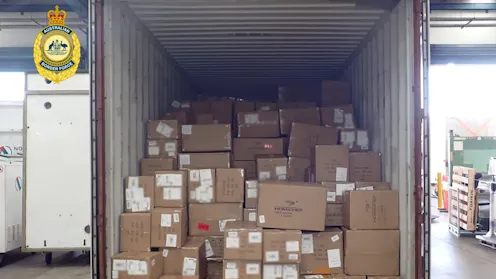
As a dried plant product, illegal tobacco is a biosecurity risk in its own right. With tonnes of it arriving undetected, these tiny pests may be hitchhiking in too.
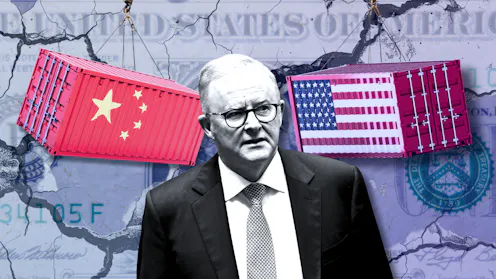
Australia’s best defence isn’t to retreat from open trade, but to strengthen and diversify the rules-based system that supports it.

A law review offers a chance to rethink whether NZ’s insolvent trading rules strike the right balance between creditor protection and business rescue.

Leigh argues three forces underpin most innovation: tinkering, teamwork and trade. New ideas alone aren’t enough.
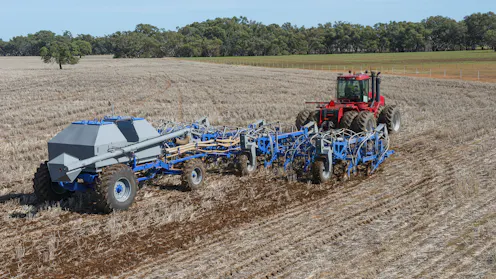
Australia gets half its urea – a crucial nitrogen fertiliser – from countries now impacted by the war. But research suggests higher food prices aren’t a given.

Australian and NZ farmers have long argued only cow’s milk should be sold as ‘milk’, in line with UK and European laws. This is what our current rules allow.

Rising premiums and insurer retreat reflect deeper shifts in risk – and strain on a system built for a different era.