

A GP reflects on the lessons of Eric Schlosser’s ‘muckraking’ classic. A necessary health check on the world we’ve built, it urges us all to take back our agency.
Books + Ideas – Articles, Analysis, Comment
Displaying 126 - 150 of 1657 articles
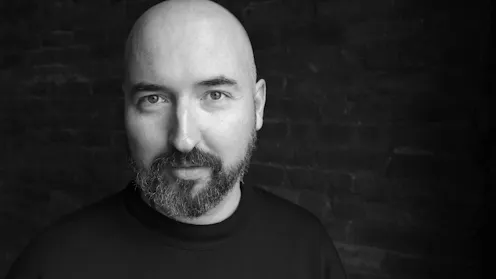
Douglas Stuart won the Booker Prize for Shuggie Bain. His third novel, John of John, continues his exploration of masculinity and sexuality in repressed families.
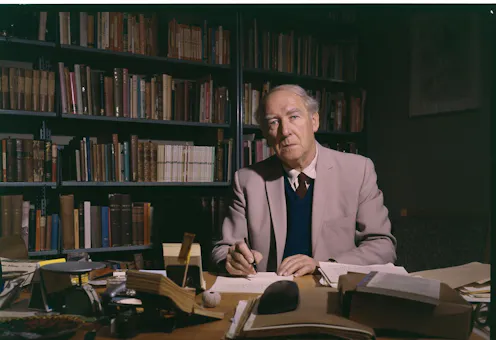
In A.D. Hope: A Life, Susan Lever shows the philosophical reach, formal brilliance and impassioned force of Hope’s poetry.

Almost all major human rights organisations agree the destruction of Gaza meets the legal definition of genocide. Yet liberal news outlets still do not use the word.
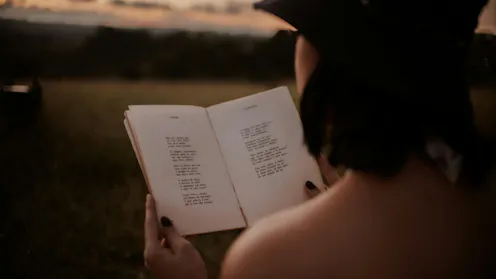
Contrary to popular belief, poetry doesn’t have to rhyme – and rhyme is not a marker of quality, or ease. Some of the world’s most famous poetry proves it.
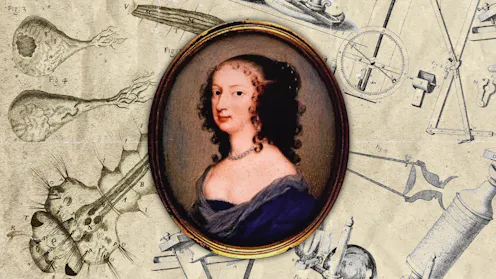
The Blazing World is an amazing vision which ends as bewilderingly as it begins, making the reader’s head spin.
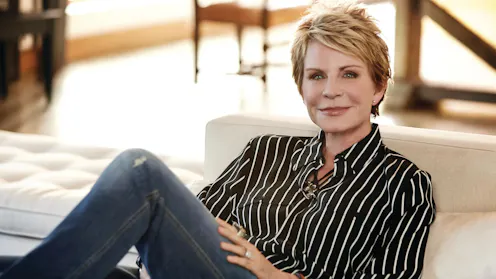
Patricia Cornwell’s uneven memoir is part misery memoir, part confessional. It tells of celebrity encounters and wild fame – but her childhood is a tough read.
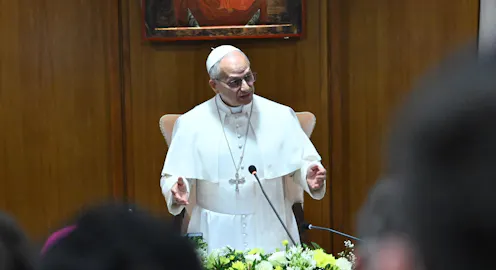
The pope has warned that AI is never truly neutral: it reflects the society that made it. He has called for ethical oversight – and protecting workers.

Online platforms like Reddit and Wattpad let writers test their skills for an audience – and provide a testing ground for Hollywood, too, through likes and upvotes.

David Carlin and Peta Murray offer hopeful, poignant and personally informed responses to ageing and mortality.

Most of Errol Flynn’s films now seem B-grade at best – but Patricia O'Brien’s biography of this Tasmanian devil is compulsive reading.
Advances in AI platforms have been oddly benchmarked through their engagements with the short story form. What does the latest literary AI scandal tell us?
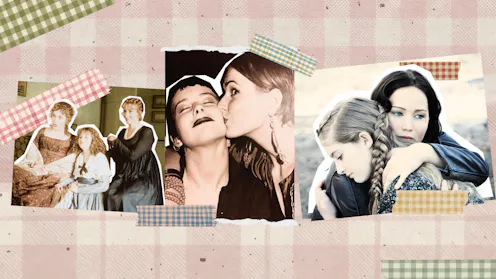
Some of our most loved stories centre on sisters, from fairytales like Snow White and Rose Red to Little Women. Edwina Preston reflects on why sisters matter so much.
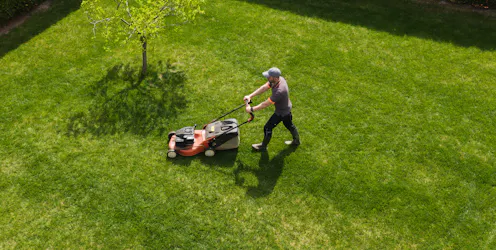
In this extract from his newly published essay collection, the author traces the imperial British origins of a quintessential Kiwi chore.
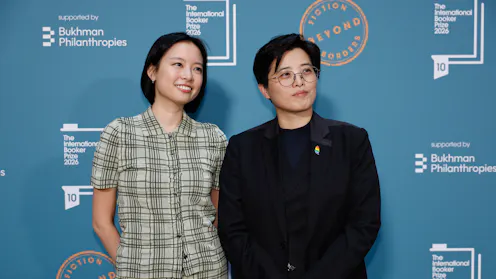
Taiwan is usually discussed in Australia through geopolitics, but Taiwan Travelogue makes it visible as a lived society.
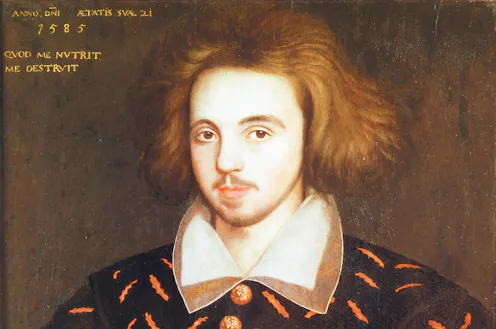
Marlowe’s artistic brilliance was arguably more concentrated, his imagination more original and his ideas more daring than Shakespeare’s.
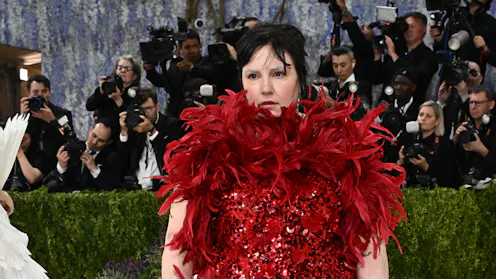
Lena Dunham’s searingly funny, shockingly honest memoir reveals how Hollywood culture allows pretty much anything, except human frailty.

Periodic Bitch tells what it’s like to live with PMDD: an extreme, chronically understudied and widely misunderstood form of premenstrual illness.
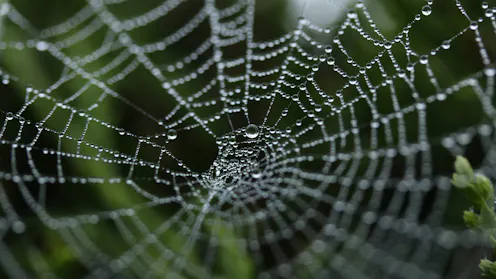
Conversations about death emphasise choice, control or dignity. Circle of Wonders offers a quiet corrective, insisting that dying is relational.
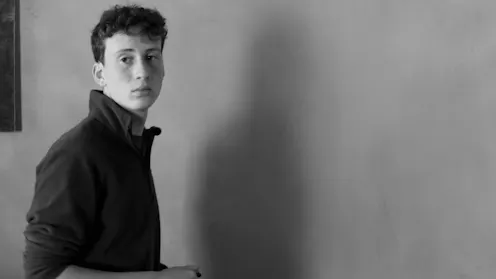
London Falling is well worth reading – but could have matched this star reporter’s masterpieces if it had ranged more widely.
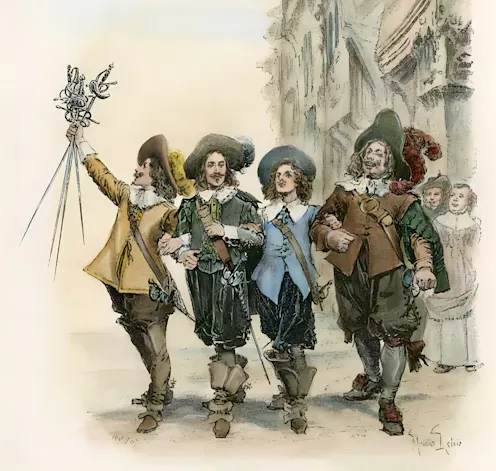
Alexandre Dumas’ classic novel suggests solidarity is possible, but only under conditions of risk and mutual obligation.
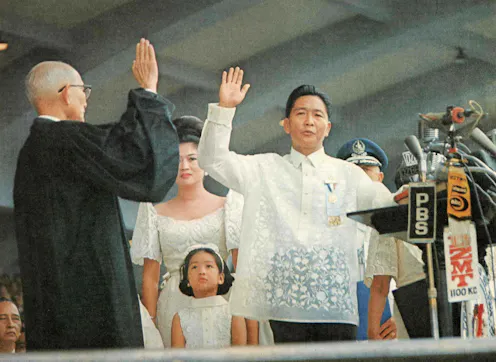
In Yñiga, Glenn Diaz gives readers a glimpse into his country’s history in the only way that would do it justice.

This is Lee Lai’s second book to be shortlisted for the Stella Prize, and her first win.
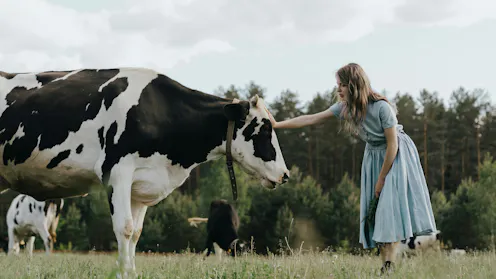
This pacey, compulsive novel satirising the manosphere, tradwives and Instagram influencers will keep you up all night.
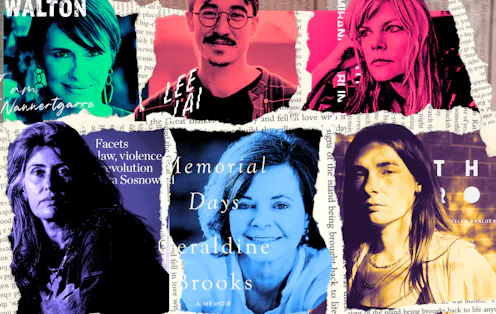
The six books on this year’s Stella shortlist range widely, including graphic novels, poetry, novels and memoir. But they have one thing in common: excellence.