
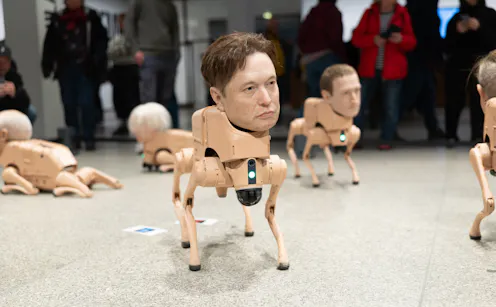
Democracy demands that citizens are treated equally under the law. The tax avoidance practices of the ultra-rich violate that principle, a new book argues.
Books + Ideas – Articles, Analysis, Comment
Displaying 26 - 50 of 1655 articles
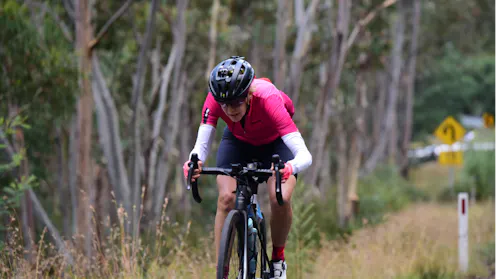
Saskia Beudel’s Peaking is a thoughtful account of what it means to inhabit a changing body while continuing to test its limits.

Becoming a father naturally drops men’s testosterone levels. And the more involved they are, the more it drops.
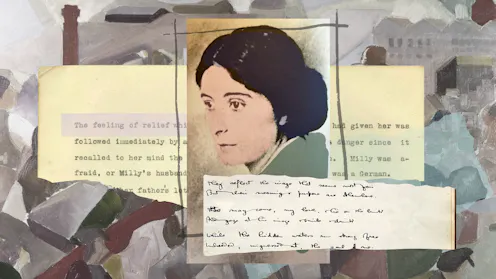
Lesbia Harford knew she would die young but became a revolutionary all the same. Her writing captured the dizzying confusion of a violent time.
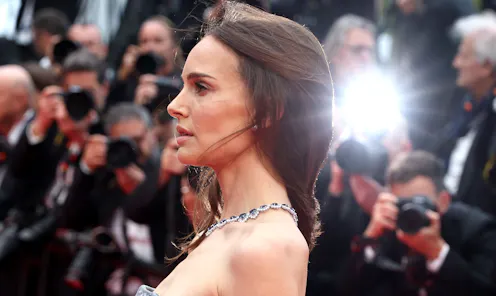
Life of M bleeds fact into fiction, but it requires much more of the reader than a simple guessing game of who’s who.

Modern societies, argues Michel Foucault, think and talk about sex far more than their forebears ever did. But this has not been liberating.
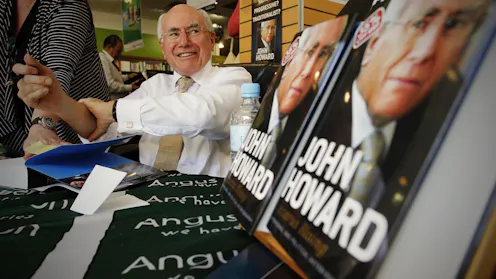
How did our politics become so personal? Performance Politics considers 70 years of books and documentaries, from the Whitlam era to now.
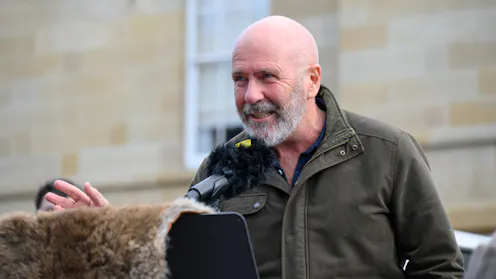
Richard Flanagan is a natural raconteur. While some of his essays seethe with anger, his passion for literature is infectious.
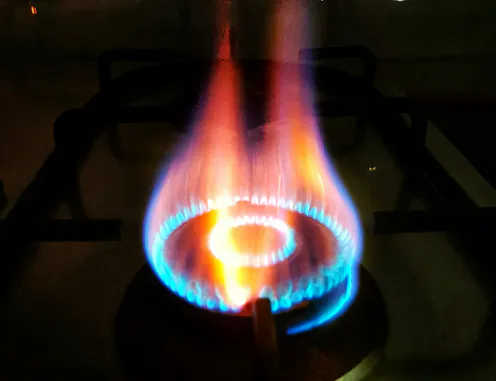
Richard Denniss notes that the export revenue from Australia’ natural gas mostly goes to foreign shareholders.
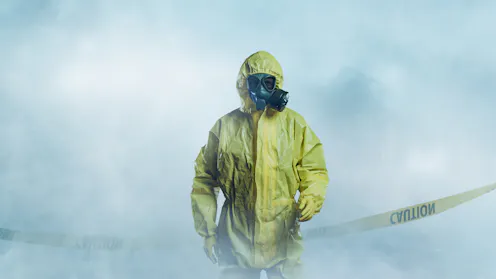
Biological War tells the story of a hypothetical but realistic pathogen that quickly causes anarchy and mass casualties around the world.
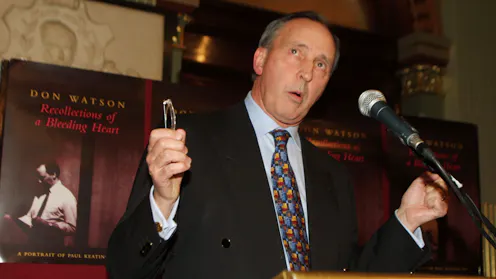
Speechwriter Don Watson’s insider account of the prime minister he worked for, written ‘in tragic mode’, was an instant bestseller – but Keating famously hated it.
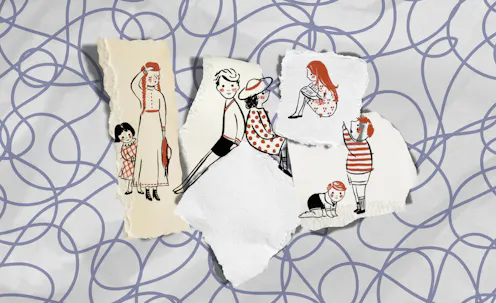
Seven Little Australians was a bestseller on publication. Its vibrant, social-mores-smashing heroine, Judy, has influenced generations of literary rebels since.
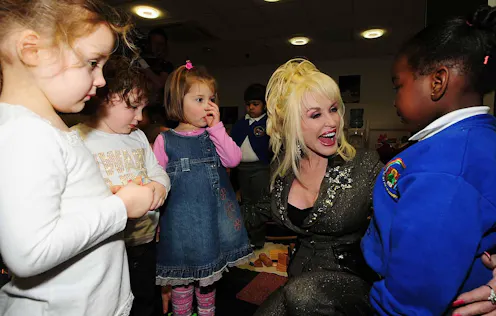
Dolly Parton’s Imagination Library has distributed 318 million books worldwide. Nearly 50,000 Australian children are receiving a free book every month.
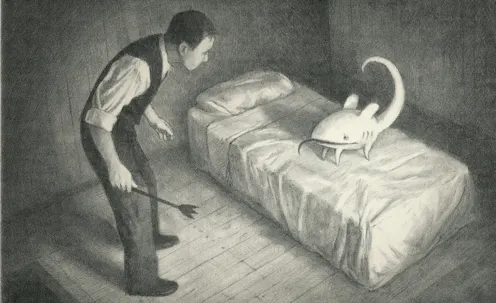
Shaun Tan’s groundbreaking graphic story, The Arrival, counters the dangerous fantasy of a homogeneous (white) Australia – and invites us to inhabit the other.
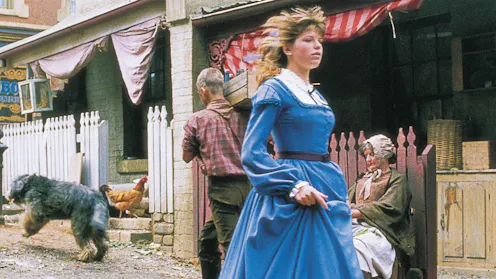
Ruth Park’s classic asks us to inhabit the past as a real place – just as 14-year-old Abigail does, when she’s transported from 1980 to 1873, in Sydney’s The Rocks.
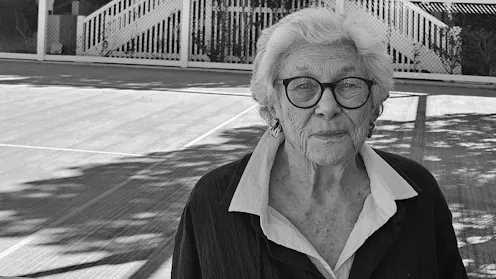
Valerie Brown’s experiences with Greenpeace, which she headed when the Rainbow Warrior was bombed, read like a spy novel. But it’s just one way she changed the world.
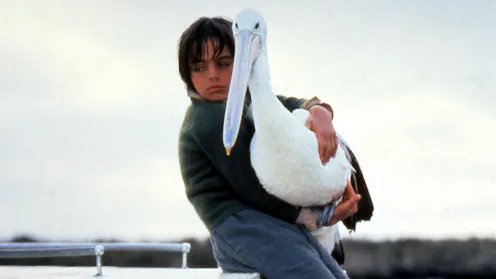
Storm Boy, Colin Thiele’s book set on South Australia’s Coorong bird sanctuary, has been internationally hailed as one of the few lasting children’s classics.
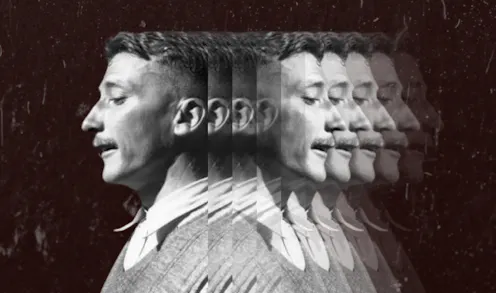
Francis Webb was the first Australian poet to openly discuss mental health crises and the stigmatisation of mental patients.
Hannah’s cousin died and she didn’t have to. Wormhole investigates the dark world of alternative wellness online – and the comforts and dangers of such communities.
It’s a library’s duty to balance representing its community with providing a broad range of books – including those that may challenge or discomfort.
It’s increasingly rare for us to respectfully disagree these days. Book clubs invite us to do just that – while making time for a good read.
The Twilight of Exceptionalism is a story of problems unsolved and potential unfulfilled.
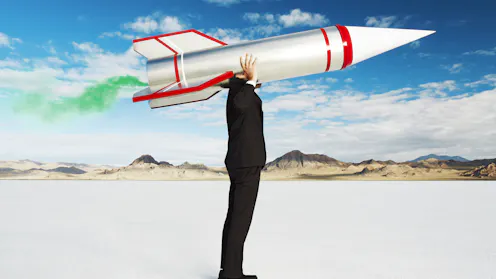
In Blue Giant, a reality TV trip-to-Mars novel, Jordan Prosser proves he’s a dazzlingly brilliant wordsmith – but is he too clever by half?
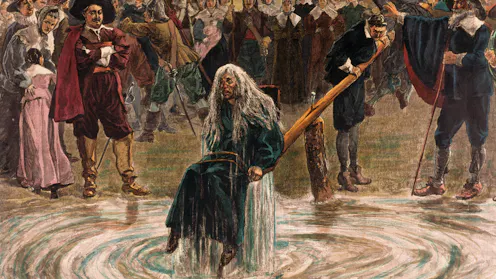
Good Witch, an investigation of Europe and North America’s infamous witch hunts, is good on historical empathy, but too hard on men in general.
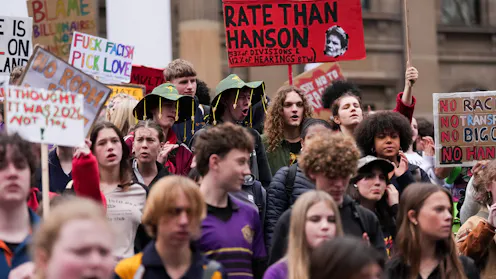
In our age of ‘hyperpolitics’, what does meaningful change look like? Anton Jäger’s buzzy new book has some answers – but could go harder on neoliberalism.