
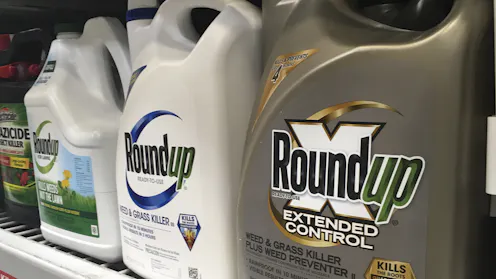
A case involving the potential dangers of glyphosate, the active ingredient in the weed killer Roundup, relates to broader efforts to protect consumers.
Environment + Energy – Articles, Analysis, Opinion
Displaying 101 - 125 of 3160 articles
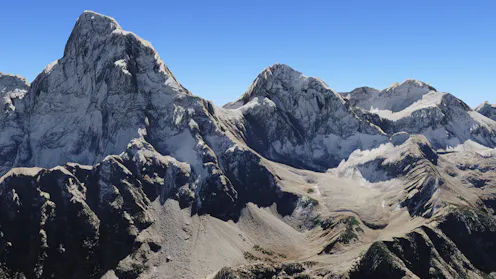
They’re called rock glaciers, and they might not look like much, but they’ll continue to provide meltwater after the world’s iconic white glaciers are gone.

A public health researcher explains the signs to watch for that someone is developing heat exhaustion or heat stroke, and what to do.
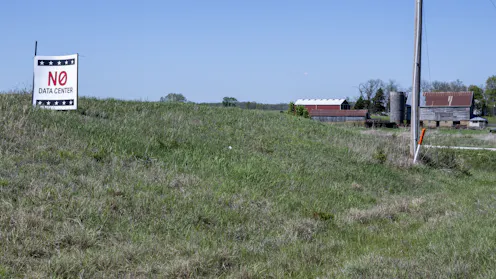
Data center proposals are often local controversies with significant underlying principles at stake.
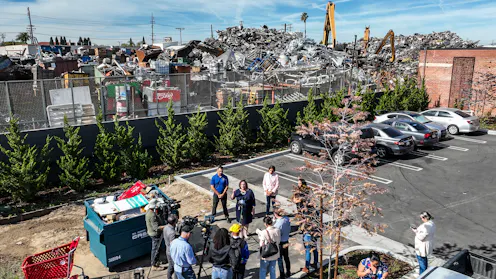
Detailed data is useful for understanding and addressing environmental effects on people’s lives in ways that become difficult or impossible if only the broadest and blurriest picture is developed.

Every year, the number of human-caused fires spikes on July 4, and many of them are related to fireworks. When trees and grasses are dry and the temperature high, the risk rises even more.
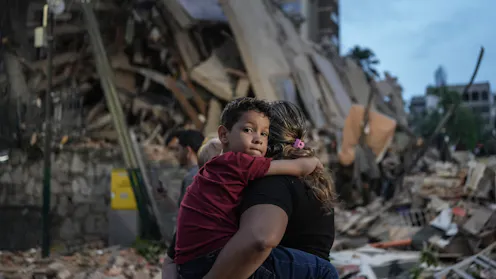
Both faults are along plate boundaries that move in similar ways and have ruptured in enormously destructive earthquakes in the past.
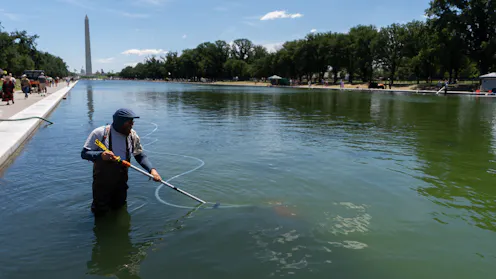
As the national conversation shifts to political finger-pointing, an important environmental question deserves careful scrutiny: What is the best approach to maintain urban water quality?

Decades of farmers using more fertilizer than they needed have quietly built up large reserves of nutrients in the soil.
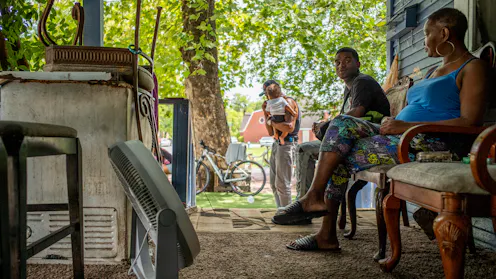
Heat waves can be dangerous, and the conditions indoors can be worse than outdoors. A study of all the single-family homes in Austin, Texas, shows why.
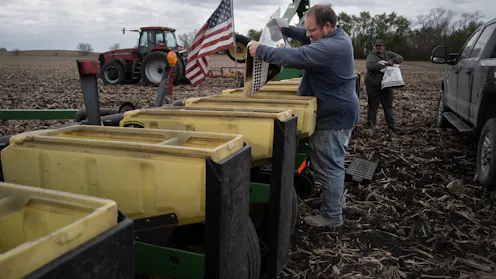
When huge companies assert their patents, smaller businesses and public plant breeders are dissuaded from conducting research that might not be illegal at all.

At the heart of combating misinformation is critical thinking and recognizing when you’re being spun for corporate profit.
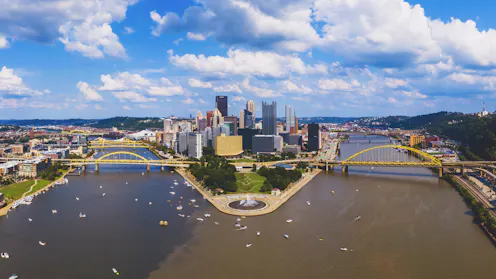
A newly drafted Pittsburgh Steelers player asked whether the city’s rivers are safe for swimming. A water researcher explains what ‘swimmable’ really means regarding the three rivers.

Local needs, political tensions and corporate power all get involved in the democratic processes by which Americans govern their communities.
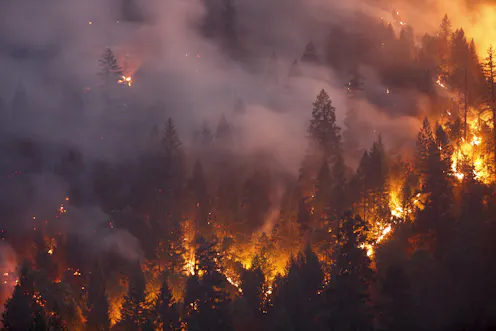
Heat waves do more than dry out vegetation that can easily burn. They also play a role in lightning strikes, particularly dry lightning.
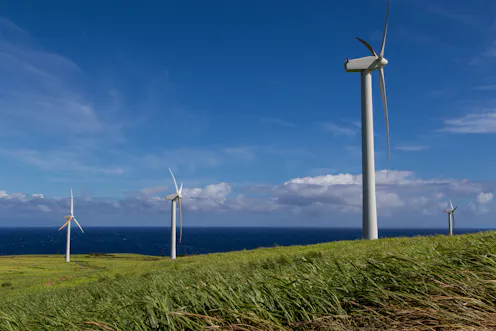
Many steps that are good for clean energy also dovetail with federal priorities, from affordable housing to data centers and rural development.

There are opportunities at every level of the US energy market to save consumers money – if governments, companies, communities and individuals choose to act.
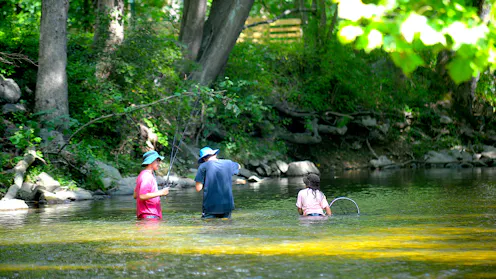
An environmental engineer who mapped microplastic pollution in three of Pennsylvania’s watersheds explains what it means for our health.

Electric utilities don’t make money from selling power to customers, but instead profit from investments in power plants, wires, substations and other equipment.
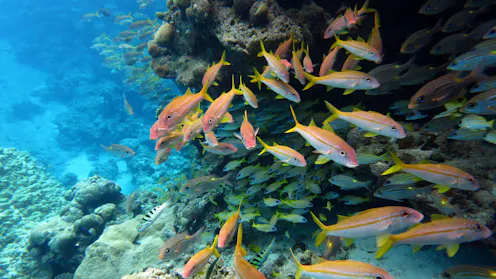
So far, about 10% of the ocean has formal protection as countries work toward the 30x30 goal, but many areas are still protected on paper only.
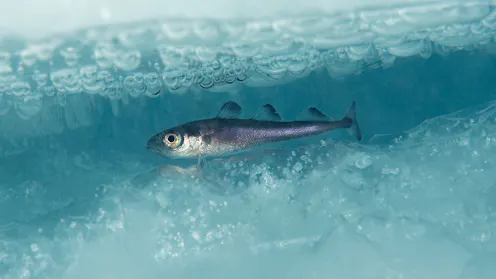
As sea ice melts, more of the Arctic Ocean opens up. A former ambassador explains how this treaty creates time for scientists to figure out what lives there.
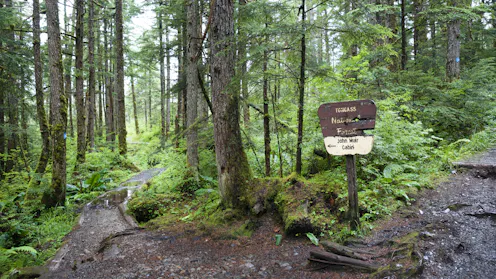
The constant noise of traffic is so ubiquitous, it is barely noticeable to our ears – until we step into a roadless forest and experience true quiet.
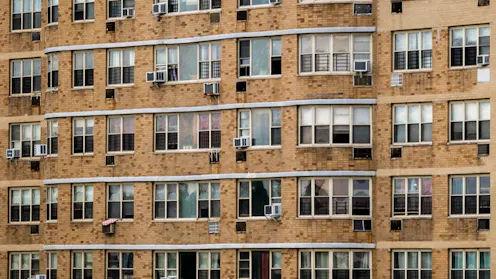
Permanently installing a heat pump system in a building is expensive. But new window units can deliver many of the benefits with far less cost and go with renters when they move.
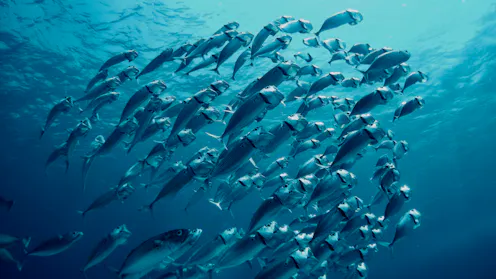
El Niño can trigger intense periods of extreme ocean warming known as marine heat waves that can devastate marine life.
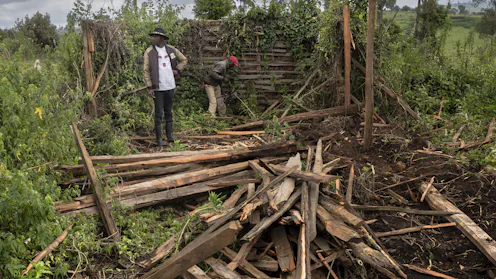
Efforts to protect land and environmental resources, including fighting climate change, often end up displacing people who have lived in those places for generations.