
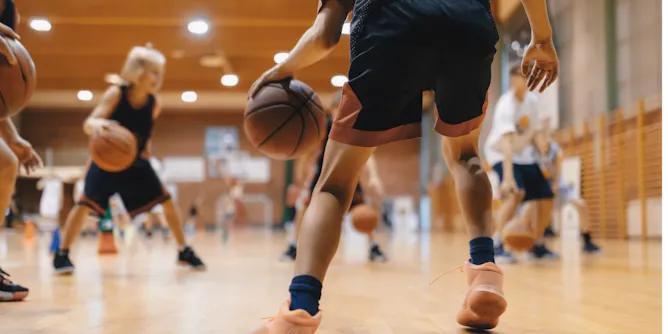
As athletes strive to reach their physical potential, their cognitive abilities are often overlooked. New research shows this may hinder young sports players.
Articles on Youth sports
Displaying 21 - 40 of 68 articles
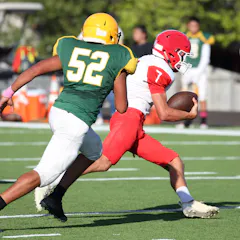
Young athletes may be uncertain if they are experiencing a concussion or might not think the injury is serious or bad enough to warrant telling someone.
There is an urgent need to shift sports administration to Health Canada, which should prioritize the health and well-being of all athletes, especially children.
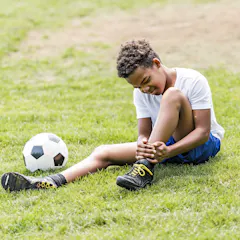
The rate of injury for single-sport adolescents is far higher than for other kids who play a variety of sports.

A focus on sporting success can compromise children’s wellbeing and safety.
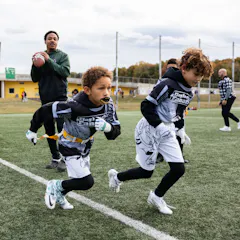
The NFL’s embrace of the sport points to a promising future. But gender and political divides could stand in the way.

We are witnessing an overdue shift towards normalizing male athletes seeking help and gradually speaking more openly and vulnerably about mental health.

Hockey culture’s tendency to prefer attributes like mental toughness over emotional vulnerability can damage athletes when they’re confronted with traumatic events. This needs to change.
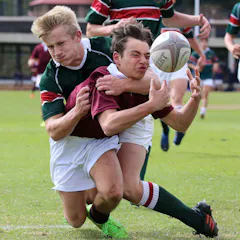
Young or old, men or women. All can be at risk of concussion while playing contact sport. Here’s what we know happens in the brain.
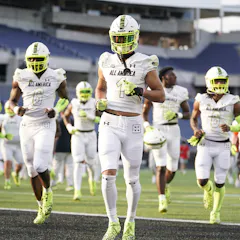
Well-publicized professional sports stars’ injuries draw attention to dangerous influences on young athletes.
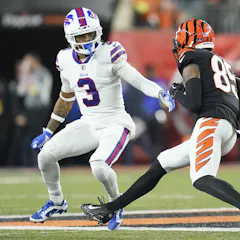
Commotio cordis is the result of blunt trauma to the heart, and is one of the leading causes of sudden cardiac death in youth sports. Improvements in protective equipment may help prevent it.
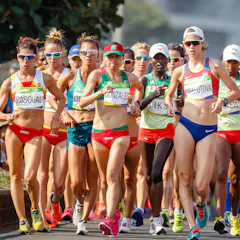
A Colombian program to help disadvantaged youth used sport to help them steer clear of the dangers they faced on a daily basis, including violence, prostitution, drug addiction, vandalism and gangs.
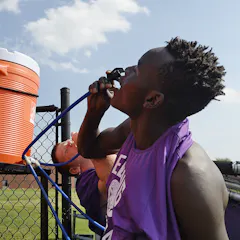
The first two weeks of preseason training are the toughest as players’ bodies acclimatize to running hard in the heat. An exercise scientist explains the risks.

College admissions advantages for recruited athletes likely perpetuate educational inequality even more than those given to children of alumni.
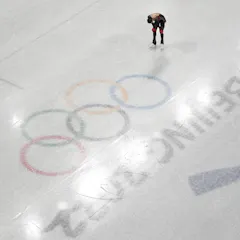
Banning young athletes from the Olympics would mean we miss their spectacular performances, but considering all we know about overtraining, exploitation and abuse in sport, that might be OK.

New research suggests parents are too focused on their children’s competition to spend time or money on things that don’t involve the tournament, hotel stays or quick dining.

Many aspects of American society, from language to sports to fashion, remain structured or separated by gender.
Since there is no typical transgender athlete, broad rules don’t seem appropriate. But that’s exactly what legislation seeks to do.
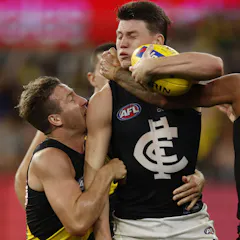
Rocked by recent events on the dangers of concussion at the elite level, the AFL has a perfect opportunity to adopt a wider lens and mobilise its network to keep footy safe, especially for the kids.
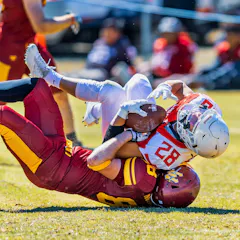
Every year, about 10 per cent of youth athletes experience a concussion. Research shows there are steps we can take to help prevent these injuries, but we can’t be afraid to make changes.
Top contributors
-

Professor of Ethics, Strategy, and Public Policy, University of New Orleans; Institute for Humane Studies
-
Professor of Sociology, Villanova University
-
Professor, Département des sciences de l'activité physique, Université du Québec à Montréal (UQAM)
-
Emeritus Professor of Cultural Research, Institute for Culture and Society, Western Sydney University
-
Senior lecturer Physical Education and Sport Coaching, Liverpool John Moores University
-
PhD candidate in Sociomedical Science, Columbia University
-
Senior lecturer in Physical Education, Liverpool John Moores University
-
Senior Lecturer in Sports Science, Swansea University
-
Vice Chair, Department of Neurology, University of Florida
-
Assistant Professor of Kinesiology, Health, and Nutrition, The University of Texas at San Antonio
-
Professor of Journalism, Indiana University
-
Professor in Public Health, Institute for Health Research, University of Notre Dame Australia
-
Professor of Chemistry, Michigan State University
-
Professor of Human Development and Family Studies, Colorado State University
-
Professor of Chemistry, Michigan State University