
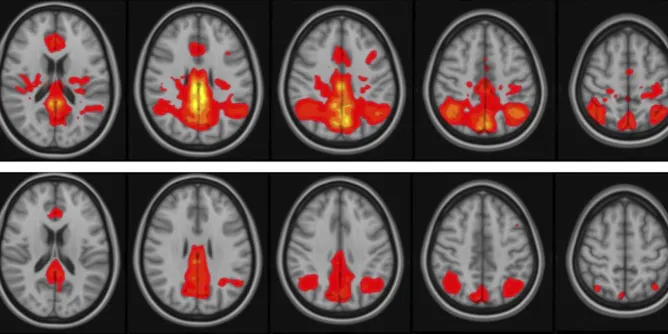
Concussion is considered a ‘mild’ injury, but effects can last a lifetime, especially with multiple impacts. Understanding their long-term effects can help predict who might develop neurodegeneration.
Articles on Chronic traumatic encephalopathy
Displaying 1 - 20 of 42 articles
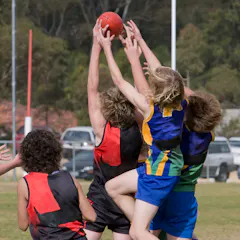
Chronic traumatic encephalopathy is often assumed to be a disease which develops later in life, but a new study clearly shows it can start early in the brains of young athletes.
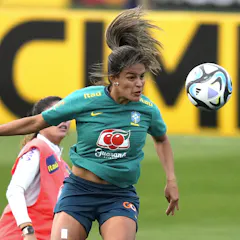
Many concussions in soccer occur when two players compete to head the ball. But extra technique training, modifying how we play the game, and more ‘red cards’ help cut the risk.

Chronic traumatic encephalopathy is a devastating form of dementia, which causes a decline in brain functioning and increased risk of mental illness.
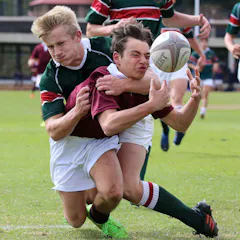
Young or old, men or women. All can be at risk of concussion while playing contact sport. Here’s what we know happens in the brain.
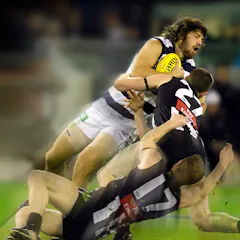
A sports law expert and ex-Victorian WorkCover Authority general counsel explains why Australia’s professional players aren’t covered by the same injury rules as other workers – unlike in New Zealand.
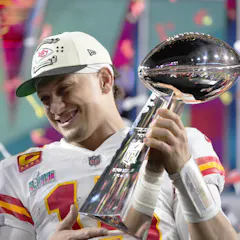
The Super Bowl is more than a game — it’s an ecosystem of parties, the halftime show, the ads and 100 million people watching despite the sport’s ugly and dangerous side.
Listen to the second episode of our series Uncharted Brain: Decoding Dementia via The Anthill podcast.
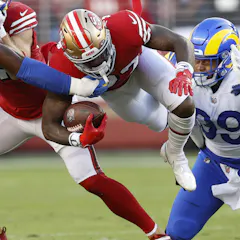
Researchers spoke to families of athletes who had suffered from traumatic brain injuries during their sporting careers.
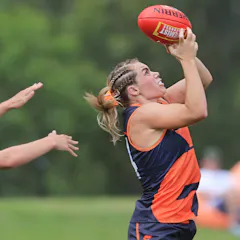
Jacinda Barclay, an AFLW player who died last year, has had her brain donated to concussion research. In general, women are understudied regards to their long-term brain health.
Our research, conducted on elite rugby players, may someday mean concussions can be diagnosed right on the pitch.
Rocked by recent events on the dangers of concussion at the elite level, the AFL has a perfect opportunity to adopt a wider lens and mobilise its network to keep footy safe, especially for the kids.
Why tackling in kids rugby must be banned to curb dementia risks.
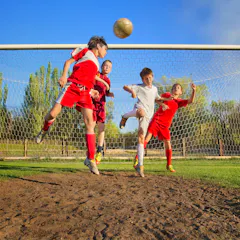
Brain trauma in sport is a public health crisis. A heading ban should be extended to all children.
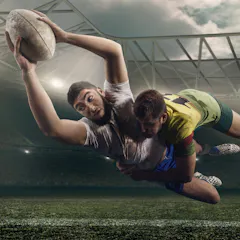
Thankfully treatment has moved on from the cold sponge of the amateur era. But brain damage continues to be a serious risk in many sports.
Although a great deal of research is still required, it may one day be possible to identify and treat people either with CTE, or at risk of it.
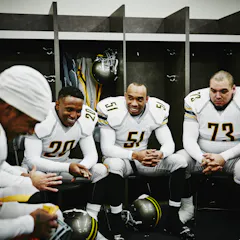
When college athletes practice or play, they’re really performing work. But are they able to speak up when the work conditions threaten their health? And what happens when they do?
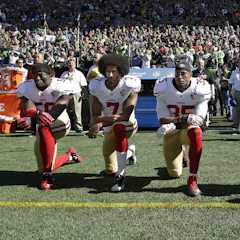
From Super Bowl ads to Netflix documentaries, the complicated issues of criminal justice are portrayed in simplistic and highly political ways.

Pecking holes in a solid wood tree trunk would give you a headache, if not serious brain damage. What special assets allow a woodpecker to do it?
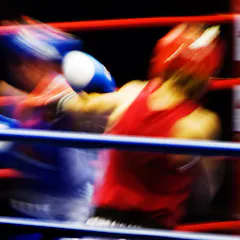
New research reveals that routine sparring can have immediate effects on the brain, putting athletes at greater risk of injury when brain-muscle communication is impaired.
Top contributors
-

Head Of Department in Department of Sport & Event Management, Bournemouth University
-
Senior Clinical Psychologist, The Cairnmillar Institute
-
Professor of Masculinities, Sexualities and Sport, University of Winchester
-
Research Fellow, UQ School of Human Movement and Nutrition Sciences, The University of Queensland
-
Lecturer, Oxford Brookes University
-
Research Associate - School of Kinesiology, Western University
-
Professor, Adjunct Research Fellow, School of Health Science, Swinburne University of Technology
-
Assistant Professor, Faculty of Law, Bond University
-
Senior Lecturer in Sport and Exercise Psychology, University of Winchester
-
Course Coordinator & Lecturer, Physiotherapy, Australian Catholic University
-
Senior lecturer in Sport, Exercise and Nutrition Sciences, University of Lancashire
-
Clinician-Scientist, University Health Network and Associate Professor, University of Toronto
-
Senior Lecturer in Physiotherapy, University of Sydney
-
Associate Professor, Faculty of Law, Monash University
-
Assistant Professor, Clinician Scientist (Physiotherapist), Faculty of Kinesiology, University of Calgary