
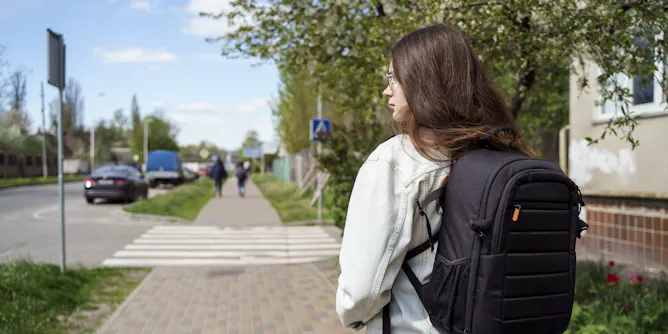
Young people who have been in care come up against a ‘cliff edge’ when they are expected to become independent.
Articles on Youth homelessness
Displaying 1 - 20 of 24 articles

Some of the work that needs to be done should start while young people are still in care.

One person said it’s crucial people who’ve experienced homelessness are central to service design and policy, and ‘it’s not coming from people in really nice suits’.
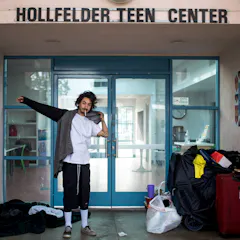
Youth who are homeless are often missed by official counts, but new methods may lead to improved counts.

Our governments now have all the evidence they need to end homelessness. The new National Housing and Homelessness Plan is an opportunity to put it into practice.
The last time an Australian government made housing the homeless a priority was 15 years ago. The Albanese government’s promised plan is a second chance to get it right by drawing on models that work.
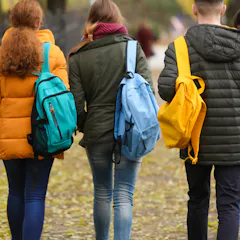
Ontario’s new policy on youth leaving care comes into effect April 1. While the policy provides welcomed support for youth, there are still gaps that need to be addressed.

In any given town, community and neighbourhood there will be homeless children, sometimes as young as 10, who are surviving without the effective care and protection of parents or guardians.
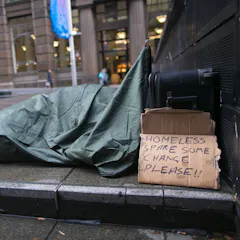
To really reduce homelessness we need to prevent those at risk from ever becoming homeless in the first place.
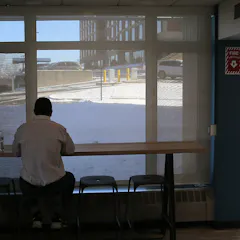
Even when the economy is strong, these young adults face economic hardship.

JobKeeper, the COVID boost to JobSeeker, and moratoriums on rent increases and evictions all ended this month. Only smarter policies will prevent homelessness, as a landmark Victorian report explains.

The system isn’t working to prevent young Australians becoming homeless and to house them when they need it. New research finds a shift to proven community-based approaches can end decades of failure.

Research shows meaningful and accessible activity like sports and arts may have significant impacts for homeless youth or youth at risk of homelessness.
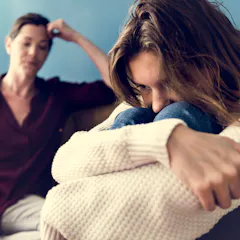
For families living in poverty, making their 16 or 17 year old child homeless may be the only option to keeping them all afloat.
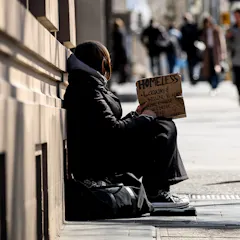
Young refugees are at high risk of being homeless in Australia. A five-year study has found re-establishing connections with their communities was the pathway out of homeless for most of them.
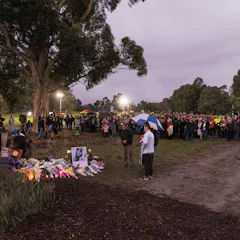
The brutal killing of a young homeless woman has led to calls for more crisis accommodation. This is a short-term fix. We have to move beyond crisis management to sustained housing for people at risk.
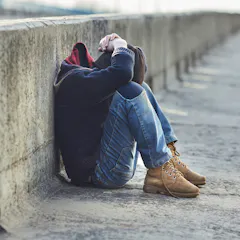
In 2008, Australia had a national homelessness strategy, plus a ten-point roadmap to reduce youth homelessness. Why has it fallen so far short of its goals, and what still needs to be done?
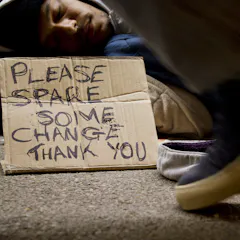
Problems such as mental illness and drug addiction are confined to a minority of homeless people – and it’s preventing others from getting help.

Roughly 700,000 students ages 13 to 17 have experienced homelessness in the last year. An education researcher says the obstacles that these students face can threaten their college dreams.
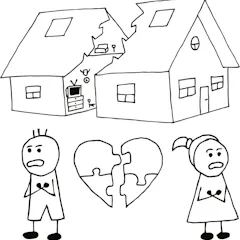
Parental separation substantially raises the risk of homelessness by the age of 30 for girls and boys, but only boys are affected by a break-up after the age of 12.
Top contributors
-

Associate Professor, Adelaide University
-
Adjunct Senior Research Fellow, Gonski Institute for Education, UNSW
-
Senior Research Fellow, Housing, Homelessness & Urban Studies (HHAUS) research group, Swinburne University of Technology
-
Associate professor, The University of Queensland
-
Associate Professor of Education and Counseling, Villanova University
-
Director, Kath McFarlane Consulting & Adjunct Associate Professor, The Kirby Institute, UNSW
-
Professor of Housing Economics, UNSW
-
Professor of Law, Discipline of Law, Justice and Society, Adelaide University
-
Professor of Social Policy, University of York
-
Professor in Finance, Charles Sturt University
-
Associate Professor in Housing and Communities, University of Tasmania
-
Assistant Professor, Department of Social Science, York University, Canada
-
Senior Lecturer – Youth Work and International Development, Australian Catholic University
-
Associate Professor, Kinesiology and Health Studies, University of Regina
-
Senior Lecturer, Youth Work & Youth Studies, Social Equity Research Centre, RMIT University