
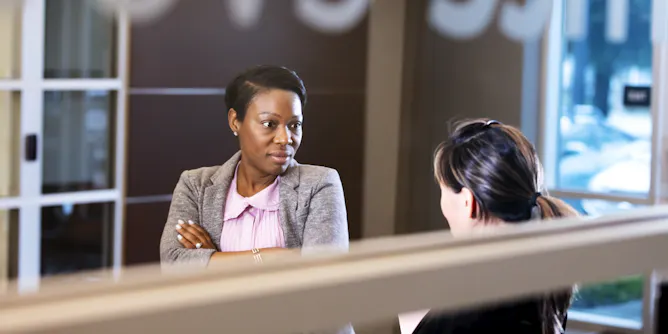
Apps and websites that cropped up in the wake of #MeToo can’t fully capture the dynamics that make informal offline networks function.
Articles on Workplace sexism
Displaying 1 - 20 of 41 articles

While the issues within one of Australia’s most powerful unions need urgently addressing, fixing the conditions that keep women out of the industry looms as a much larger problem.

These women most often experienced workplace sexual harassment when they were in temporary, casual or contract positions.
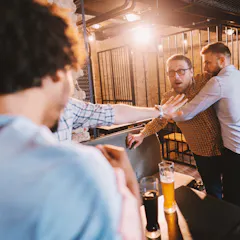
Our research with 124 Australian hospitality staff found women bar workers were routinely seen as ‘better suited’ to manage the threat of violence - which is both risky and exploitative.

Expert tips on navigating office politics and supporting your team, even if you’ve never done it before.

Women resort to confidentially alerting co-workers, colleagues or classmates about harassment when they don’t trust the official channels for lodging complaints.

While women felt more included when they perceived male colleagues as allies, men who saw themselves that way reported more personal growth as a result.

An experimental study found that the vast majority of women didn’t support a pay policy that corrected for an advantage they received, slightly more than men in the same position.

Universities are a step ahead in having adopted a number of practical changes, but it’s clear transformative cultural change in our institutions requires all the expertise they can muster.

Alcohol is not the reason people harass, bully or intimidate. The fundamental problem behind those behaviours is attitudes to women. Testing on-site doesn’t address those deeper cultural issues.

Women suddenly saddled with increased caregiving duties – whether for children or elderly parents – have been forced to reduce their hours, which hurts their careers and lifetime earnings.
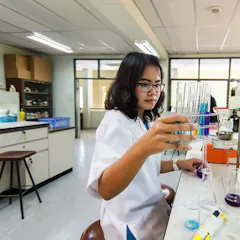
Scientific research can be a daunting career choice for women of colour, according to a recent survey which found they face a “barrage of brief, everyday racial slights” at work.
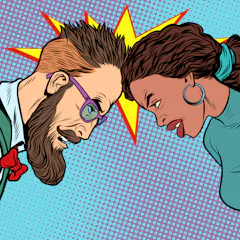
Gender stereotyping might be funny, but it’s no joke. A public health professor explains why she took action against everyday sexism when she heard it in a radio advert.

From 2000 to 2013, less than a third of gendered pronouns within articles (for example, ‘he’ and ‘she’) referred to women.

Women shouldn’t be asked to handle mansplaining in the workplace. Organizations should handle it for them, or the men responsible should stop doing it.

Under representation of women in the science and engineering career fields is a result of poor work life balance.

The 10,300 women serving in fire departments across the US face ill-fitting gear, hostility and sexism. But in the end, they say, people “don’t care you’re a woman when their house is on fire.‘

We could expect a change in language to decrease gender disparities across a host of measures, including wages, educational attainment, and leadership positions in corporate and political life.

Sexism has long been an unfortunate feature of the workplace, but is male privilege still a problem when the gig economy makes most of our office interactions virtual?

Secret payments in exchange for silence regarding work-related sexual abuse are usually tax-deductible. How about changing that?
Top contributors
-

Assistant Teaching Professor of Women’s and Gender Studies, Iowa State University
-
Professor of Law, University of Oregon
-
Senior Lecturer in Human Resource Management, Cardiff Metropolitan University
-
Professor of Political Science and Chair of the South African Research Initiative in Gender Politics, Stellenbosch University
-
Lecturer in Education, Charles Darwin University
-
Professor, Curtin University
-
Professor of Sociology, Harvard University
-
Assistant Professor of Psychology, Villanova University
-
Assistant Professor of Psychology and Human Resource Development, Villanova University
-
Associate Professor, University of the Free State
-
Senior Lecturer in Management, Queen's University Belfast
-
Canada 150 Research Chair in Gender and Cultural Informatics, University of Alberta
-
Lecturer in Equine Medicine, University of Surrey
-
Senior Research Fellow, Max Planck Institute for Innovation and Competition
-
Associate Professor, Sociology, University of California, Santa Barbara