
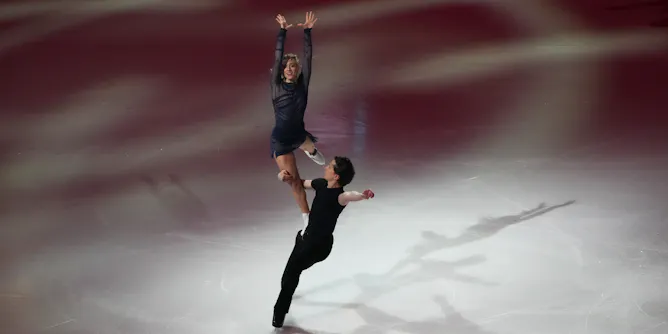
Watching, modeling and even playing winter sports help students internalize physics concepts, including acceleration, momentum and friction.
Articles on Winter Olympics
Displaying 21 - 40 of 80 articles
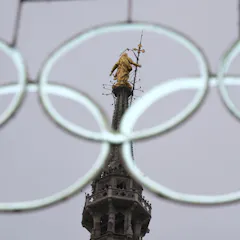
Sporting rivalries, national ambitions and global politics are set to intersect in ways rarely seen before in the upcoming Winter Olympics.
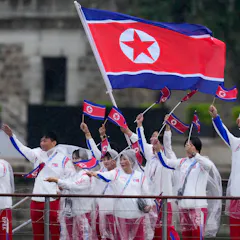
One of the world’s most secretive states, North Korea, has resumed its ‘sports diplomacy’ at Paris 2024.

The 2024 Summer Games are going all in on renewable energy, recycled materials and more to shrink their carbon footprint. They’re a test bed for how big events can do better for the environment.
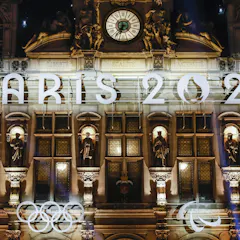
All the attention is on the Paris summer games starting in July, but there’s plenty else to get excited about this year.
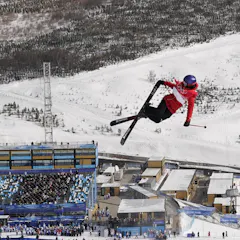
Innovation made the 2022 Winter Games possible in Beijing, but snowmaking has limits in a warming climate.
As temperatures warm, ski and snowboard resorts are investing more in snowmaking and seeing their seasons shrink. Those costs roll down to customers in an already expensive sport.
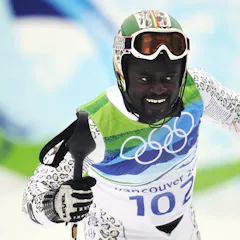
Il y a très peu de neige en Afrique, mais, depuis 1984, au moins un pays africain a participé à chaque édition des Jeux olympiques d'hiver. Ce qui a fait des athlètes envoyés des pionniers.

From projecting onto athletes to aesthetic appreciation, spectators get a surprising amount out of watching other people play sports.
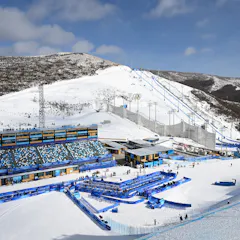
In Beijing’s climate, you could coat a Sydney apartment in a few inches of snow with the same energy the air conditioning would use in an hour.

Plus, the Beijing Winter Olympics are using 100% artificial snow: what does that mean for the environment, and the athletes? Listen to The Conversation Weekly podcast.
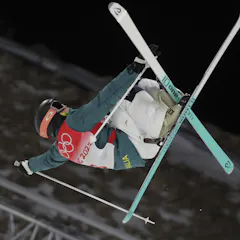
Executing the perfect manoeuvre on the slopes requires foresight, technical skill and being able to think on the go.
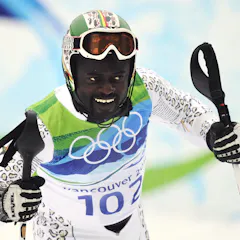
There’s very little snow in Africa but, even so, since 1984 at least one African nation has competed at each winter Olympics and African athletes have been trailblazers.
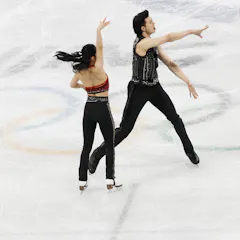
China is at a crossroads: it is retreating from the world’s major economies at the very moment it arguably needs to open up.
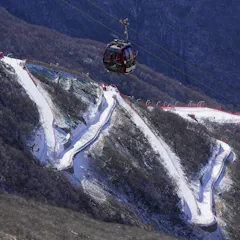
An analysis of 21 former Winter Olympic venues found that only one of them would be suitable and offer safe racing conditions for athletes if greenhouse gas emissions continue to rise.
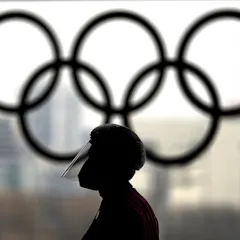
Can the Olympic industry survive the damage that calls for a Winter Olympics boycott are doing to its brand?
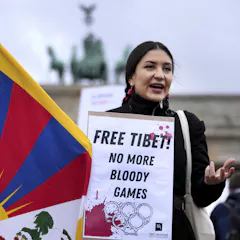
The International Olympic Committee’s position is clear. Human rights be damned. Refugees be damned. The Games must go on. The rest is window dressing.
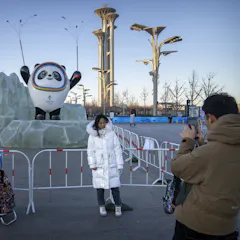
The Olympics, and all “mega sports,” are inevitably embedded in the political contexts of their times. To dismiss or bypass the political issues that arise seems naïve at best.
Beijing 2022 is on track to be the most politically-charged games ever.
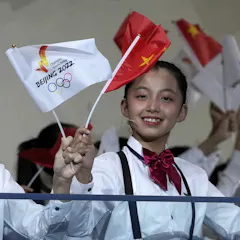
Olympians and Paralympians can uplift the voices of Celil’s family and supporters by calling for his release over the next four months. Academics, journalists and activists should join in solidarity.
Top contributors
-

Honorary Professor, School of Kinesiology, Western University, London, Canada; Adjunct Fellow, Olympic Scholar and Co-Director of the Olympic and Paralympic Research Centre, Institute for Health and Sport, Victoria University
-
Fellow, Saint Mary’s University
-
Professor of AfroEurasian Sport, EM Lyon Business School
-
Principal Lecturer of Physics and Astronomy, Clemson University
-
Professor of Snow Hydrology, Colorado State University
-
Assistant Professor, Sport Ecology, University of Toronto
-
Senior lecturer, Sol Plaatje University
-
Reader in International Journalism, City St George's, University of London
-
Associate Professor of Sport Management, University of Michigan
-
Emeritus Professor of Cultural Research, Institute for Culture and Society, Western Sydney University
-
Professor Emerita of Sociology and Equity Studies in Education, University of Toronto
-
Assistant Professor of Natural Resources, Colorado State University
-
Associate Professor in Sociology, University of Sydney
-
Senior Lecturer in Sport and Leisure Policy, University of Edinburgh
-
Associate Dean Research, Glasgow School for Business and Society, Glasgow Caledonian University