
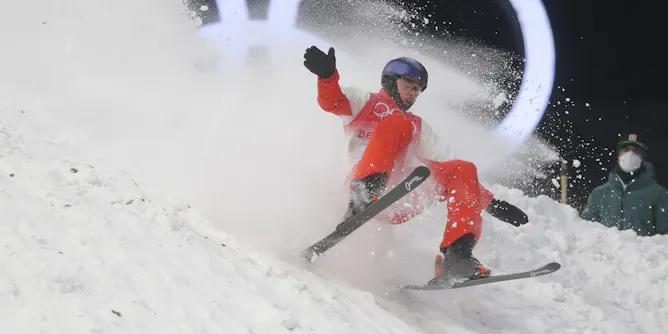
From pioneering green energy grids to mountains of fake snow.
Articles on 2018 PyeongChang Winter Olympics
Displaying 1 - 20 of 70 articles
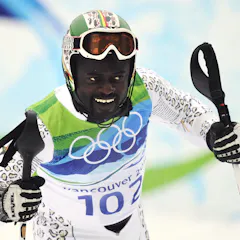
There’s very little snow in Africa but, even so, since 1984 at least one African nation has competed at each winter Olympics and African athletes have been trailblazers.

The decision by the World Anti-Doping Agency to lift its ban on Russia’s drug testing has set off another controversy about whether there will ever be a level playing field in the world of sports.

Depression, substance and financial problems are still major problems for retiring athletes.
We need a radical solution to clean up doping in elite sport.
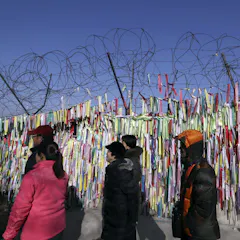
The Trump administration shelved its plans for a ‘bloody nose’ attack while the Olympics in South Korea were under way. With the games over, it’s time to consider the consequences of a strike.

For athletes returning home – especially those who are on the cusp of retirement – the transition can be daunting.
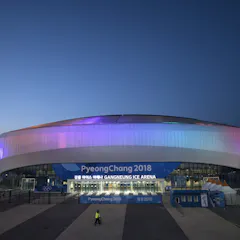
South Korea’s lofty vision of transforming the region into a winter sports hub may be pipe dream.
Measuring the success of the Australian team at the Winter Olympics in Pyeongchang may still be aligned to the ambitious Winning Edge targets.
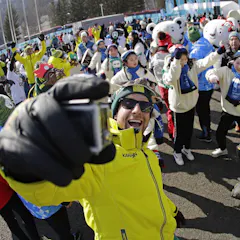
What harm could a simple Tweet possibly have on the performance of an Olympian? More than you might think. Social media can be a distraction that impacts the performance of some athletes.
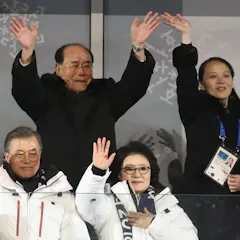
North Korea clearly understands that going straight into high-level negotiations isn’t always the way to make a breakthrough.
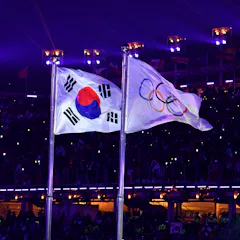
Future Olympics will be required to report on their legacies for up to five years after the event under the IOC’s new framework.
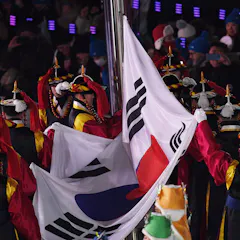
For South Korea, hosting the Winter Olympics is a great opportunity to engage the world with Korean language and culture.
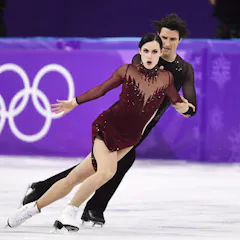
For any athlete to deliver a gold medal performance, mental toughness is an essential ingredient. But what exactly is mental toughness — and how does an athlete develop it?
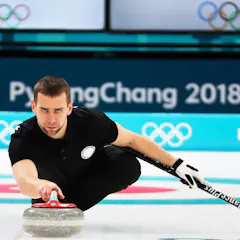
Athletes have, on occasion, mounted successful defences of sabotage in doping cases.

There’s a norovirus outbreak at the Winter Olympics. Here’s what that means – and why it’s so hard to stop.
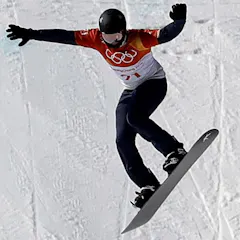
A lack of federal funding for their training, travel or living expenses leaves many elite American athletes juggling day jobs and scrambling to pay their bills.
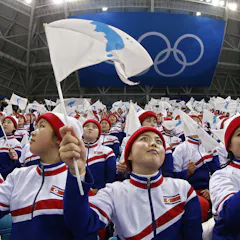
Sometimes diplomacy won the day, sometimes it didn’t.
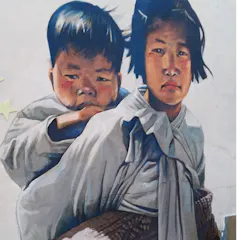
The 1988 Seoul Olympics shed light on South Korea’s institutionalised practice of international adoption.
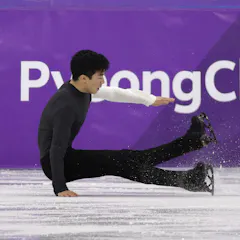
Why can an athlete dominate their sport, but fail to perform when it counts most at the Olympic Games? A number of factors the viewing audience can’t see can explain poor performances.
Top contributors
-

Assistant Professor, School of Media, Toronto Metropolitan University
-
PhD Candidate, Victoria University
-
Head Of Department in Department of Sport & Event Management, Bournemouth University
-
Emeritus Professor of Cultural Research, Institute for Culture and Society, Western Sydney University
-
Associate Professor of Sport Management, Bond Business School, Bond University
-
Professor of Sport and Exercise Psychology, West Virginia University
-
Lecturer in Sport Management, University of Stirling
-
Professor of Sports Law, Melbourne Law School, The University of Melbourne
-
Senior Lecturer in Sport and Leisure Policy, University of Edinburgh
-
Senior Lecturer in Events Management, University of Brighton
-
Associate Professor of Classics, University of Winnipeg
-
Associate Professor of Mechanical Engineering- Materials and Solid Mechanics, University of Maryland, Baltimore County
-
Associate Professor, Faculty of Business, Government and Law, University of Canberra
-
Professor of Physiology, Columbia University
-
Senior Lecturer, Modern European History and Sports History, Macquarie University