
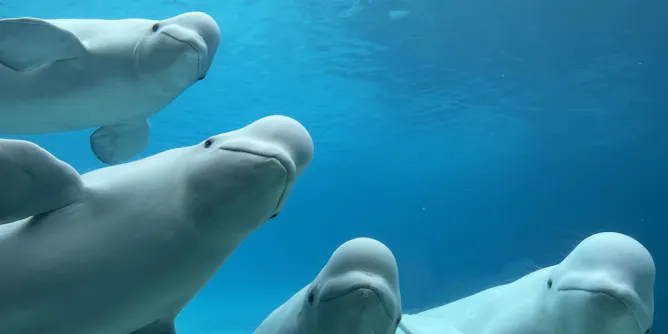
Sea sanctuaries could work well for some animals, but up to this point, only a handful of animals have lived in them.
Articles on Wildlife rehabilitation
Displaying all articles
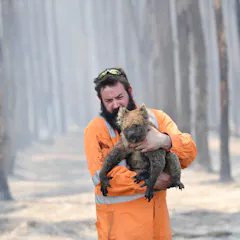
Marsupial rescue, rehabilitation and release statistics from New South Wales and Kangaroo Island during Black Summer fires reveal poor survival rates, despite the courageous efforts of volunteers.
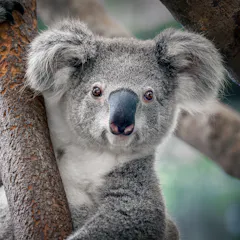
Koalas will need our help more than ever this summer as hot, dry conditions force them to seek water. Here’s how to help keep them safe and what to do if you encounter a koala in distress.

Hundreds of wildlife rehabilitation centers across the US and Canada treat sick and injured animals and birds. Digitizing their records is yielding valuable data on human-wildlife encounters.
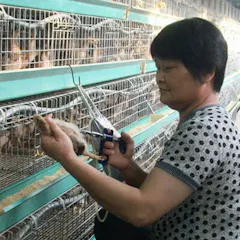
Vaccination against bird flu offers farmers hope, rather than being caught between the anguish of finding a sick bird and the desolation of having to slaughter their entire flock.
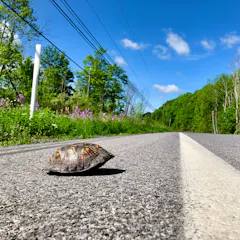
A newborn bison calf in Yellowstone National Park had to be euthanized after a visitor handled it in May 2023 – a recent example of how trying to help wild animals often harms them.
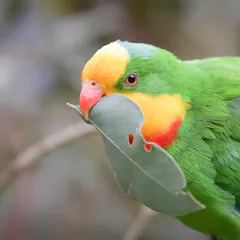
Despite declines of Australia woodland birds and ongoing conservation investment, we don’t have many studies that show exactly how effective different management actions are for these species.
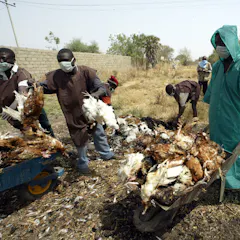
Bird flu has been recurring in Africa since 2006 and Nigeria is heavily affected. High-level biosecurity measures are required to keep people and animals safe.

Avian influenza viruses have evolved to infect birds, but the current H5N1 outbreak is also infecting a wide range of mammals. This suggests that it could mutate into forms that threaten humans.
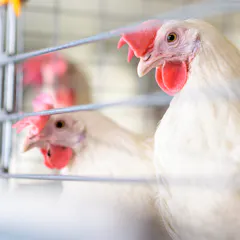
The UK government has set up a special task force to investigate.

Hunters are warned to take precautions handling wild birds, and the virus can spill over to non-avian species, so no one should approach wild animals that appear ill.

Almost half of the rehabilitated possums in our study were killed by foxes shortly after release. Keeping wildlife wild during rescue is hard – but necessary.
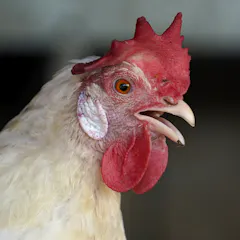
Avian influenza virus — or bird flu — can infect domestic poultry such as chickens and turkeys, as well as wild birds. The H5N1 strain has been identified in Canada.
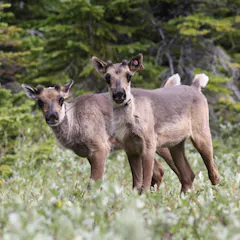
An Indigenous-led effort to increase caribou abundance and cultural practices like hunting is successfully increasing the caribou population
Top contributors
-

Honorary Research Associate, University of Sydney
-
Associate professor, University of Sydney
-
Dean, Ontario Veterinary College, University of Guelph
-
Postdoctoral Researcher, Liber Ero Fellow, University of British Columbia
-
Associate Professor in Veterinary Pathology, University of Sydney
-
Professor of Molecular, Cellular and Developmental Biology, University of Colorado Boulder
-
PhD Student in Interdisciplinary Quantitative Biology and Molecular, Cellular, and Developmental Biology, University of Colorado Boulder
-
PhD Student in Molecular, Cellular and Developmental Biology, University of Colorado Boulder
-
Associate Research Professor of Wildlife Conservation, Penn State
-
Associate Professor (Adj) He/Him, Southern Cross University
-
Professor of Behavioural Ecology, University of Sydney
-
Associate Professor of Biodiversity and Ecosystem Management, University of Leeds
-
Professor of Environmental Management, The University of Queensland
-
Lecturer in Conservation Science, Monash University
-
Professor Emeritus in Terrestrial Ecology, University of Sydney