
The 2022 Australian Unity Wellbeing Index shows cost-of-living pressures are hurting, but declining satisfaction is a longer-term trend.
Articles on Well-being budget
Displaying 1 - 20 of 24 articles
Among the top economists surveyed was the man who designed Australia’s higher education loans scheme – who described funding for vocational education as a “mess”.
From October, Australia will start routinely quantifying the benefits as well as costs of federal spending. It’s already shaping up as the new treasurer’s most important legacy.
What is a well-being budget? It’s a process that seeks to set consistent long-term priorities, instead of changing priorities according to political expediency.
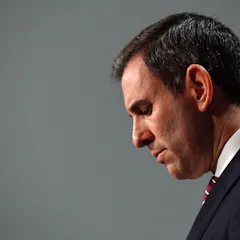
Australia’s treasury helped inspire NZ and other governments to adopt well-being budgets – now, years later, we look set to get one too. So what are the challenges ahead?
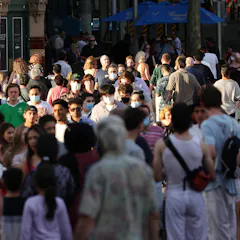
Australians’ average subjective well-being has barely deviated over the past few years. But there have been some remarkable changes among disadvantaged groups.

If wellbeing had been made an explicit goal as it it is in New Zealand, Australia’s budget would have been been different.
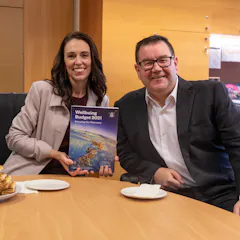
There were no specific initiatives for women’s work in the budget, leaving New Zealand trailing Australia when it comes to gender balance.
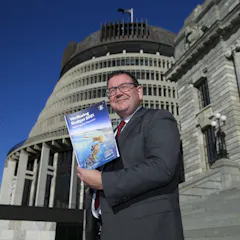
The economic and emotional impact of COVID-19 has not been shared equally. Now is the time to start rebalancing that burden.
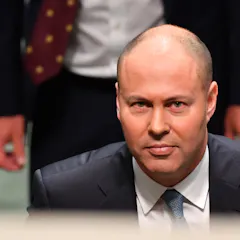
In February Australian Treasurer Josh Frydenberg called the idea of a well-being budget ‘laughable’. It’s time he took it seriously.

This 2020 budget is not the pivot to a green rebuild many had hoped for. But its short-term focus on caring for people’s health leaves the door open to stronger climate action down the track.

When our COVID-19 lockdowns end, we can’t afford to stop caring about collective well-being. NZ is well positioned to show the world how it’s done – if we listen to Māori and other diverse voices.
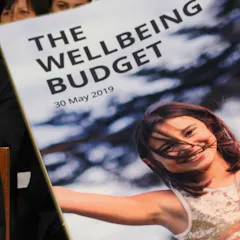
Australia’s treasury adopted a well-being framework well before New Zealand’s much celebrated “well-being budget”. Here’s what happened to it.

A recent report on the state of New Zealand’s environment painted a bleak picture of species losses and freshwater pollution. Budget 2019 signals a shift, but more in intention than sufficient funding.
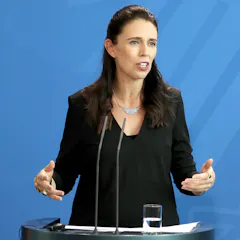
Jacinda Ardern has used the word “transformational” often during her 2017 election campaign. Now the coalition government’s well-being budget is held to that aspiration.

Support for Māori and Pasifika communities was a funding priority in New Zealand’s well-being budget, but a change in values may have greater impact than more money.

Historically, New Zealand’s post-war rate of unemployment was 2% or lower until the early 1980s. Today, 4.4% of New Zealanders are out of work, but the well-being budget is unlikely to bring unemployment rates down.
New analysis shows that if New Zealand replaced GDP with the Genuine Progress Indicator, which accounts for social and environmental costs, it would be only half as well off.

When thousands of New Zealand children were asked what well-being meant for them, most wanted enough money for basics, good relationships and to be free from bullying, racism and discrimination.

Under the New Zealand government’s well-being approach to the budget, funding that will help reduce emissions is linked with economic development and innovation.
Top contributors
-

Director of the Roy McKenzie Centre for the Study of Families and Children, Te Herenga Waka — Victoria University of Wellington
-
Senior Research Fellow, School of Psychology, Deakin University
-
PhD candidate, Psychology, Deakin University
-
Professor of Economics, University of Canberra
-
Epidemiologist & Project Officer, Centre for Social and Early Emotional Development, Deakin University
-
Visiting Fellow, Crawford School of Public Policy, Australian National University
-
Senior Lecturer in Social Sciences and Public Policy, Auckland University of Technology
-
Professor of Politics and Policy, University of Auckland, Waipapa Taumata Rau
-
Professor of Innovation and Economics, Te Kunenga ki Pūrehuroa – Massey University
-
Associate Professor of Philosophy, Te Kunenga ki Pūrehuroa – Massey University
-
Research Associate, Public Policy Institute, University of Auckland, Waipapa Taumata Rau
-
Professor of Wellbeing and Public Policy, Te Herenga Waka — Victoria University of Wellington
-
PhD, University of Waikato
-
Project Manager, School of Psychology, Deakin University
-
Research Fellow and Psychologist, Deakin University