

In nonindustrialized societies, health, productivity and economic security play much larger roles in determining happiness among aging populations, a new study finds.
Articles on Well-being indicators
Displaying all articles

The 2022 Australian Unity Wellbeing Index shows cost-of-living pressures are hurting, but declining satisfaction is a longer-term trend.
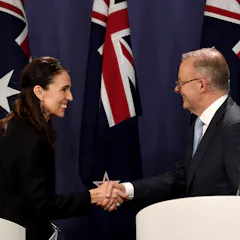
What is a well-being budget? It’s a process that seeks to set consistent long-term priorities, instead of changing priorities according to political expediency.

Australians’ average subjective well-being has barely deviated over the past few years. But there have been some remarkable changes among disadvantaged groups.

Too much time sitting is linked to health risks, and also to lower quality of life. But in some contexts, such as reading, playing an instrument or socializing, sitting had positive associations.
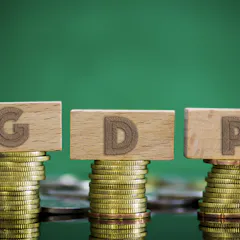
An economist who has studied new ways to improve measures of gross domestic product explains what GDP is and how it could better reflect an economy and the well-being of its inhabitants.

Humans consume excessive resources with little or no benefits to well-being – and the politics of our economy are to blame. To counter the influence of industries in democracy, we must strike.

New Zealand’s upcoming budget takes a well-being approach based on a suite of living standard indicators. But will this be different to what conservative governments elsewhere tried a decade ago?
Top contributors
-

Epidemiologist & Project Officer, Centre for Social and Early Emotional Development, Deakin University
-
PhD candidate, Psychology, Deakin University
-
Senior Research Fellow, School of Psychology, Deakin University
-
Professor of Wellbeing and Public Policy, Te Herenga Waka — Victoria University of Wellington
-
Professor of Economics, Wellesley College
-
Professor, Kinesiology, Western University
-
Research Fellow and Psychologist, Deakin University
-
Professor of Ecological Economics at the University of Lausanne and, University of Leeds
-
Project Manager, School of Psychology, Deakin University
-
Professor emeritus, Deakin University
-
Postdoctoral fellow, Behavioural Medicine Lab, School of Exercise Science, Physical & Health Education, University of Victoria
-
Professor of Economics, University of Canberra
-
Professor, Clinical Psychologist, and NHMRC Leadership Fellow, Deakin Lifespan Institute, School of Psychology, Deakin University
-
Professor of Anthropology, University of California, Santa Barbara
-
Professor, Psychology, Deakin University