

Many politicians cite economic indicators as a measure of success. But what about well-being? Here’s the scene from Saskatchewan following Scott Moe’s win.
Articles on New Zealand well-being budget
Displaying all articles
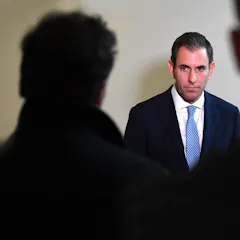
From October, Australia will start routinely quantifying the benefits as well as costs of federal spending. It’s already shaping up as the new treasurer’s most important legacy.
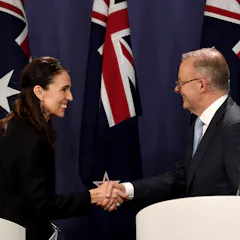
What is a well-being budget? It’s a process that seeks to set consistent long-term priorities, instead of changing priorities according to political expediency.

Women have found innovative and powerful ways to cope during the pandemic – largely because official policy has failed them. That must change.

If wellbeing had been made an explicit goal as it it is in New Zealand, Australia’s budget would have been been different.

When our COVID-19 lockdowns end, we can’t afford to stop caring about collective well-being. NZ is well positioned to show the world how it’s done – if we listen to Māori and other diverse voices.

A recent report on the state of New Zealand’s environment painted a bleak picture of species losses and freshwater pollution. Budget 2019 signals a shift, but more in intention than sufficient funding.
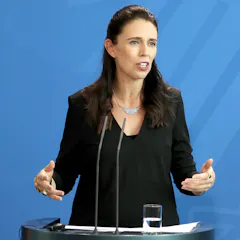
Jacinda Ardern has used the word “transformational” often during her 2017 election campaign. Now the coalition government’s well-being budget is held to that aspiration.

Support for Māori and Pasifika communities was a funding priority in New Zealand’s well-being budget, but a change in values may have greater impact than more money.

Historically, New Zealand’s post-war rate of unemployment was 2% or lower until the early 1980s. Today, 4.4% of New Zealanders are out of work, but the well-being budget is unlikely to bring unemployment rates down.
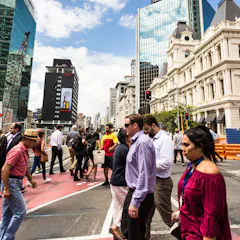
New analysis shows that if New Zealand replaced GDP with the Genuine Progress Indicator, which accounts for social and environmental costs, it would be only half as well off.
Top contributors
-

Professor of Economics, University of Canberra
-
Professor, Gender Equity and Sport, Griffith University
-
Assistant Professor, University of Bath
-
Adjunct Professor, Stout Research Centre, Victoria University of Wellington and Auckland University of Technology, Professor of Political Science, Charles Sturt University
-
Adjunct professor, University of Auckland, Waipapa Taumata Rau
-
Senior Lecturer in Social Sciences and Public Policy, Auckland University of Technology
-
Director, Institute for Governance and Policy Studies, Te Herenga Waka — Victoria University of Wellington
-
Associate Professor of Philosophy, Te Kunenga ki Pūrehuroa – Massey University
-
Professor in Sociology of Sport and Gender, University of Waikato
-
Professor in Ecological Economics, Te Kunenga ki Pūrehuroa – Massey University
-
Visiting Fellow, Crawford School of Public Policy, Australian National University
-
Associate Professor, Johnson Shoyama Graduate School of Public Policy, University of Regina