
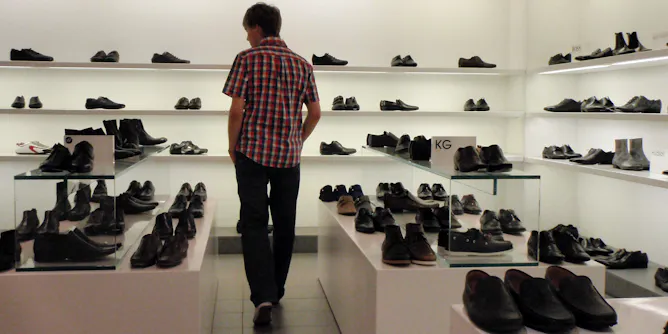
Under some circumstances, people may feel wealthier than they actually are and this makes them psychologically more prone to increase their spending, as well as their borrowing.
Articles on Wealth
Displaying 121 - 140 of 179 articles
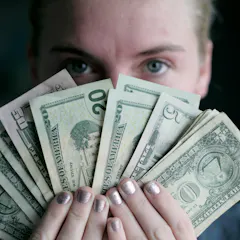
Wealth addiction is as powerful as any other, but instead of urging addicts to get help, we often admire them. Yet they do much more damage to the world at large than your average coke fiend.
Labor’s plan to axe franking credit refunds has reignited debate over the income and wealth of older Australians.
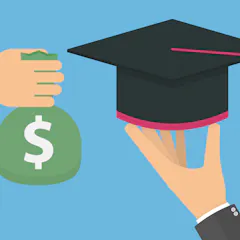
The presidents of the University of Michigan, the University of Oregon and The Ohio State University offer three ways to judge the value of a college education.
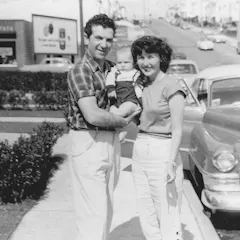
When it comes to incomes, millennials in Australia haven’t fallen behind.

Income inequality, the most common way to measure the gap between the rich and the poor, only tells part of the story. Wealth inequality tells the rest.
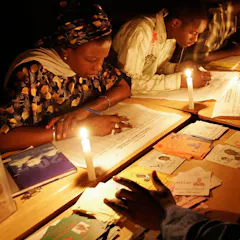
Distributed-energy technologies are a disruptive force that can improve the quality of life for the world’s most disadvantaged and poor.

A scholar suggests a few approaches that have withstood the test of time.
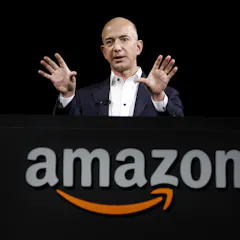
There are about 2,000 billionaires in the world, controlling over $7.6 trillion. How does that compare to the income of an average American?

Wealth managers are playing an increasing role in determining what social causes are funded and how.

The squeeze on wealth in the middle class by those at the top is a long established trend in international inequality data. But the ABS doesn’t provide this information.
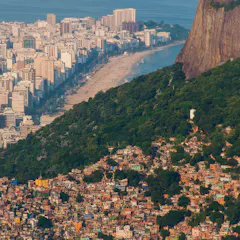
Discussions around inequality have lacked hard data – until now. A new report shows inequality levels around the globe.

Extensive research has been done on poverty and inequality in South Africa but more is needed to better understand the status quo and mainly inter-sectional factors that drive inequality.

Inequality within generations is as pivotal as that between them.
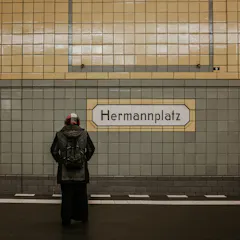
A survey of young voters reveals a lack of engagement in politics.

Between 1982 and 2013, the share of home owners among 25-34 year olds shrunk, by more than 20%. On the other hand, the share of home owners among those aged 65+ years has risen slightly.
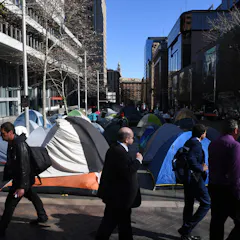
If the gap between the wealth of the billionaires and that of the average residents continues to widen dramatically, there is likely to be discontent.
Inequality actually restricts people from earning more, educating themselves and becoming entrepreneurs.
The two major sources of data show conflicting trends on income inequality.

Individual households in Australia, on average, own 83% of all investment dwellings rented to private tenants or resold. They are people who usually have another main source of income.
Top contributors
-

Pro Vice-Chancellor, Climate, Sustainability and Inequality and Director, Southern Centre for Inequality Studies, University of the Witwatersrand
-
Halford Mackinder Professor of Geography, University of Oxford
-
Visiting Senior Fellow in History, UNSW
-
Emeritus Professor, Department of Political Economy, University of Sydney
-
Professorial Fellow and Co-Director, HILDA Survey, Melbourne Institute of Applied Economic and Social Research, The University of Melbourne
-
Professor of Public Administration, Binghamton University, State University of New York
-
Associate Professor of Engineering, Georgia Institute of Technology
-
Professor, Crawford School of Public Policy, Australian National University
-
Assistant Professor, Goethe University Frankfurt am Main
-
Professor and Research Chair in Inclusive Societies, University of Sheffield
-
Adjunct Professor, Curtin Law School and Curtin Business School, Curtin University
-
Emeritus Professor of Finance and Financial History, The Open University
-
Associate Professor of Business, Boston University
-
Associate professor of Sociology, Boston University
-
Senior Researcher, Southern Centre for Inequality Studies, University of the Witwatersrand