
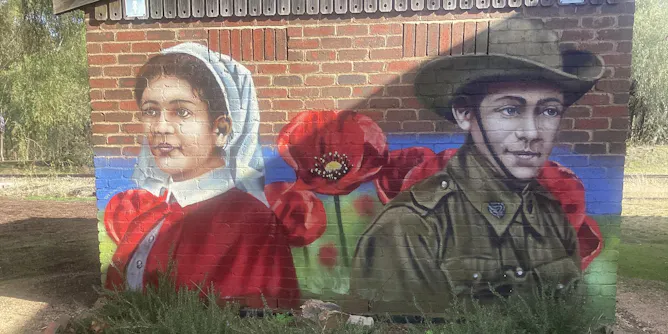
Australia has remembered the Anzacs in many ways – but some memorials toe a fine line between form and function.
Articles on war memorials
Displaying all articles
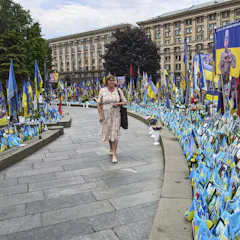
Human society has marked collective dead for millennia. Such monuments have changed with the evolving nature of conflict, something Ukraine is now weighing.
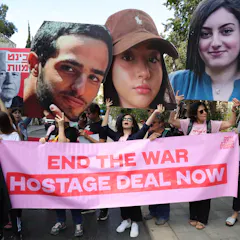
War is escalating in the Middle East and continuing in Ukraine, Sudan and Myanmar. Gun violence in the US is ballooning, too. How do our cultures nurture violence? And can we change?
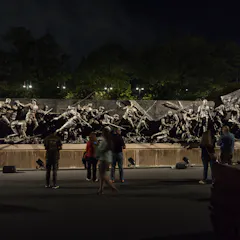
An old-fashioned sculpture to commemorate a century-old war.
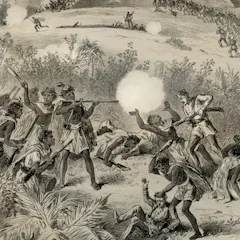
A national day for commemoration of the New Zealand Wars has struggled for attention and public engagement. So did Anzac Day once, and its survival can provide useful lessons.
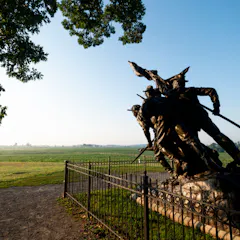
How should opposing armies be commemorated on a battlefield? Gettysburg offers an especially interesting example of today’s debates over Confederate monuments.
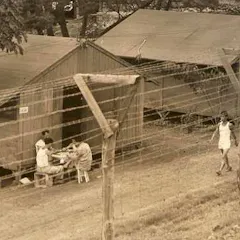
When US President Franklin D. Roosevelt signed Executive Order 9066, he paved the way for the incarceration of Japanese Americans on the mainland and Hawaii

In much of eastern Europe historical memory of communist rule has been brought into sharp focus by the war in Ukraine.
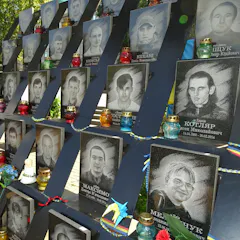
Many countries revere soldiers who have given their lives for their country. What is special about Ukraine’s memorialising is the depth of respect for individual citizens.
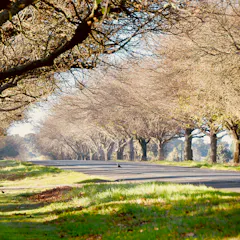
Avenues of Honour were planted to remind us of the sacrifice and suffering of our servicemen and women. But as the years wore on, many declined or disappeared.
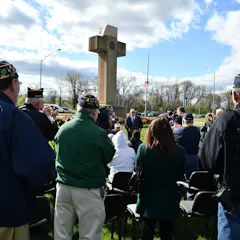
An expert explains why war memorials with religious symbols can have different meanings in a diverse society.
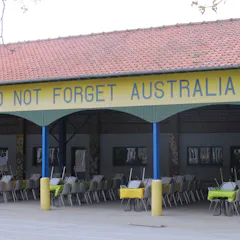
Since the end of the first world war, the Australian media has often reported that ‘the French’ care about, remember and even venerate the Anzacs. But is this true? And which French people?

A case regarding the constitutional validity of a cross shaped war memorial, is pending before the Supreme Court. An expert explains why these symbols have different meanings.
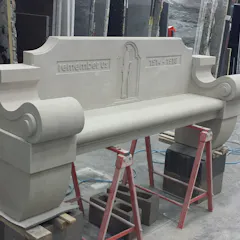
On the 100th anniversary of the end of the First World War, the University of Saskatchewan will be dedicating a memorial bench on the university campus.
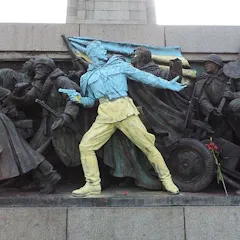
The Soviet programme of building war memorials in Eastern Bloc countries was a bid to win the hearts and minds of future generations.
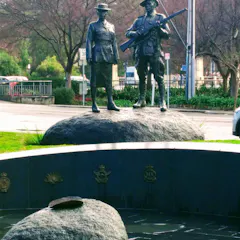
Many of our public commemorations honour people and incidents that brought great harm to others. We need to look at what that says about us, and how we build more inclusive public memorials.
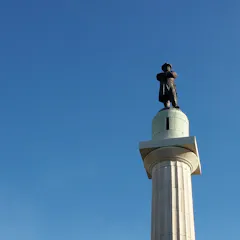
Memorials to confederate generals are lightning rods today for the same racist views they fought for 150 years ago.
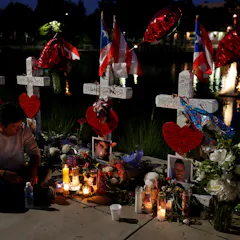
Are Americans at increasing risk of being killed in a terrorist attack? A sociologist explains how the way we remember the dead may make it feel that way.
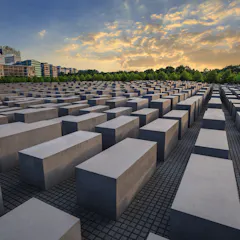
History shows how the act of remembrance has changed over time.
Top contributors
-

Dean and Wake Forest Professor of the Humanities, Wake Forest University
-
Professor, Institute for Media and Creative Industries, Loughborough University
-
Senior Lecturer in Architectural History, Nottingham Trent University
-
Postdoctoral fellow, University of Waterloo
-
Distinguished Professor Emeritus, History, University of Saskatchewan
-
Professor of Sociology, University at Albany, State University of New York
-
Lecturer in History, University of Auckland, Waipapa Taumata Rau
-
Assistant Professor of U.S. Public History, University of South Florida
-
Research Associate, University of Manchester
-
Professor of Geography, Oklahoma State University
-
Honorary Research Fellow, University of Manchester
-
Tutor in International Relations and History, The University of Melbourne
-
Professor of Archaeology, College of Humanities, Arts and Social Sciences, Flinders University
-
Associate Professor, School of History, ANU / Chercheur Associé at the Centre d’Histoire de Sciences Po, Australian National University
-
Senior Research Associate, School of Agriculture, Food and Ecosystem Sciences, The University of Melbourne