
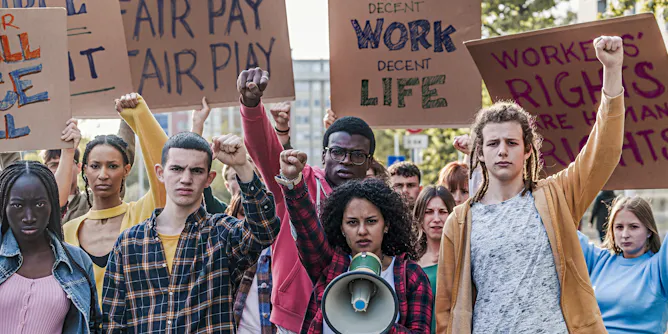
CEO pay often attracts more outrage than footballers’ record wages – what does this say about the value we place on different jobs and skills?
Articles on Wages
Displaying 61 - 80 of 261 articles

Official data confirms what we are all experiencing - the cost of most things has jumped. So how is this measured and where are the biggest increases?

The Bank of England has just raised rates for the 14th time in a row to 5.25%.

Adjusted for inflation, Australians are being paid less than they were in 2020. These 4 charts show what’s changed in how we work – and the growing gap between your pay and what you can afford to buy.

Unless we boost productivity, wages growth could sink back to 2-3%. The Productivity Commission has some good solutions – and we’d argue redesigning the Stage 3 tax cuts should be on the list too.

Change and communication across the food supply chain will help stop prices from rising further.

My research shows that UK price rises are likely to have been caused by high profits, falling wages and weak production over decades
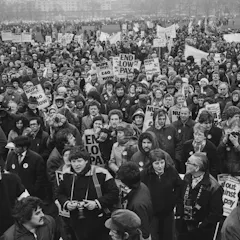
From the late 1960s to the early 1980s, more unionised workforces from Europe to Aotearoa New Zealand fought hard to keep wages abreast with inflation. But it’s unlikely that could happen now.

The Fed raised rates by a quarter-point – less aggressive than had been expected before the current banking crisis, but signaling inflation is still its focus.

Investment in UK childcare should go towards better pay and conditions for workers. This could also help increase availability and affordability for parents.

Concerns about the credibility of pay review bodies could boost collective bargaining on worker pay.

A four-day week boosts productivity and employee wellbeing, but it should be carefully planned and tailored to individual company needs.

Summing up the gender pay gap in one number hides how inequality affects different groups of women.

For average Australians, the stagnation of real wages has been the most tangible manifestation of the failure of neoliberalism. Yet “wages” are only mentioned four times in Chalmers’ Monthly essay.

Teacher wages have risen little over the past few decades when adjusted for inflation.

Recent price rises are not due to higher wages but supply-side issues including the war in Ukraine, the COVID pandemic and Brexit.
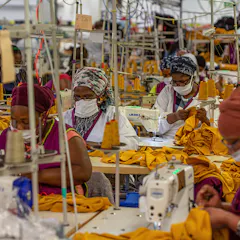
South Africa’s world-leading wage inequality has as much to do with what bosses are doing as it does with how educated or experienced workers are.
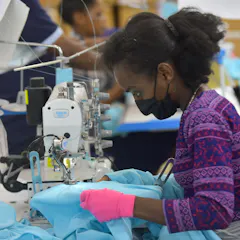
Manufacturing firms exposed to increased Chinese competition employed fewer female production workers than men.

With real wages in many countries having been stagnant for years, the inflation surge has brought unions back to life.

A new historical study looking at migration into the US suggests restricting low-skilled immigration boosts low-skilled wages in the short term – but ends up hurting local workers’ wages longer-term.
Top contributors
-

Professorial Fellow, University of Canberra
-
Scientia Professor of Economics, UNSW
-
Senior lecturer, Canberra School of Government, University of Canberra
-
Visiting Fellow, Crawford School of Public Policy, Australian National University
-
Professor of Management, Co-Director of the MIT Sloan Institute for Work and Employment Research, MIT Sloan School of Management
-
Emeritus Professor of Economics (Griffith University) and Teaching Associate (University of Queensland), Griffith University
-
Associate Professor in Economics, Queensland University of Technology
-
Director, Centre of Policy Studies, Victoria University
-
Pro Vice-Chancellor, Climate, Sustainability and Inequality and Director, Southern Centre for Inequality Studies, University of the Witwatersrand
-
Professor of Economics and Political Economy, University of Leeds
-
Associate Professor of Business, Boston University
-
Professor in Working Life, Discipline of Business Information Systems, University of Sydney Business School, University of Sydney
-
Professor of Law, The University of Texas at Austin
-
Vice-Chancellor’s Fellow, University of Tasmania
-
Professor of Work and Labour Market Policy, University of Sydney