
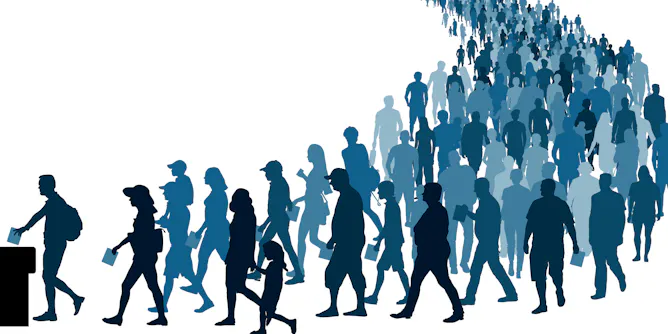
Britain is once again going to the polls and encouraging people to vote may be as important as asking them to vote for a particular party.
Articles on Voter turnout
Displaying 61 - 80 of 96 articles
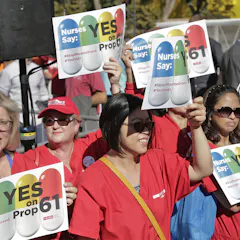
Citizens voting directly on policy seems like a good idea. But that led to the Brexit mess in the UK. In the US, two scholars say direct democracy deepens distrust of politics and government.

The idea that a small payment could motivate more people to vote resurfaces regularly, but this ignores evidence that monetary incentives to induce pro-social behaviour can be counterproductive.

The failure of the 2018 census to get a good response rate highlights the need for multiple voting options to increase participation, particularly of Māori.
Encouraging people to vote involves changing the discourse. Guilt trips are ineffective.
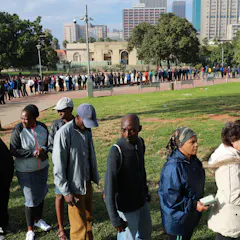
To a mathematician the idea of, “voter turnout” is not a very precise term. What exactly does it mean? And how is it calculated?
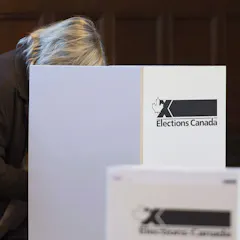
About one-third of Canadians don’t bother to vote in federal elections. Many people cite “everyday life issues,” like the time it takes to vote, as reasons why they don’t participate.
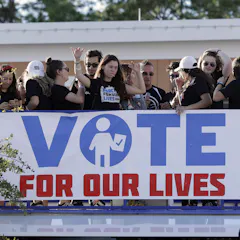
Young people have the right, the skills and the numbers to make a difference in politics and society in North America and beyond. Their voices, energy and vision contribute to a healthy democracy.
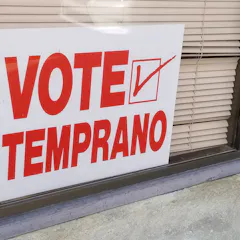
The Voting Rights Act offers language assistance for voters with limited English proficiency. What can we learn from an Idaho county’s experience offering foreign-language ballots?
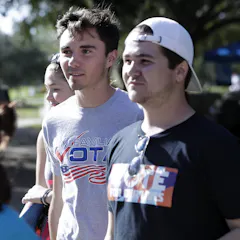
A survey shows the newest generation on the voting block is extremely cynical, and that drove record numbers of them out to vote.
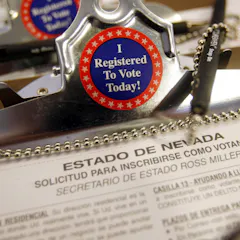
Latinos are less likely than other Americans to vote in November, new polling shows. Here’s why Democrats shouldn’t expect a Latino blue wave to swing the midterms in their favor.
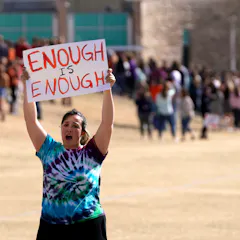
A survey shows the newest generation on the voting block is extremely cynical, and that’s actually driving high levels of political engagement.
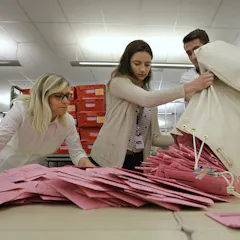
There are different ballots, voting machines, registration and eligibility requirements and procedures for counting votes across the country. That’s a recipe for occasional confusion and miscounts.
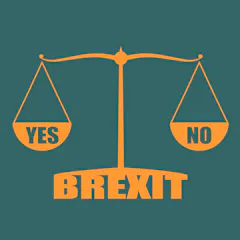
Education, turnout, jobs and gender were key factors – but would they have altered the result?
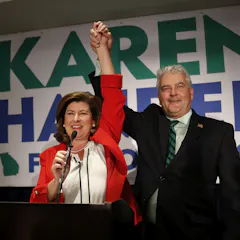
But there’s little evidence the high spending changed any minds, says a political scientist who lives in the district.
It’s time South Africa stopped stereotyping its young people as being disinterested and morally bankrupt and started engaging them.
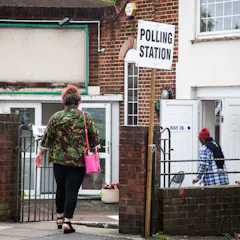
Yes, young voters’ choices had an impact, but not a decisive one.
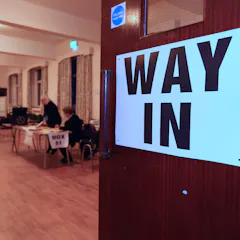
They’ve been deeply affected by austerity, so it’s more important than ever for people with learning disabilities to have their say on June 8.
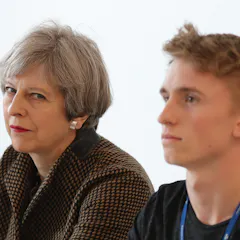
We asked two experts in youth politics to check the claim that has been circulating on social media.
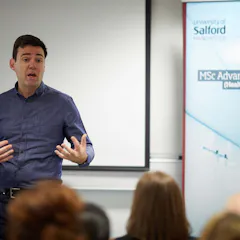
What we can learn from the election of the new ‘metro mayors’ and why there are reasons to be cheerful.
Top contributors
-

Professor American Politics, Political Science, Georgia State University
-
Full Professor, Department of Political Science, Université de Montréal
-
Assistant professor of Political Science, Georgia State University
-
Chief Policy Fellow, University of Leeds
-
Associate Professor of Public Policy, Politics, and Education, University of Virginia
-
Fellow, Center for Congressional and Presidential Studies, American University
-
Director, Center for Information and Research on Civic Learning and Engagement in the Jonathan M. Tisch College of Civic Life, Tufts University
-
Professor, Department of Government, University of Essex
-
Vice Provost for Graduate Studies and Dean of the Graduate Division, Professor of Education, University of California, Berkeley
-
Senior Lecturer in Politics, University of Exeter
-
Senior Lecturer in Politics, York St John University
-
Professor of Government and Director of the Center for Congressional and Presidential Studies, American University School of Public Affairs
-
Professor of Politics and Public Policy, University of East Anglia
-
Professor of Government, American University School of Public Affairs
-
Professor of Politics, Royal Holloway, University of London