
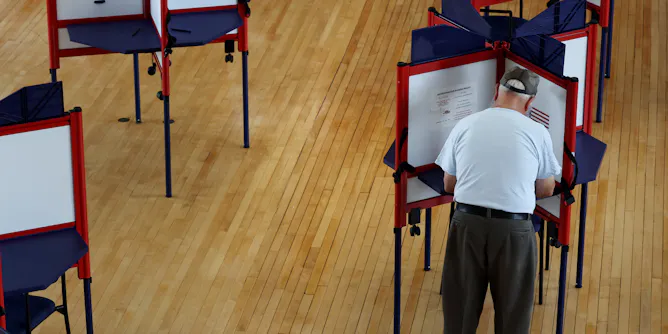
The balance of US political power is at stake in the 2022 midterm elections. Voters have several ways to cast their ballots – and the majority of Americans are choosing one of them.
Articles on Voter turnout
Displaying 41 - 60 of 96 articles
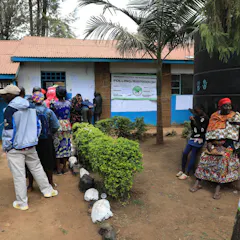
When people fail to exercise their right to vote, it increases the likelihood of political extremism and the pursuit of narrow interests.
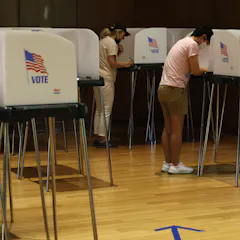
Have these officials used their authority to interfere with America’s democratic process?
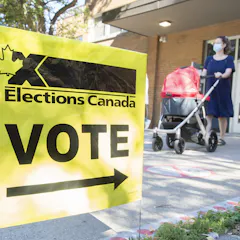
Many factors affect the decision of whether or not to vote in an election: the decision is mostly about motivation, interest in politics and sense of duty.

A study of 3,000 companies found a correlation between local ‘social capital’ – which measures such variables as voter turnout and census response rates – and more women on corporate boards.
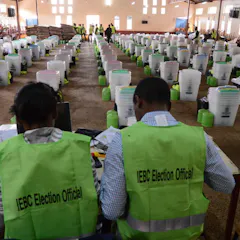
Electoral malpractice can be justified by some as preventing a greater injustice to the individual, community or nation.
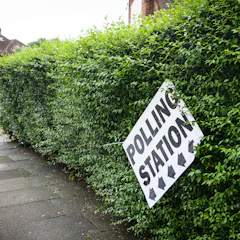
Across the world, people have become less likely to take part in elections in recent decades.
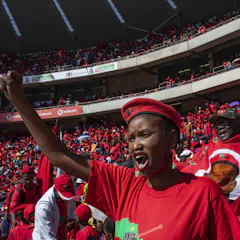
It’s not convincing to argue that the political parties would not be able to campaign as they have done in the past.
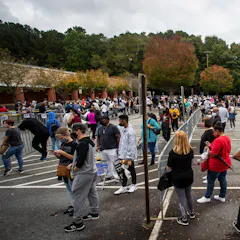
With Democratic voters already packed into a small number of districts, reducing voter turnout won’t really lower the chances of Democrats winning – or help Republicans win.
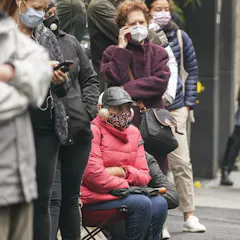
Democracy only works well when citizens participate in the democratic process and participate equally. But in the United States, lack of trust is eroding democracy’s promise.
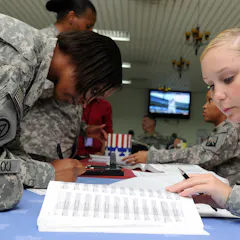
About 2.9 million eligible American voters live abroad, including members of the military and embassy staffers. Just 5% of them cast their ballots in 2018.
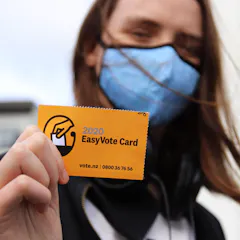
With more votes cast before election day than on it, late strategic voting could make all the difference.
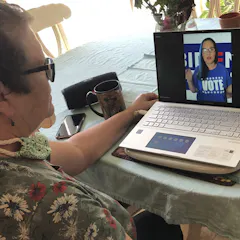
Strangers used to call and stop by; now the most effective way to get people to vote involves getting groups of friends and neighbors to pressure each other to participate in democracy.
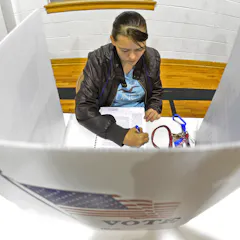
An analysis of 55 countries shows voter turnout is lowest among women, the young, poor voters and those with less education.
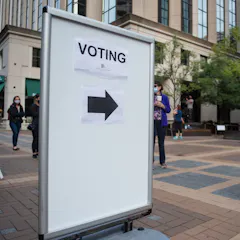
‘I don’t like the candidates,’ ‘I don’t know enough to make a decision,’ ‘I don’t want to give this election legitimacy’ – an ethicist takes on nonvoters.
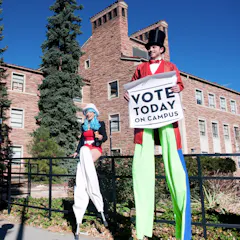
Researchers examined the voting behavior of 5,762 students at 120 colleges and universities. Two groups stood out as an untapped electoral resource – if the candidates can turn out Gen Z.
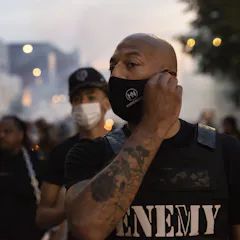
By picking Kamala Harris, a Black running mate, Biden may have brought younger Black Americans, who now comprise a critical set of swing voters, over to his side.
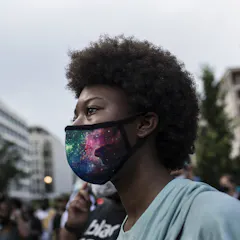
It’s a myth that Black voters represent monolithic support for Democrats. A recent survey shows that young Black Americans in swing states have big reservations about Joe Biden, Democrats and voting.
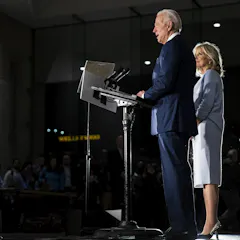
It is becoming clear that this election season, the Democratic Party will likely adopt a center-left agenda.
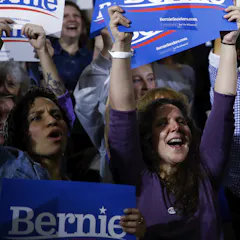
Americans under 30 are far less likely to vote than older citizens. Stepping up civics instruction might help change that, a scholar explains.
Top contributors
-

Professor American Politics, Political Science, Georgia State University
-
Full Professor, Department of Political Science, Université de Montréal
-
Assistant professor of Political Science, Georgia State University
-
Chief Policy Fellow, University of Leeds
-
Associate Professor of Public Policy, Politics, and Education, University of Virginia
-
Fellow, Center for Congressional and Presidential Studies, American University
-
Director, Center for Information and Research on Civic Learning and Engagement in the Jonathan M. Tisch College of Civic Life, Tufts University
-
Professor, Department of Government, University of Essex
-
Vice Provost for Graduate Studies and Dean of the Graduate Division, Professor of Education, University of California, Berkeley
-
Senior Lecturer in Politics, University of Exeter
-
Senior Lecturer in Politics, York St John University
-
Professor of Government and Director of the Center for Congressional and Presidential Studies, American University School of Public Affairs
-
Professor of Politics and Public Policy, University of East Anglia
-
Professor of Government, American University School of Public Affairs
-
Professor of Politics, Royal Holloway, University of London