

Some African families see orphan-focused NGOs as a path to education and improved lives.
Articles on Voluntourism
Displaying all articles

Today’s short-term missionaries continue a long legacy, but in a very different way.
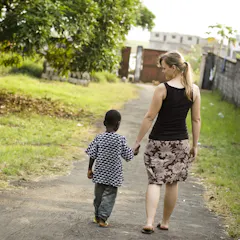
Rather than protecting some of the world’s most vulnerable children, many of Africa’s orphanages are exploiting them.
A winning medical school application requires stories about observing clinical care. But applicants’ quests to get clinical experiences have unintended and surprisingly far-reaching consequences.
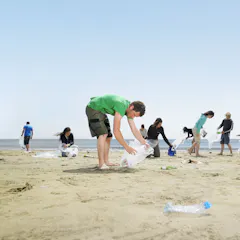
Volunteer tourism, or ‘voluntourism’, is on the way back as borders open. But critics say the largely unregulated industry is overdue for change.

The “voluntourism” business promoted by WE Charity conflicts with efforts to decolonize global health and international development.
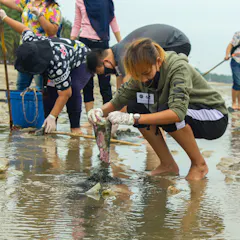
With a dramatic drop in bookings, volunteer tourism projects in developing countries have been hit hard, affecting local economies which depend heavily on volunteer spending and help.
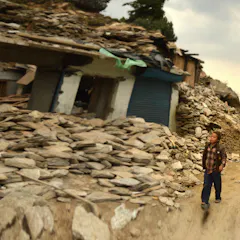
It isn’t always good advice for tourists to stay away. Often their money can help, as well as their skills.

Volunteer tourism is often criticised for focusing on profit and volunteer experience. But improving monitoring and evaluation and putting host communities in charge can make it more sustainable.
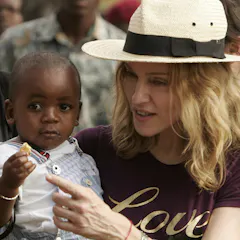
Voluntourists’ ability to change systems, alleviate poverty or provide support for vulnerable children is limited. They don’t have the skills and can perpetuate patronising and unhelpful ideas.
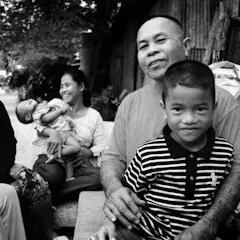
Good intentions, money and the desire to help are essential ingredients for the orphanage tourism industry. But tourists end up becoming agents in the exploitation of children.

The ONS says less Brits are volunteering - but the truth is they’re doing it in different ways.
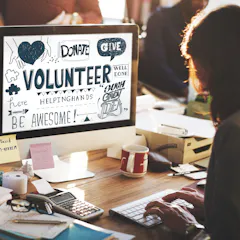
It’s time to recognise the difference between ‘deep’ and ‘shallow’ volunteering.
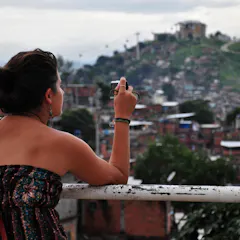
Slum tourism is broadly rejected as morally dubious and voyeuristic. But we should take a second look.
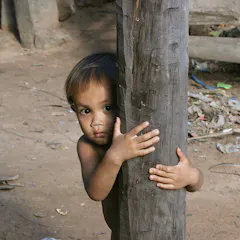
Australian private schools are increasingly taking their senior students to volunteer in orphanages, but they’re doing more harm than good.
Top contributors
-

Associate Professor of Honors and African History, University of Oklahoma
-
Associate Professor in Organisation Studies, University of Leicester
-
Lecturer in Marketing, Edinburgh Napier University
-
Adjunct Professor, School of Nursing and Midwifery, Western Sydney University
-
PhD Researcher in Sociology, Bangor University
-
Professor of Sustainable Tourism and Heritage, Western Sydney University
-
Postgraduate Researcher in Sustainable Tourism, Monash University
-
Associate Lecturer, RMIT School of Global, Urban and Social Studies, RMIT University
-
Assistant Professor of Anthropology, University of North Carolina – Charlotte
-
Associate Professor, Southern Cross University
-
Lecturer, Tourism Programmes, St Mary's University, Twickenham
-
Founder / Principal Consultant, Alto Global Consulting. Coordinator, ReThink Orphanages, Deakin University
-
Senior Lecturer in International Tourism Management, University of Strathclyde
-
Professor, Departments of Anthropology and Obstetrics & Gynecology, University of Wisconsin-Madison
-
Senior Research and Teaching Fellow, School of Health, Te Herenga Waka — Victoria University of Wellington